
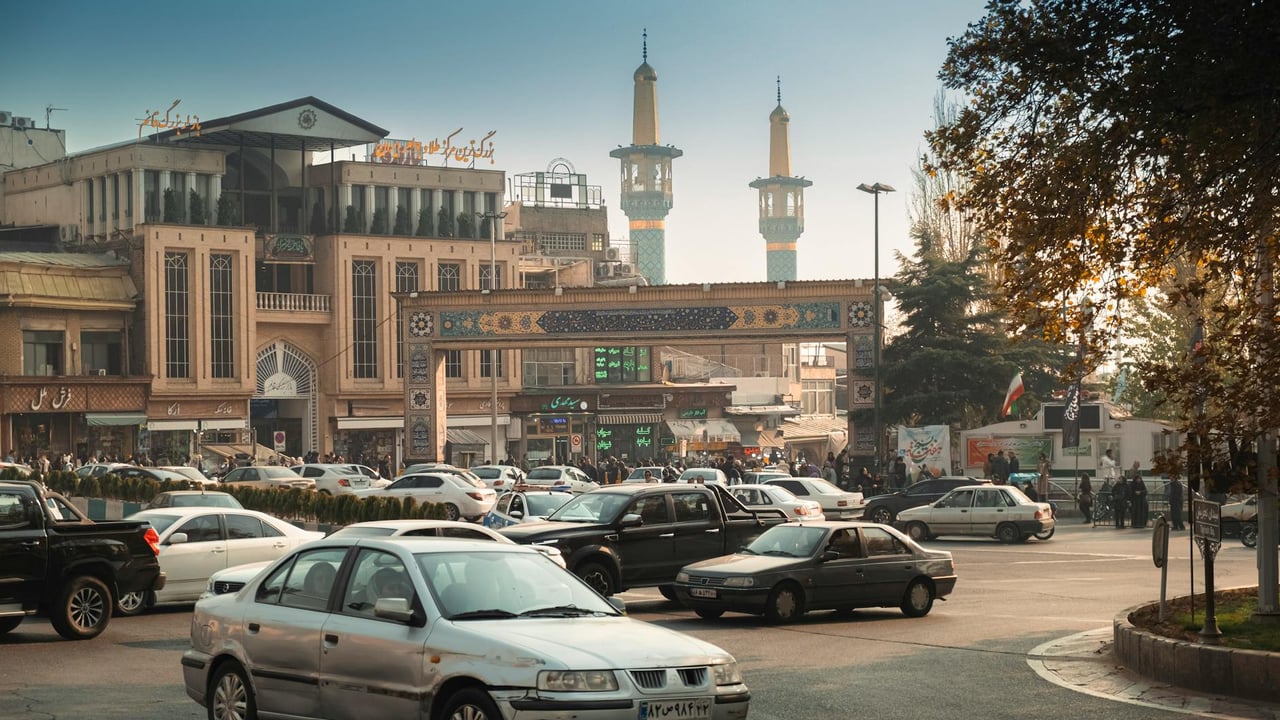

Walking Tehran’s avenues in late January gives a misleading impression of calm: traffic snarls, crowded bazaars and stocked shops suggest a city going about its business. Yet the scars of recent violence — bombed-out ruins from the 2025 “12-day war”, shattered storefronts from mass protests, and makeshift repairs — are constant visual reminders that normalcy is fragile and contested.
Conversations with Iranians reveal a widespread, visceral fear of a U.S. military strike. The fear is not abstract: Washington and Tel Aviv were openly supportive of the 2025 protests, Israeli intelligence claimed on-the-ground ties to demonstrators, and U.S. President Donald Trump has repeatedly threatened force. What began in rhetoric as backing for dissidents has hardened into a posture aimed at rolling back Iran’s regional influence and curbing its nuclear ambitions.
Mr. Trump’s public statements in late January combined menacing military signals with a call to negotiate. He portrayed a sizeable U.S. naval presence moving toward Iranian waters and warned that any renewed attack could be far harsher than the confrontation of 2025, while simultaneously urging Tehran to accept a “fair” deal and abandon nuclear weapons development. The shift in emphasis — from ostensible support for protesters to direct concern over nuclear threat — underscores a transactional, pressure-driven U.S. strategy.
Washington’s saber-rattling has sharpened fissures inside Iran. The economy is deteriorating rapidly and public patience is thin: the rial has plunged in value since the author’s prior visit in 2016, and many Iranians describe lives that have gotten materially worse. The latest round of unrest and the memory of the 12-day conflict have accelerated calls for change among both citizens and some officials, but they have also left policymakers with a stark choice: rally the public around resistance or pursue compromises that may placate external pressure but risk domestic backlash.
Across the region, capitals that would rather not see a new regional war have moved to mediate. Turkey, Saudi Arabia and Qatar have all pushed for talks between Washington and Tehran, and Ankara has even proposed a trilateral summit. These efforts reflect a sober recognition that a large-scale U.S. strike — or full Iranian retaliation — would quickly spill beyond bilateral confrontation and destabilise fragile neighbourhood balances.
The immediate danger is clear. Iran has shown it can absorb and retaliate after a short conflict, but a renewed, larger engagement would exact far greater costs on Iran and on the wider region. For Tehran, the calculus is agonising: resist and risk devastation, or negotiate under terms that could be perceived as compromising national sovereignty and fatally constraining its strategic options.
For external actors the choices are consequential. A conflict would disrupt energy markets, amplify displacement and humanitarian needs, and test the limits of regional and global diplomacy. The fracture between those seeking regime change in Tehran and those prioritising stability means that mediation will be painstaking and politically fraught. Whether Iran’s leadership can convert the threat into a rallying call for national cohesion depends on offering a credible horizon of domestic reform and economic relief — not merely exhortations of resistance.
Tehran now sits at a tactical and symbolic threshold: the streets can still appear ordinary, but beneath that surface lies a country grappling with economic hardship, political fracture and the prospect of punitive external force. The next moves by Tehran, Washington and regional mediators will determine whether this moment becomes a negotiated de‑escalation or the opening act of a far more damaging confrontation.