

A Fujian mining group has stunned markets by spending roughly RMB 28 billion to acquire a single gold holding, adding about 183 tonnes to its reserves and sending its market value sharply higher. That company, Zijin Mining, has transformed from a bankrupt county operation into one of China’s largest metals groups over three decades, a meteoric rise closely identified with its founder, Chen Jinghe.
Chen’s story is rugged and idiosyncratic. A member of the first cohort of university entrants after China restored the gaokao, he was dispatched to Zijin Mountain to search for ore and spent more than a decade convinced he had found a major deposit. In 1992 he abandoned a secure state post to take over a tiny, cash‑starved local outfit—76 employees, assets of just RMB 3.5 million and years when wages could not be paid.
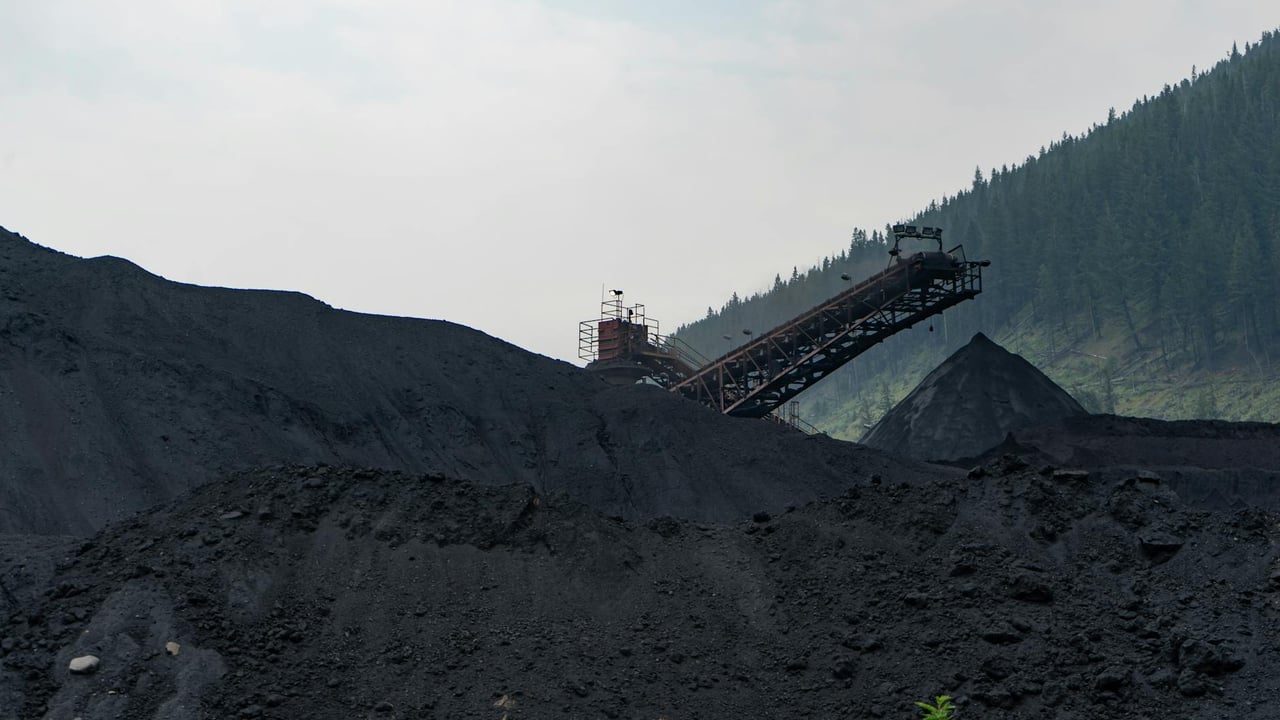
Early technical gains were modest but decisive. Through persistent exploration Chen identified tens of tonnes of gold and then fought to keep the resource in Chinese hands when a foreign bidder offered to take control. He persuaded Beijing that a domestic development plan could yield far higher profits, and then set about industrialising extraction: extensive rock blasting to flatten numerous small peaks and an improved heap‑leach process that cut costs and boosted recovery.
Having proved that operational innovation could unlock value, Chen shifted attention to capital and scale. He pushed through corporatisation in an era when many state firms resisted change, persuaded private backers to invest and listed overseas to raise funds. An early investor who put in a few dozen million yuan later saw that stake appreciate into the hundreds of millions as Zijin expanded.
Zijin’s model was opportunistic and often contrarian. It bought projects dismissed by others—so‑called ‘cigar butts’—and invested in technical fixes rather than paying top dollar for already perfected assets. When commodity prices plunged, Chen reversed course and invested heavily abroad, buying mines in Australia, Africa, Russia and Latin America. The result is a sprawling portfolio: the company now claims gold and copper holdings that constitute unusually large proportions of China’s domestic reserves and holds extensive new‑energy mineral interests such as lithium and salt‑lake brine rights.
Those asset bets have paid off in the past year as commodity prices rose. Zijin’s market capitalisation increased by more than RMB 300 billion in two months, placing it among the largest listed Chinese mining firms. Yet Chen’s personal stake is comparatively modest: he holds roughly 0.5% of the company’s shares after gifting a large block to his son. That mismatch—an outsized corporate footprint with a relatively small founder holding—frames both the political and financial balance of the enterprise.
Zijin’s trajectory encapsulates several broader dynamics in China’s resource sector: the interplay of state and private initiative, the value of technical problem‑solving over headline purchases, and the strategic premium placed on securing overseas supplies for metals critical to both traditional industry and the energy transition. It also highlights the risks that accompany rapid internationalisation—geopolitical exposure, operational setbacks abroad and the management challenges of integrating a global portfolio built largely through opportunistic deals.