

A Panama Supreme Court decision that declared concession renewals for two Panama port terminals operated by Hutchison Ports unconstitutional has injected fresh uncertainty into a multibillion‑dollar sale of port assets controlled by Li Ka‑shing’s conglomerate. The Hong Kong government on January 30 registered strong dissatisfaction and warned that coercive or unreasonable measures by foreign governments damage the legal rights of Hong Kong businesses, investor confidence and bilateral relations.
The ruling goes to the heart of a deal CK Hutchison Holdings announced on March 4, 2025: the proposed transfer of 43 port assets in 23 countries to a consortium led by US asset manager BlackRock, with potential participation from China’s COSCO Shipping and other strategic investors. Hutchison has already said it will not complete any transaction without required regulatory approvals and that it and other parties may reserve their legal rights after the Panama court’s decision.
China’s foreign ministry spokesman reiterated Beijing’s support for Chinese firms and said authorities would take all necessary measures to defend legitimate rights and interests. Hong Kong’s government explicitly told local companies to reassess their current and future investments in Panama, underscoring the diplomatic and commercial strains the ruling has created.
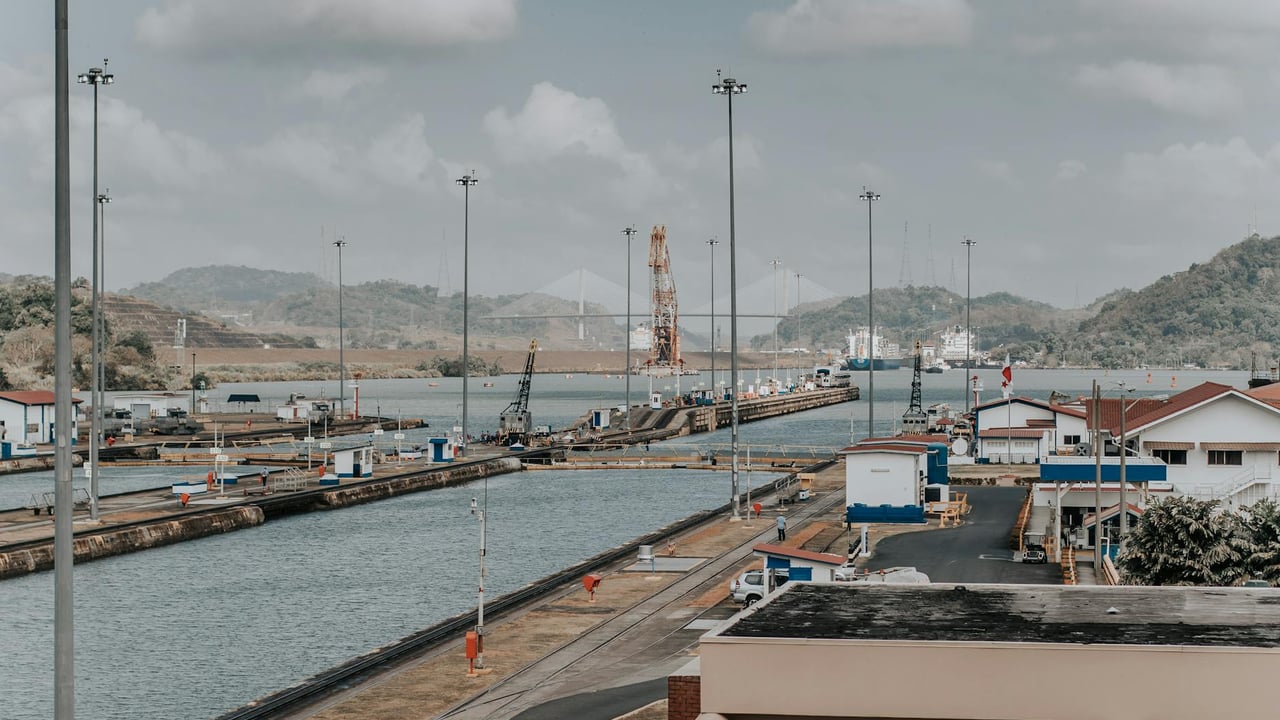
Markets reacted swiftly. CK Hutchison’s shares plunged intraday on January 30, 2026, falling as much as 5% and closing down 4.6%, as investors priced in the prospect that two strategically located terminals at either end of the Panama Canal could complicate or reduce the value of the sale package.
The case highlights wider tensions in the governance of international infrastructure assets. Ports are not merely commercial conveniences; they are strategic nodes in global trade and supply chains. Judicial or political reversals of long‑standing concessions in jurisdictions like Panama — which controls the canal connecting Atlantic and Pacific shipping lanes — can reverberate through shipping logistics, insurance, financing terms and sovereign relations.
For Hutchison, the immediate questions are legal and commercial. Will buyers demand price adjustments or walk away? Can the company obtain new approvals or win appeals? The longer term issue is reputational and systemic: investors and corporations will now reassess jurisdictional risk in Latin America and elsewhere, and governments will weigh the diplomatic cost of taking actions that foreign stakeholders deem to violate contract stability.
The episode also underscores the geopolitics of infrastructure transactions. The potential buyer pool spans US financial capital and Chinese state‑linked shipping interests; that mix already attracted regulatory scrutiny and strategic interest. A legal reversal in Panama risks turning a commercial asset sale into a broader contest over control of critical maritime gateways and the rules that govern them.
Neither the Panama court ruling nor the Hong Kong and Beijing responses end the matter. Litigation, diplomatic engagement and commercial renegotiations are likely to follow. For global investors, the case serves as a reminder that the legal security of long‑term concessions, and the political context that underpins them, are material to valuations of infrastructure assets and to decisions over where to deploy capital.