
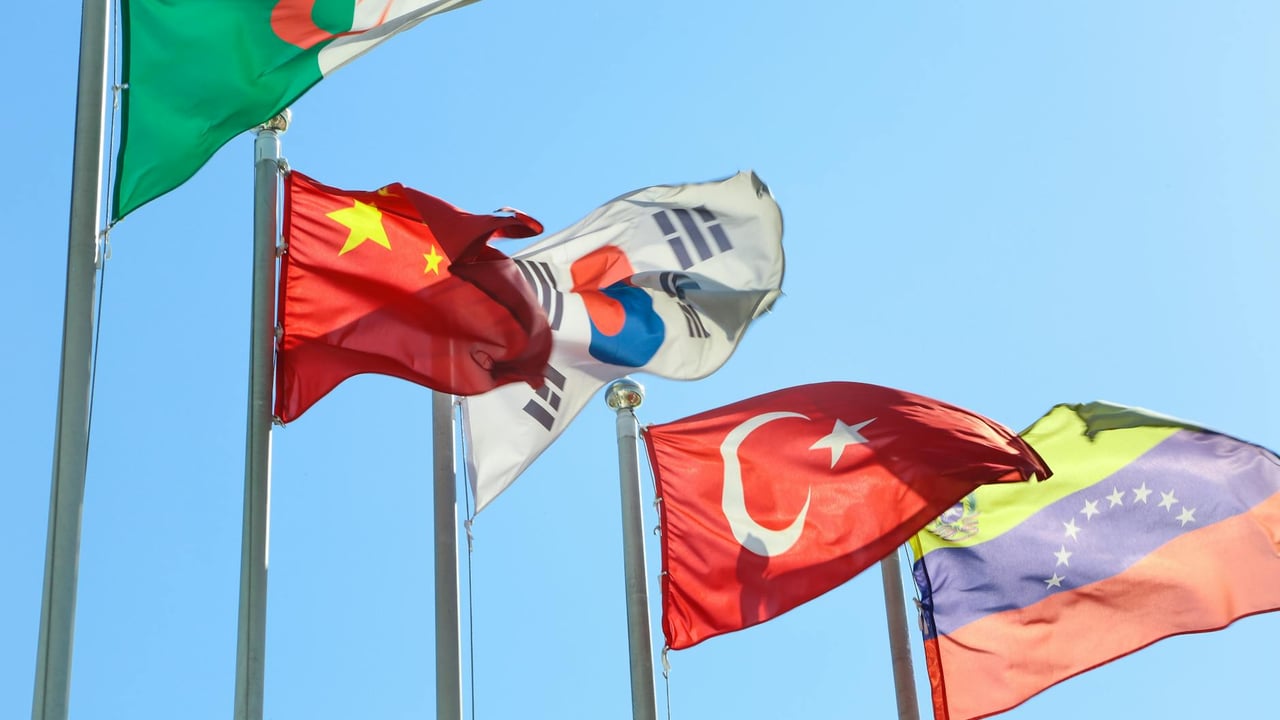

China has successfully launched Algeria Remote Sensing Satellite-3 B, state broadcaster CCTV reported, marking another milestone in bilateral space cooperation between Beijing and Algiers. The brief official notice did not provide technical details beyond confirming the satellite’s deployment, but the announcement underscores a continuing pattern of Chinese-built and -launched spacecraft for foreign partners.
Remote-sensing satellites like ARS3-B collect imagery and environmental data used for agriculture, natural-resource management, disaster relief and urban planning. For Algeria, expanded earth-observation capacity can improve crop monitoring, water and mineral resource mapping, and responses to floods, fires or desertification — practical capabilities that typically drive demand for such systems.
The designation “B” suggests the satellite is part of a paired or phased programme, a configuration that boosts revisit frequency and resilience for users relying on timely imagery. Even without technical specifications publicly released in the brief notice, the operational effect is clear: more imagery and more control over mapping and monitoring for Algerian authorities and their civilian agencies.
Beyond immediate utility, the launch fits a broader strategic trajectory. Over the past decade China has become a major supplier of satellites and launch services to developing countries, offering integrated packages that bundle satellite manufacturing, launch and ground-station support. That model reduces barriers to entry for countries with nascent space programmes and advances Beijing’s influence through practical cooperation.
China’s export of space systems to African partners carries economic, diplomatic and security implications. Commercially, Chinese firms compete aggressively on cost and turnkey services against European and American providers. Diplomatically, satellite programmes are a tangible form of technology cooperation that can cement bilateral ties. Strategically, greater access to high-resolution imagery raises questions about dual-use applications; while much of the data supports civilian needs, the same capabilities can be adapted for surveillance and border monitoring.
For international observers, the key follow-ups will be whether Algeria makes imagery publicly available or restricts access to government use, what ground infrastructure and data-sharing arrangements accompany the satellite, and whether further launches expand a national constellation. The short official bulletin signals success, but the broader story lies in how newly acquired space capabilities are integrated into Algeria’s civil, economic and security planning.