Thousands of Danish Veterans Stage Silent March to Protest Trump’s Dismissal of Allied Troops

On 31 January, thousands of Danish veterans and civilians held a silent march to the U.S. embassy in Copenhagen to protest President Trump’s recent remarks belittling NATO allies’ soldiers. The demonstration, led by former service members, signals popular offence in a committed NATO state and highlights the diplomatic strain that hostile rhetoric can impose on alliance cohesion.

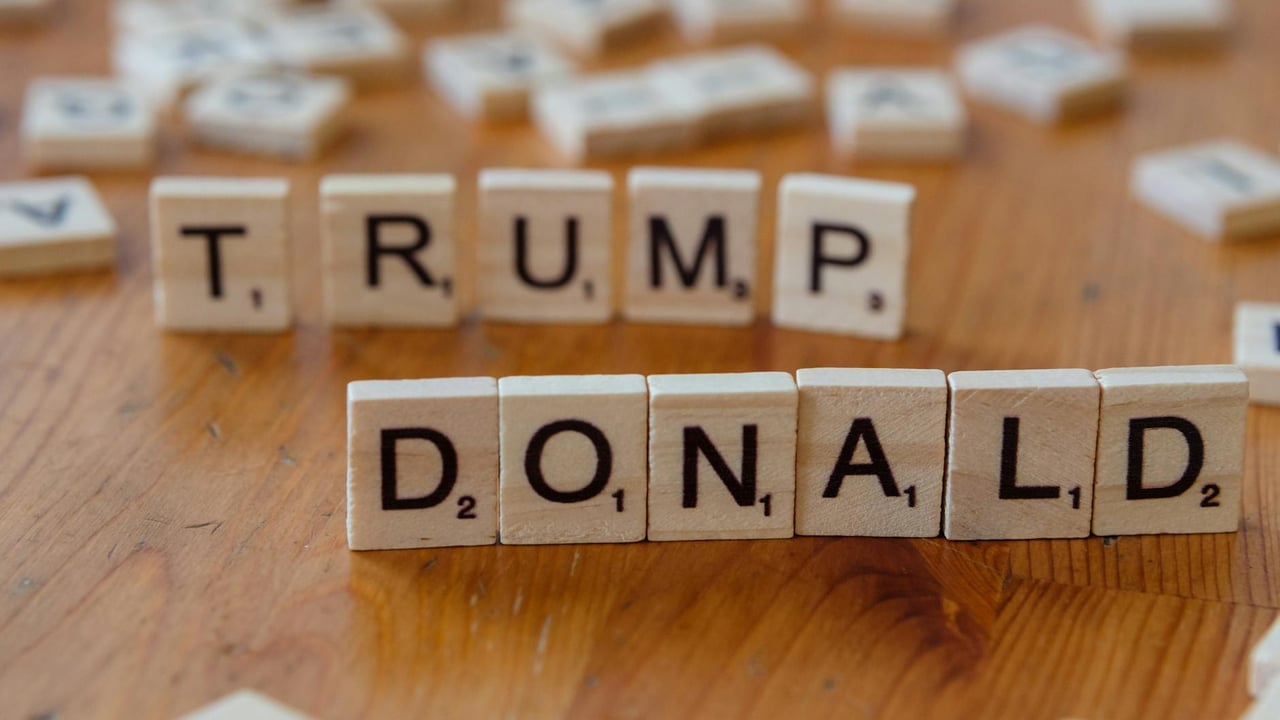
Close-up of Scrabble tiles spelling 'Donald Trump' on a wooden table.

Key Takeaways

  • 1On 31 January thousands of Danish veterans and citizens marched silently from Kastellet to the U.S. embassy in Copenhagen to protest remarks by President Trump disparaging NATO allies’ soldiers.
  • 2Protesters carried banners with messages such as “speechless,” placed Danish flags and flowers at the embassy, and included a prominent presence of former military personnel.
  • 3The demonstration underscores how presidential rhetoric can provoke public backlash in allied countries and create diplomatic embarrassment for the United States.
  • 4While unlikely to change defence cooperation immediately, such incidents can erode political trust, feed debates about European strategic autonomy, and complicate NATO coordination.

Editor's
Desk

Strategic Analysis

The Copenhagen protest matters because it illustrates how rhetoric from the United States — even when not accompanied by policy shifts — can inflict political damage on the transatlantic relationship. Denmark’s veterans are a credible constituency whose visible offence raises the domestic political cost for Danish leaders to shrug off the episode, increasing pressure for public responses and symbolic distancing. Repeated incidents of this kind could nudge European partners toward deeper defense cooperation within the EU and regional fora or force more transactional bargaining within NATO. For Washington, the strategic imperative is clear: preserving military interoperability and political trust among allies requires not only capabilities and commitments but also steady, respectful public diplomacy.

China Daily Brief Editorial
Strategic Insight
China Daily Brief

Thousands of Danish veterans and citizens gathered silently in Copenhagen on 31 January to protest recent remarks by U.S. President Donald Trump that demeaned soldiers from NATO partner countries. The demonstrators set off from the Kastellet fortress and marched to the U.S. embassy, carrying banners reading “speechless” and placing Danish flags and flowers outside the embassy entrance in a deliberately restrained show of displeasure.

The march was led by former service personnel and attracted a broad cross-section of the public, underscoring how remarks made in Washington can reverberate through societies that have long considered the United States a security partner. For many in Denmark, a country with longstanding NATO commitments and recent deployments alongside U.S. forces, the comments were not merely impolite; they were interpreted as an affront to the professionalism and sacrifices of those who have served.

Beyond the personal insult felt by veterans, the demonstration has diplomatic overtones. Public protests at an embassy are a visible signal of popular disquiet and create an uncomfortable spotlight for bilateral relations, even when formal ties remain robust. In an era when alliance cohesion depends as much on political trust as on capabilities, abrasive rhetoric from a U.S. president risks widening cracks in transatlantic solidarity and gives ammunition to domestic critics of both NATO and U.S. leadership.

The Copenhagen march is part of a wider pattern in which rhetoric from Washington shapes allied public opinion and political debates in partner capitals. While a single protest is unlikely to upend defence arrangements, repeated disparagement of allied forces could harden attitudes, encourage calls in Europe for greater strategic autonomy, and complicate coordination at NATO meetings. For a continent already navigating contested security priorities, the episode is a reminder that allied cohesion relies on mutual respect as well as shared interests.

Share Article

Related Articles

📰
No related articles found