Air Raids Across Gaza Kill at Least 28, Raising Stakes for a Fragile Ceasefire

Israeli airstrikes across Gaza on 31 January killed at least 28 people and prompted Palestinian factions to accuse Israel of breaching a ceasefire. The strikes threaten to destabilise fragile truces, worsen humanitarian conditions, and complicate mediation efforts by regional actors.

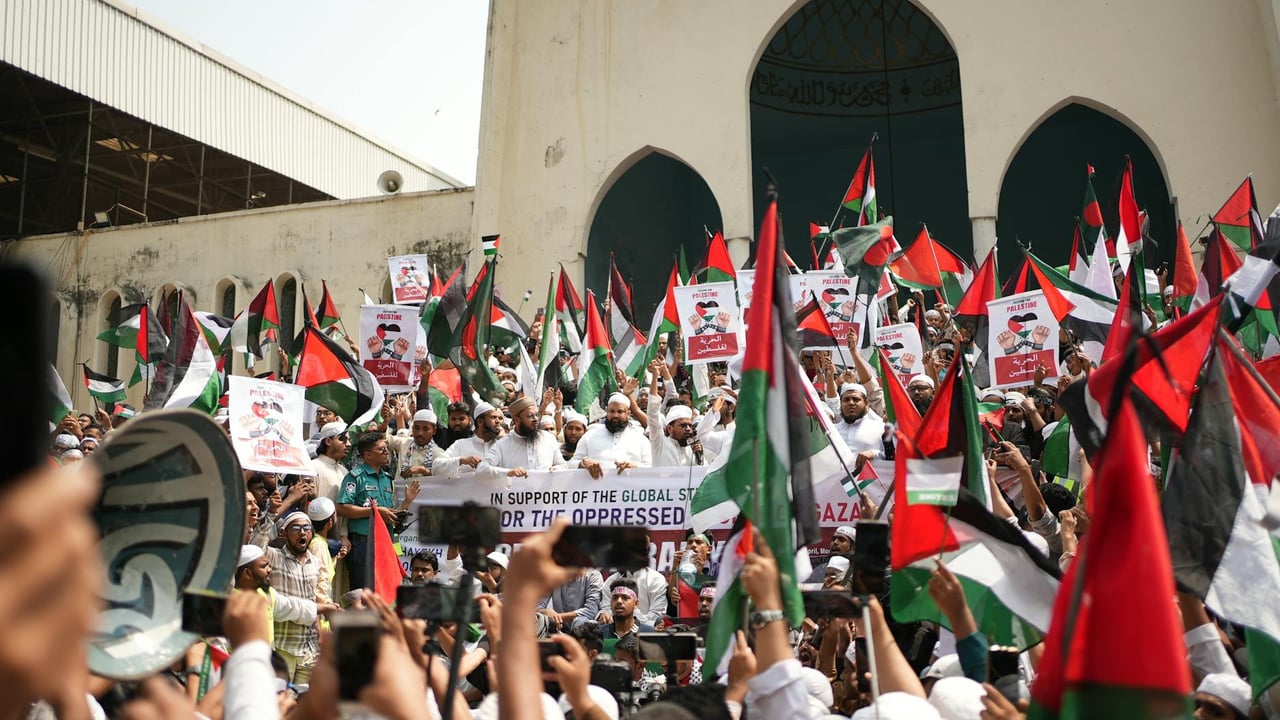
Large Pro-Palestinian demonstration in Dhaka with flags and banners supporting freedom and solidarity.

Key Takeaways

  • 1At least 28 people were killed in Israeli airstrikes across Gaza on 31 January, according to Palestinian civil defence.
  • 2Hamas and the PFLP condemned the strikes and accused Israel of deliberately violating a ceasefire agreement.
  • 3The attacks occurred amid ongoing, fragile ceasefire arrangements and risk undoing recent mediation efforts by Egypt, Qatar and others.
  • 4Civilian casualties and damage to infrastructure intensify humanitarian needs and could further restrict aid access.
  • 5Competing narratives from Gaza and Israel complicate verification and shape international diplomatic responses.

Editor's
Desk

Strategic Analysis

The latest strikes underscore the tenuousness of ceasefires in the Gaza context: short, localised lulls in violence have repeatedly unraveled when either side perceives a security breach or seeks to assert leverage. For Israel, periodic strikes are presented as necessary to deter or degrade militant capabilities; for Palestinian factions and civilians, they reinforce perceptions of disproportionate force and the fragility of protection guarantees. International mediators face a recurring dilemma — whether to press for immediate de‑escalation with limited guarantees, or to demand stronger, verifiable arrangements that Israel and armed groups may be reluctant to accept. Absent independent verification and durable mechanisms for enforcement, such episodes are likely to recur, perpetuating humanitarian distress and raising the risk of wider regional spillover if neighbouring states or militant groups feel compelled to respond.

China Daily Brief Editorial
Strategic Insight
China Daily Brief

Israeli airstrikes on multiple locations in the Gaza Strip on 31 January killed at least 28 people, Palestinian civil defence authorities said, deepening an already acute humanitarian emergency in the densely populated coastal territory. Hamas and the Popular Front for the Liberation of Palestine (PFLP) issued statements condemning the attacks and accusing Israel of deliberately undermining a ceasefire agreement.

Photographs from Gaza City showed residents sifting through rubble after the strikes, a visual reminder of the scale of destruction in an enclave where civilian infrastructure has been repeatedly damaged in cycles of fighting. Casualty figures from Gaza health and civil defence services are frequently the first available counts; they also feed into international concern about protection of civilians and access for humanitarian agencies.

The strikes come against a backdrop of intermittent truces and negotiations mediated by regional actors such as Egypt and Qatar, which have repeatedly sought to stabilise the situation and secure humanitarian corridors. Any resumption of sustained violence threatens to unpick fragile accords and complicate the work of mediators trying to prevent escalation and ensure aid reaches civilians.

The Israeli government’s account was not included in the initial Gaza statements; historically, Israel has framed such strikes as precision actions against militant targets that pose security threats. The competing narratives — one stressing counter‑terror operations, the other emphasising civilian harm and violation of ceasefires — are central to how events are reported and how international actors respond.

What happens next will matter beyond the immediate toll. Continued exchanges could prompt renewed displacement, further restrict humanitarian access, and increase pressure on external mediators and donor governments to intervene. Observers will be watching whether independent verification of civilian casualties can be obtained and how regional and international capitals react to either side’s claims.

Share Article

Related Articles

📰
No related articles found