
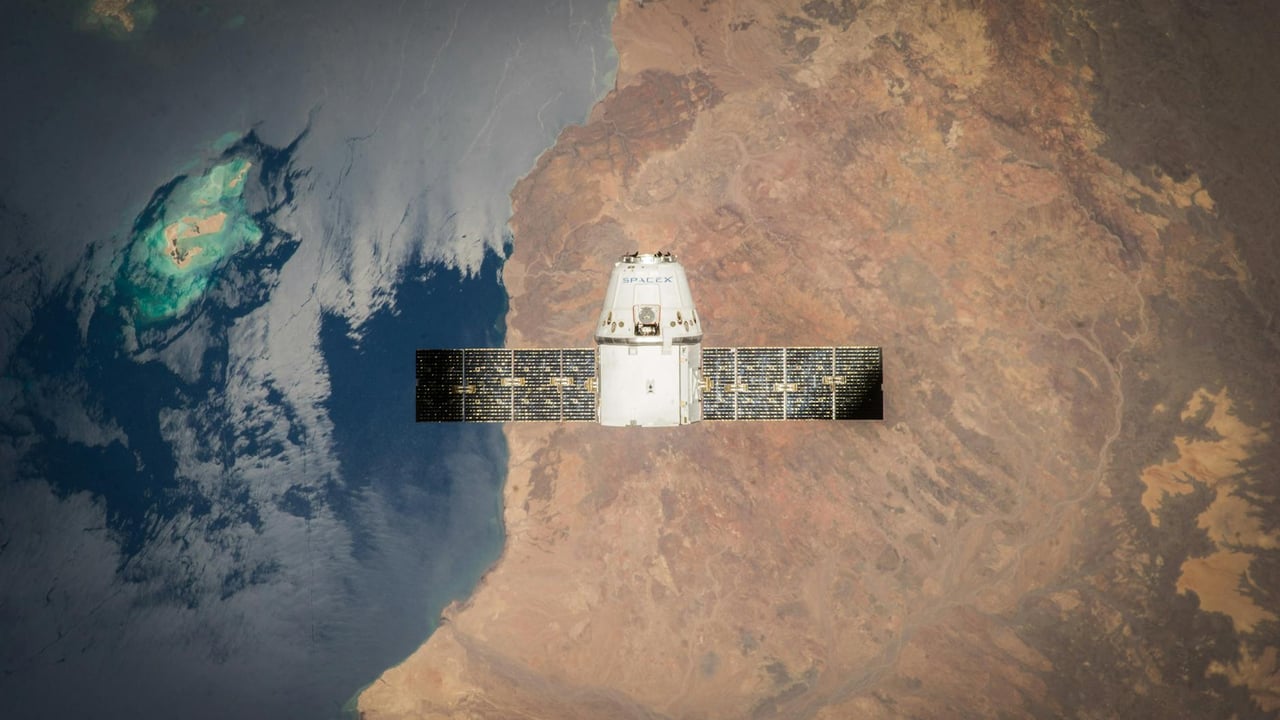

SpaceX has again raised the bar for commercial space ambitions by proposing the deployment of up to one million satellites to create a vast orbital "data centre". If realised, the plan would dwarf existing constellations and transform low Earth orbit from a carefully managed operational zone into an environment dominated by extremely dense commercial traffic.
The company pitches such a network as a way to deliver ubiquitous connectivity, low-latency cloud services and distributed computing at global scale. Economically, the model depends on economies of scale: mass-produced spacecraft, highly automated operations, and a launch cadence that can replenish, upgrade and expand the fleet continuously.
The technical and safety implications are profound. Orbital congestion would multiply tracking and collision-avoidance burdens for operators and militaries; the risk of cascades of debris — the so-called Kessler syndrome — would increase unless strict standards for deorbiting, shielding and traffic management are enforced. Astronomers and environmental advocates also warn of worsening light pollution and interference with ground-based observations.
Regulatory frameworks are already strained. Spectrum rights, orbital slots and cross-border licensing are handled by a patchwork of national regulators and the International Telecommunication Union; none were designed for near-real-time management of hundreds of thousands of active spacecraft. Governments that view large constellations as strategic assets will press for export controls, military carve-outs and bilateral agreements to protect sensitive capabilities.
The geopolitical fall-out could be as consequential as the technical challenges. A privately owned, near-global space data infrastructure raises questions about dual-use capabilities, dependence on providers headquartered in rival states, and the leverage that comes with controlling communications and real-time sensing. Competitors from other commercial players and state-backed programmes will adjust their strategies, accelerating a broader contest over space governance, resilience and norms.
For consumers and businesses the upside is tangible: better global broadband, new services enabled by edge processing in orbit, and redundancy for networks that today depend on undersea cables and terrestrial infrastructure. But those benefits will come with harder-to-quantify costs — to the orbital environment, to scientific research and to international stability — unless new norms, technical standards and enforceable international rules are put in place.