
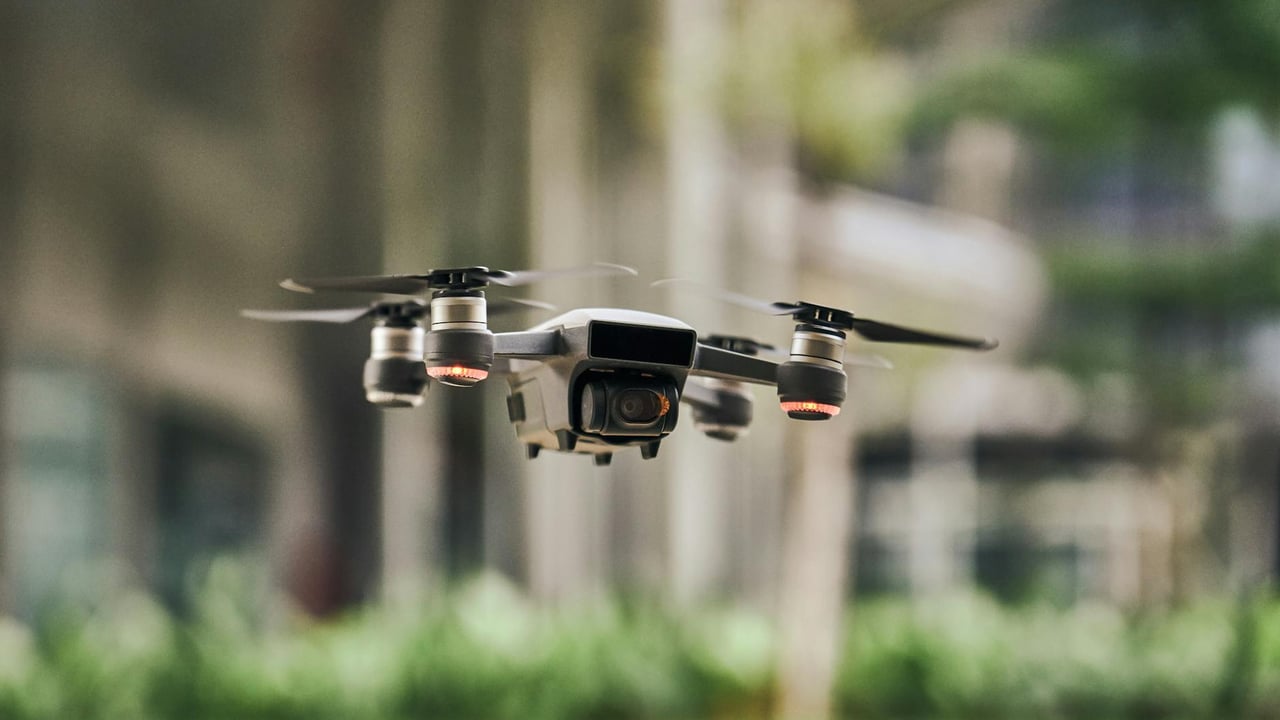

China Military Video Network published a report on 2 February 2026 saying Iran has added roughly one thousand strategic unmanned aerial vehicles to its operational formations. The announcement frames a dramatic scale-up of Tehran’s airborne capabilities and signals a shift from isolated demonstrations of drone warfare to what Tehran describes as integrated, combat-ready fleets.
Tehran’s drone programme has matured rapidly since the mid-2010s, producing a portfolio that ranges from small loitering munitions to larger long-endurance platforms. Iranian models — broadly grouped in public reporting under names such as Shahed and Mohajer — have been used in the region and exported to partners, and variants were seen on the battlefield in Ukraine in 2022. A declared inventory of about a thousand ‘‘strategic’’ UAVs would extend Iran’s ability to conduct surveillance, long-range strikes and saturation attacks across multiple theaters.
The operational significance is not simply numerical. Drones offer Iran a comparatively cheap, distributed way to project power, complicate adversary planning and impose asymmetric costs on more conventionally superior militaries. Massed loitering munitions can be employed in swarms to overwhelm air defences, while longer-range platforms provide persistent intelligence, surveillance and reconnaissance and can cue missile strikes.
For regional actors and the United States, the announced buildup intensifies existing security dilemmas. Israel, Gulf Arab states and U.S. forces have already adapted doctrine and procurement toward layered air-defence and electronic warfare measures; a tenfold increase in combat-capable UAVs would press those systems to evolve further. The prospect of drone exports to proxies and state partners would also deepen proliferation risks, enabling third parties to wage deniable, disruptive campaigns.
Practical constraints temper the headline figure. Fielding a thousand operational aircraft requires sustainment chains, trained crews, secure command-and-control architecture and spare parts — all challenging under sanctions regimes and logistical pressure. Nonetheless, even a partial realization of the announced number changes tactical calculations, since relatively low-cost UAVs can impose outsized operational burdens on adversaries.
Western and regional responses will likely combine hard- and soft-power approaches: accelerated procurement of interceptors and directed-energy systems, expanded electronic and cyber countermeasures, and intensified diplomatic and economic efforts to stem transfer networks. The announcement will also sharpen debate in capitals about deterrence, escalation management and the need for new norms or export controls specific to autonomous and loitering munitions.
The immediate takeaway is not only quantitative but strategic: Iran is doubling down on an asymmetric path that leverages unmanned systems to compensate for conventional limitations. That course will complicate crisis stability across the Middle East, increase the tempo of militarized incidents at sea and along borders, and force regional and global actors to invest in capabilities that blunt the operational advantages of massed drones.