
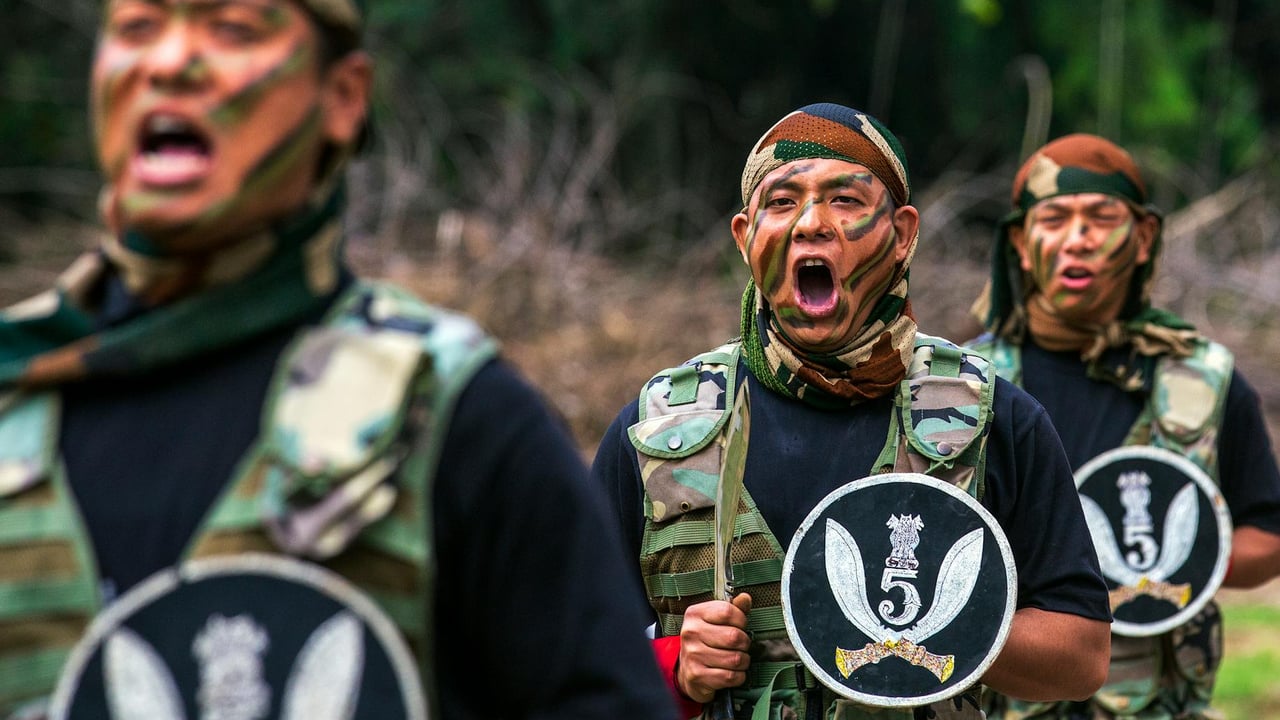

A reporter embedded with frontline units along China’s eastern coast witnessed a day-to-day rhythm shaped by constant alertness and rapid-response drills. Soldiers and sailors ran through serialised procedures — from weapons checks and communications drills to simulated interception and coastal defence manoeuvres — under an atmosphere emphasising speed, precision and an uncompromising deterrent message: "If he dares to come, don't expect to go back." The account frames these routines as practical training and political signalling rolled into one, intended for both domestic audiences and external rivals monitoring PLA behaviour.
The units observed combined land, sea and air elements in coordinated readiness exercises, with emphasis on integrated firepower and short-notice mobilisation. Patrols maintained persistent observation of key littoral approaches, and command posts practised rapid decision cycles designed to shave minutes off response times. The reporting stresses that these are not isolated demonstrations but part of a broader professionalisation and modernisation effort that places premium value on joint operations and informationised command.
This heightened readiness must be read against the backdrop of long-running friction in the Taiwan Strait and the wider East China Sea, where Beijing’s military-modernisation has accelerated and where frequent patrols, drills and signalling have become routine. Washington and Tokyo have increased their own maritime and air operations in the same waters, turning encounters and near-misses into a systemic risk. For Beijing, sustained frontline readiness serves multiple aims: deterrence, domestic consolidation of resolve, and bargaining leverage in a region where signalling often substitutes for direct diplomacy.
The immediate implication is a higher baseline of operational tempo and a reduced margin for error. Constant high alert increases the chance that a technical failure, miscommunication or aggressive intercept could spiral into confrontation, even as it arguably boosts Beijing’s capacity to project credible denial against an adversary. Diplomats and military planners will therefore be watching not just the drills themselves but the channels that exist — or fail to exist — for de-escalation when those routines meet foreign forces operating under different rules and tempos.