
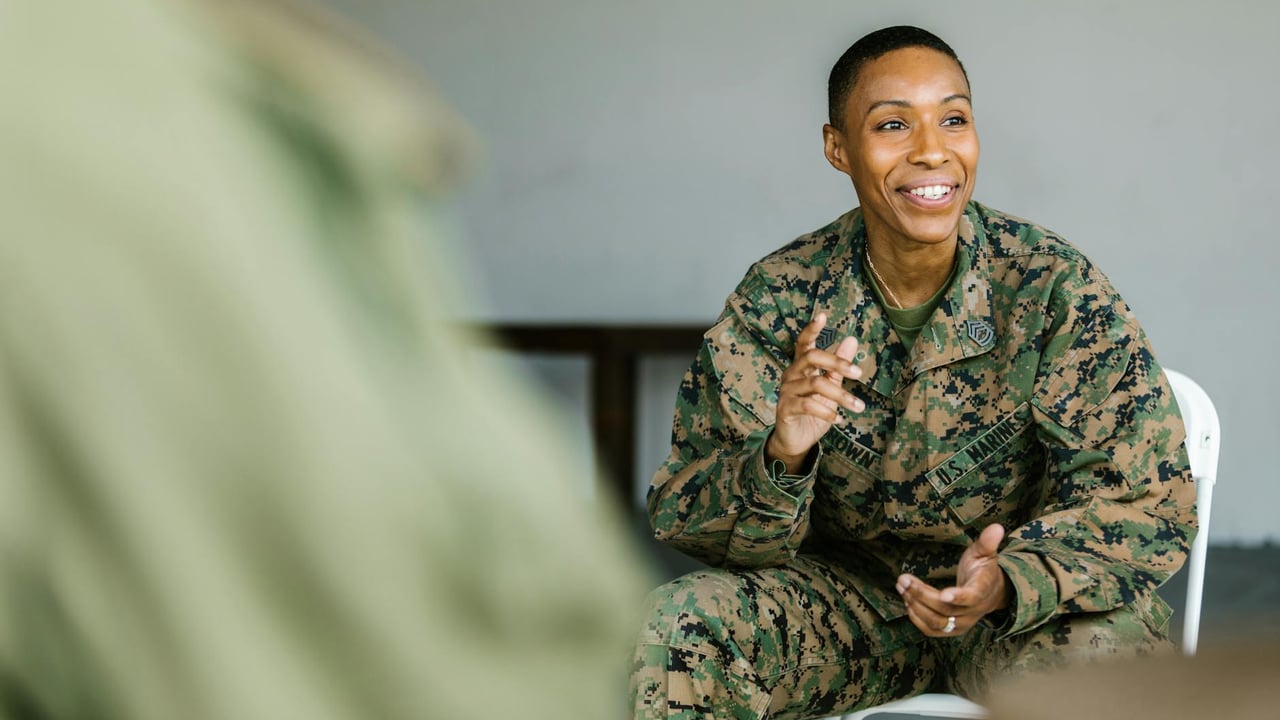

A Chinese state military outlet published a short but pointed tribute to veterans titled “Hello, Veteran — Honouring a Soldier Spirit That Never Fades,” underscoring Beijing’s continuing effort to canonize service and sacrifice as pillars of national identity. The piece, carried by China Military TV and datelined Beijing on 2 February 2026, offers a ceremonial reminder of the People’s Liberation Army’s role in shaping public memory and contemporary political messaging.
Readers are presented with images and language that evoke continuity: discipline, loyalty and self‑sacrifice are framed as virtues that transcend generations. The article’s tone is celebratory rather than policy‑driven, but the choice of platform and phrasing is significant; praise of veterans through official channels reinforces norms about military service and civic duty while humanizing the armed forces for a domestic audience.
This sort of tribute matters because it is part of a broader, institutionalized campaign to manage the veteran population and the PLA’s public image. Since the consolidation of a dedicated veterans affairs framework and sustained military modernization, Beijing has balanced efforts to improve benefits with a steady stream of patriotic messaging. The aim is twofold: to sustain recruitment and morale, and to integrate former soldiers into a narrative of national rejuvenation that buttresses the Party’s legitimacy.
The domestic political logic is clear. Publicly honoring veterans strengthens civil‑military relations by signaling respect and recognition, even as the leadership tightens control over military culture and messaging. At the same time, such stories help preempt and diffuse potential grievances by keeping veterans visible and valorized in official discourse, channeling their status into social prestige rather than protest.
For international audiences, the tribute is a soft but telling datapoint. It does not alter strategy overnight, but it illustrates how Beijing uses symbolic gestures to project cohesion and readiness at home. Observers should watch whether such messaging is followed by concrete improvements in veteran welfare or by expanded recruitment and training drives, both of which have implications for China’s long‑term military capacity and regional posture.