
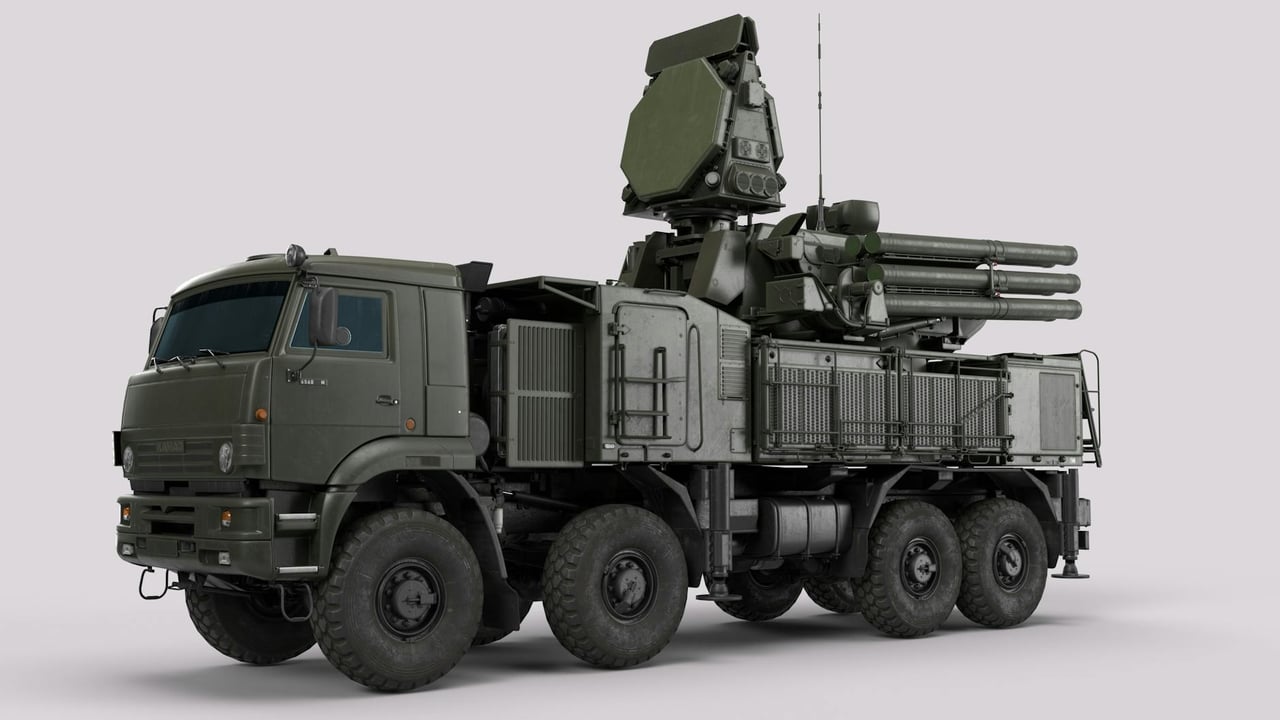

Iran’s state television released a video tour of an extensive underground missile complex that the Revolutionary Guards say stores hundreds of new “Abu Mahdi” anti-ship cruise missiles. The footage, guided by the IRGC Navy commander, shows a subterranean tunnel network roughly 500 metres below ground connected to surface exits and dozens of white, box‑bodied trucks that, when positioned at the shoreline, can raise three‑tube launch canisters and fire at sea.
The missile on display is described as a versatile, long‑range weapon with a sea‑skimming flight profile, electronic counter‑countermeasures and a warhead weighing in excess of 400 kilograms. Western and regional outlets have highlighted two headline figures: a claimed range of more than 1,000 kilometres and an assertion that two such missiles could theoretically sink a roughly 9,000‑tonne destroyer. Iran says the system entered service in 2025 and has since undergone combat-driven upgrades.
Operationally, the display emphasises mobility and concealment: the missiles are mounted on ordinary‑looking civilian trucks and stored deep underground to survive pre‑emptive strikes. The combination of hidden tunnels, rapid launch procedures and dispersed coastal firing points underlines a doctrine of asymmetric naval warfare — rapid, hit‑and‑run strikes designed to complicate an opponent’s target set and overwhelm defences by creating many fleeting launch platforms.
For the United States Navy and its regional partners the signal is twofold: first, a reminder that shore‑launched anti‑ship systems can place carrier strike groups and forward bases under new pressure; second, a claim that the effective perimeter for safe carrier operations may be pushed farther from Iran’s coast. Analysts in the Gulf note that a 1,000‑kilometre threat envelope would force carrier air wings to operate at reduced range, degrading sortie rates and increasing reliance on aerial refuelling or land bases.
Technical scepticism remains important. Aegis‑equipped fleets, layered air defences and escort vessels constitute formidable obstacles to a single missile’s success; many Western experts caution that the video and public claims may overstate operational effectiveness or production scale. Yet recent incidents involving Houthi attacks on commercial and naval vessels have shown how asymmetric weapons and opportunistic tactics can impose outsized political and operational costs even without sinking a carrier.
Beyond immediate military calculations, the publicity value of the rollout matters. The parade reinforces Iran’s deterrent narrative for domestic and regional audiences, complicates U.S. contingency planning in the Gulf, and raises questions about proliferation to proxy groups. Washington’s likely responses — shifting operating patterns, investing in longer‑range sensors and strike options, or renewed diplomacy to defuse escalation — will shape whether the display alters behaviour or merely raises the political temperature.