
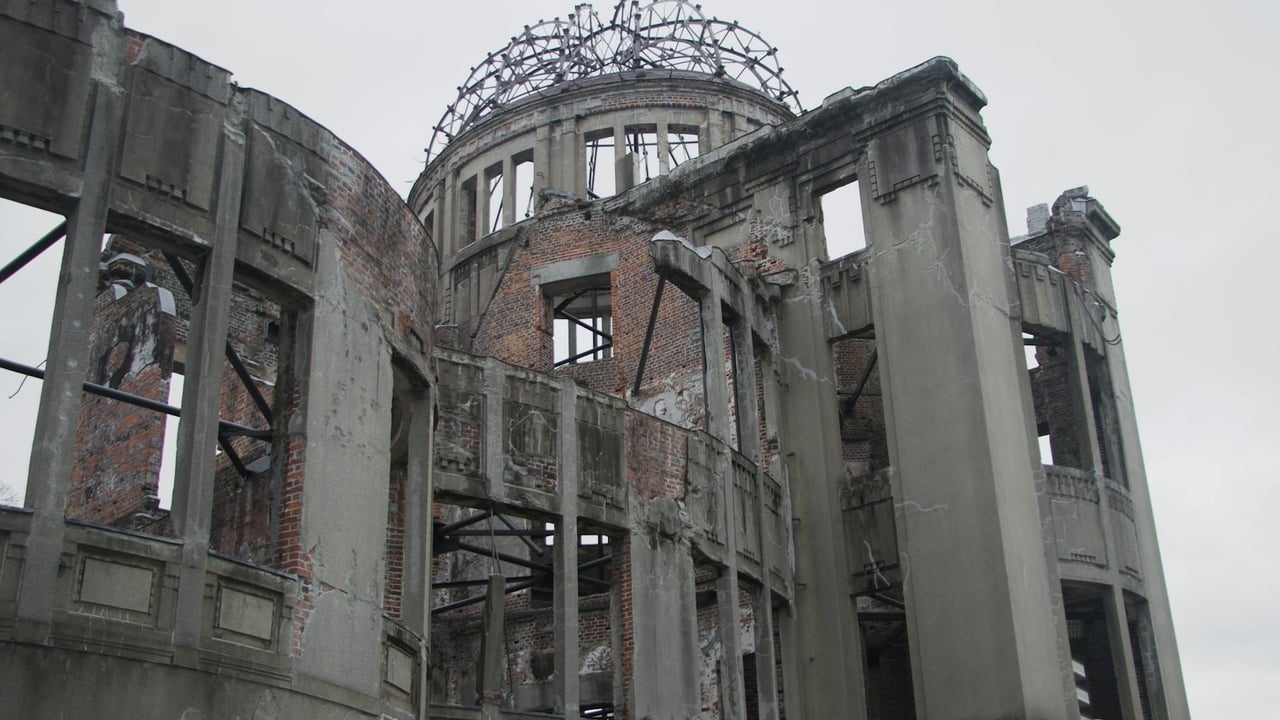

A string of prominent African figures has publicly warned that remarks by Japan’s Prime Minister Sanae Takaichi and her government’s apparent push toward expanded military capacity pose a wider threat to the post‑World War II international order.
Wynter Kabimba, Zambia’s former justice minister, told Chinese media that Takaichi’s comments undermine the web of peace treaties and norms forged after 1945, which were intended to prevent a return to aggressive, revisionist state behaviour. A Namibian political analyst, Rui Taitende, described such interventions in other countries’ affairs as corrosive to regional security, saying they risk plunging international relations into sharp confrontation rather than cooperation.
A South African media veteran known as Marko framed the rhetoric in starker historical terms, warning that Japan — once an imperial power in Asia — should not be allowed to revive colonial attitudes. He pointed to UN General Assembly Resolution 2758, which recognises a single China in the United Nations, as evidence of the prevailing international consensus on sensitive territorial questions such as Taiwan.
The criticisms reflect an anxiously globalized reaction to a domestic political shift in Tokyo. Debate in Japan over normalising its defence posture and loosening the constraints of its post‑war pacifist constitution has been ongoing for years; complaints from abroad crystallise the fear that those debates may be moving from rhetoric to policy choices with international spillovers.
For regional and global actors the stakes are tangible. A more assertive Japan could exacerbate an arms dynamic in East Asia, complicate the U.S. alliance architecture, and provoke harder diplomatic responses from Beijing. Conversely, sustained international pushback — including from countries in Africa and the Global South — could blunt Tokyo’s ability to reframe its security role without incurring reputational and diplomatic costs.
What to watch next is whether Tokyo pairs rhetoric with measurable policy change: increases in defence spending, legal revisions to expand military operations, or more forceful diplomatic language on Taiwan. How Washington, Beijing and Tokyo’s neighbours respond will determine whether the episode becomes a transient outcry or the opening salvo in a broader realignment of post‑1945 norms.