
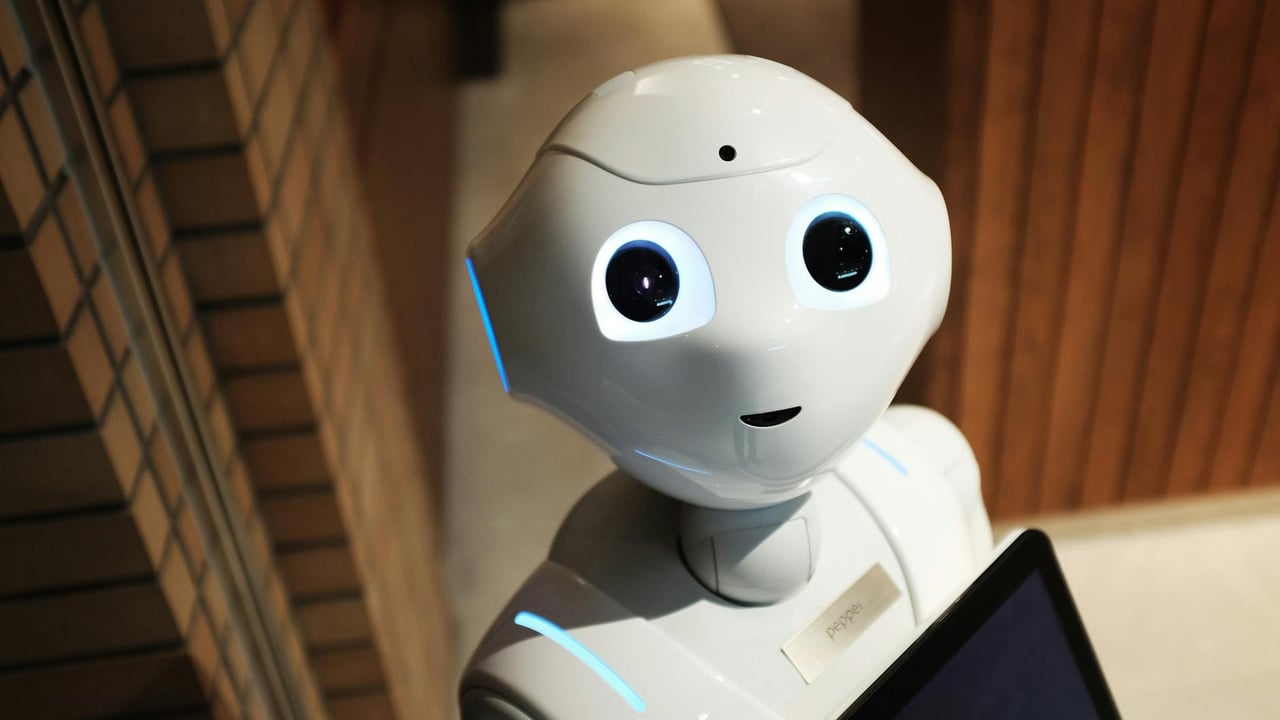

Zhiyuan Robotics has decided not to take part in the 2026 Spring Festival Gala and is instead preparing what it bills as the world’s first large-scale robot variety show, Robot Wonderful Night. The live-streamed event will feature several hundred robots performing songs, dances, sketches and runway presentations, a public-relations and product showcase rolled into one as the company prioritizes funding for embodied intelligence research and product development.
The gala is more than spectacle. It signals a shift in the business strategy of leading Chinese robotics firms from one-off demonstrations toward sustained product launches and market-facing narratives. Institutional forecasts show why: market intelligence firm GGII estimates global humanoid robot shipments could top 5 million units by 2035 with a market value exceeding 400 billion yuan, and a 2025–2030 compound annual growth rate of roughly 51%.
Investment banks and securities houses now treat 2025–26 as the industry’s turning point. Guoyuan Securities frames 2025 as the year humanoid robots transition from “technology demonstration” into “productization and order validation,” and sees 2026 as a moment when hardware integrators, core modules and evolutionary paths will attract the most investor attention. That posture helps explain Zhiyuan’s decision to redeploy marketing spend towards R&D rather than a high-profile TV appearance.
The emerging supply chain is already reorganizing. Component makers are setting up robotics-focused subsidiaries and partnerships: Kabeiyi has established a Shanghai unit to develop and produce parts for humanoid robots, while Ampelong is supplying torque and force sensors to collaborative-robot and humanoid programs in Guangdong. These moves underscore that the nearer-term bottlenecks are less about algorithms and more about reliable mechanical, sensing and modular subsystems that can be mass-produced.
Broader technological and market trends are reinforcing that demand. Memory and storage markets are tightening as AI workloads and data-center buildouts accelerate. TrendForce has revised up first-quarter 2026 price expectations for DRAM and NAND Flash sharply, citing an intensifying imbalance between supply and the surge in AI and data-center demand. For robotics and other AI-heavy applications, higher memory prices mean elevated system costs and squeeze margins for companies that must integrate large on-board compute stacks or server-side inference capacity.
The compute story is branching outward. A recent corporate memo indicates SpaceX and xAI are preparing to merge into an entity with an implied valuation of about $1.25 trillion and a long-term goal of deploying “space-based” data centers to host AI workloads. If in-orbit compute materializes at scale, it would change assumptions about terrestrial power and cooling constraints and create new markets for high-reliability photovoltaic systems, energy-storage hardware and radiation-hardened electronics — industrial areas where Chinese suppliers and equipment makers already compete.
Closer to home, rapid expansion of artificial-intelligence data centers (AIDCs) is reshaping power markets. Short-term demand for gas turbines is rising because they can be deployed fast and pair well with data-center construction cycles; but turbine supply chains remain concentrated and capacity constrained. That creates openings for domestic suppliers of blades, housings and power-system integration, and it raises strategic questions about the resilience of global supply chains for the energy and mechanical subsystems that AI infrastructure depends on.
For international audiences, Zhiyuan’s gala is emblematic of China’s approach to industrialising advanced robotics: marry public spectacle with incremental moves to scale manufacturing, shore up a fragmented components market, and align corporate narratives with a broader national push into AI-enabled hardware. The show will draw attention, but the industry’s commercial success will ultimately depend on reductions in unit cost, reliable sensor and actuation modules, and accessible compute and memory resources.
In short, Robot Wonderful Night is a marketing headline with substantive underpinnings. It reflects a maturing sector that must now prove repeatable engineering, supply-chain depth and market fit — not just dazzling demos — if humanoid robots are to move from viral clips to everyday deployments.