Federal Judge Bars ICE From Using Chemical, Kinetic Weapons on Portland Protesters and Reporters

A federal judge in Oregon issued a 14-day temporary restraining order preventing ICE from using chemical and kinetic weapons against protesters and journalists in the absence of an imminent threat, after plaintiffs documented repeated deployments around the Portland ICE office. The order narrows the permissible circumstances for nonlethal crowd-control tactics and protects reporters from being targeted, while preserving officers’ ability to act in true emergencies.

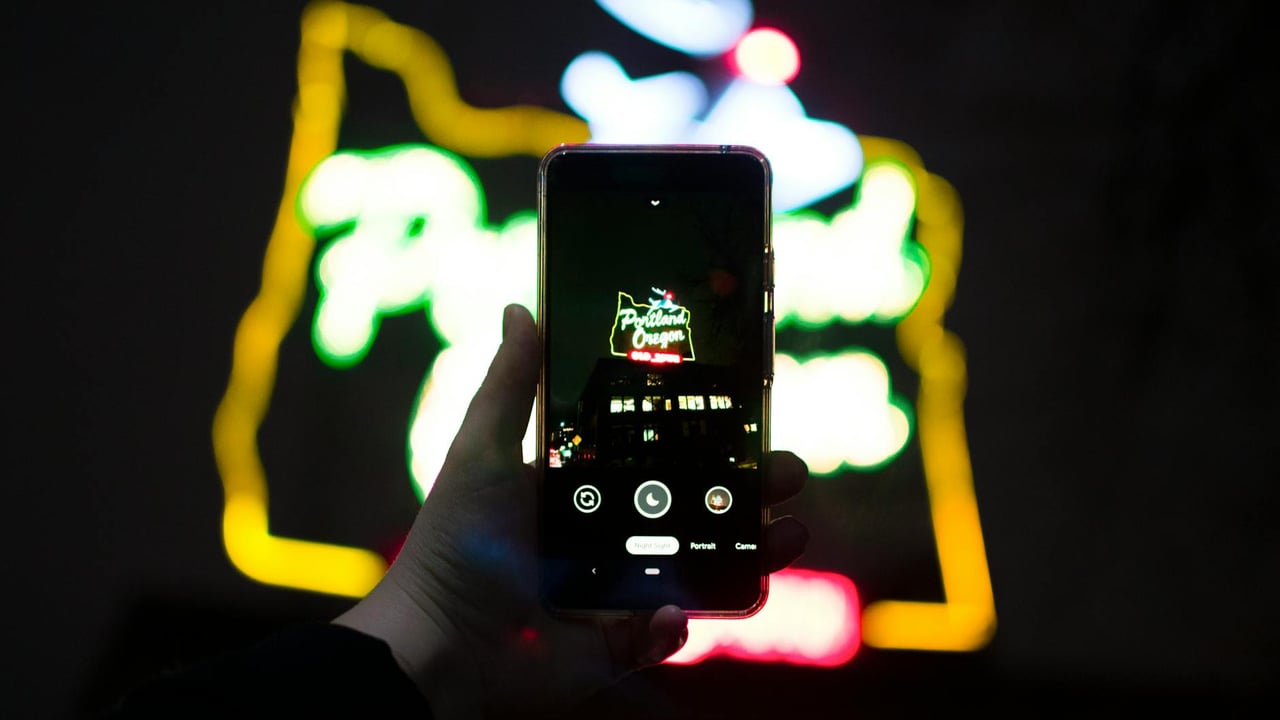
Hand holding smartphone capturing neon 'Portland Oregon' sign during night in downtown Portland.

Key Takeaways

  • 1U.S. District Judge Michael H. Simon granted a 14-day temporary restraining order limiting ICE’s use of chemical and kinetic weapons near the Portland ICE office.
  • 2The court found plaintiffs — protesters and journalists — showed repeated, unnecessary use of tear gas and pepper projectiles against people who posed no imminent threat.
  • 3The order bars use of such weapons absent an imminent threat and prohibits aiming them at the head, neck or torso, but allows lawful arrests and emergency force.
  • 4The injunction applies to potential class members and is time-limited, making further litigation or an appeal likely.

Editor's
Desk

Strategic Analysis

The temporary restraining order marks a tactical and symbolic check on federal enforcement practices that have been controversial since 2020. Legally it demands clearer evidence that force is necessary and proportional, tightening the standard for nondiscriminatory crowd control when journalists and peaceful demonstrators are present. Politically, the ruling intensifies scrutiny of DHS and ICE operations, heightening pressure for internal policy reviews, clearer rules of engagement and improved training on de-escalation and press protections. Practically, the order will constrain ICE’s options in the short term but is unlikely to settle the dispute: the government can appeal or seek a broader stay, and outcomes at the appellate level — particularly in the Ninth Circuit — could shape nationwide standards for federal agents. For civil liberties advocates and news organisations, the case offers a template for challenging tactics perceived as suppressing speech and press coverage; for law enforcement, it signals the judiciary’s willingness to intervene where evidence shows repeated, non-imminent uses of force.

China Daily Brief Editorial
Strategic Insight
China Daily Brief

A U.S. federal judge in Oregon has temporarily curtailed Immigration and Customs Enforcement’s tactics at protests near its Portland office, ruling that the agency may not deploy chemical or kinetic munitions against people who do not pose an imminent threat. Judge Michael H. Simon granted a 14-day temporary restraining order after plaintiffs — protesters and several journalists — demonstrated repeated use of tear gas, pepper balls and similar devices that harmed individuals who were not threatening officers.

The order forbids ICE and related law-enforcement personnel from using chemical agents or projectiles except when there is an immediate, clear danger to life or serious injury, and expressly prohibits aiming such weapons at a person’s head, neck or torso. The court emphasised that the restraining order does not prevent lawful arrests or the use of necessary force in genuine emergencies, but it narrows the circumstances in which nonlethal crowd-control tools may be deployed.

Portland has been a flashpoint for confrontations between federal agents and demonstrators since 2020, when deployments by the Department of Homeland Security drew sustained criticism for aggressive tactics and opaque command structures. The latest ruling echoes longstanding concerns about press freedom and public safety at demonstrations: journalists have repeatedly alleged being targeted or impeded while covering protests, and civil-society groups have argued that broad claims of authority allowed excessive and indiscriminate use of force.

The decision is limited in time and scope — it applies to the putative class identified in the suit and lasts 14 days — but it represents a judicial check on federal crowd-control practices. Expect swift litigation steps from the government, including possible appeals or motions for a preliminary injunction; irrespective of the next legal moves, the order underscores the judiciary’s willingness to demand factual proof that force was necessary and proportionate before allowing the continued use of certain tools against civilians and the press.

Share Article

Related Articles

📰
No related articles found