
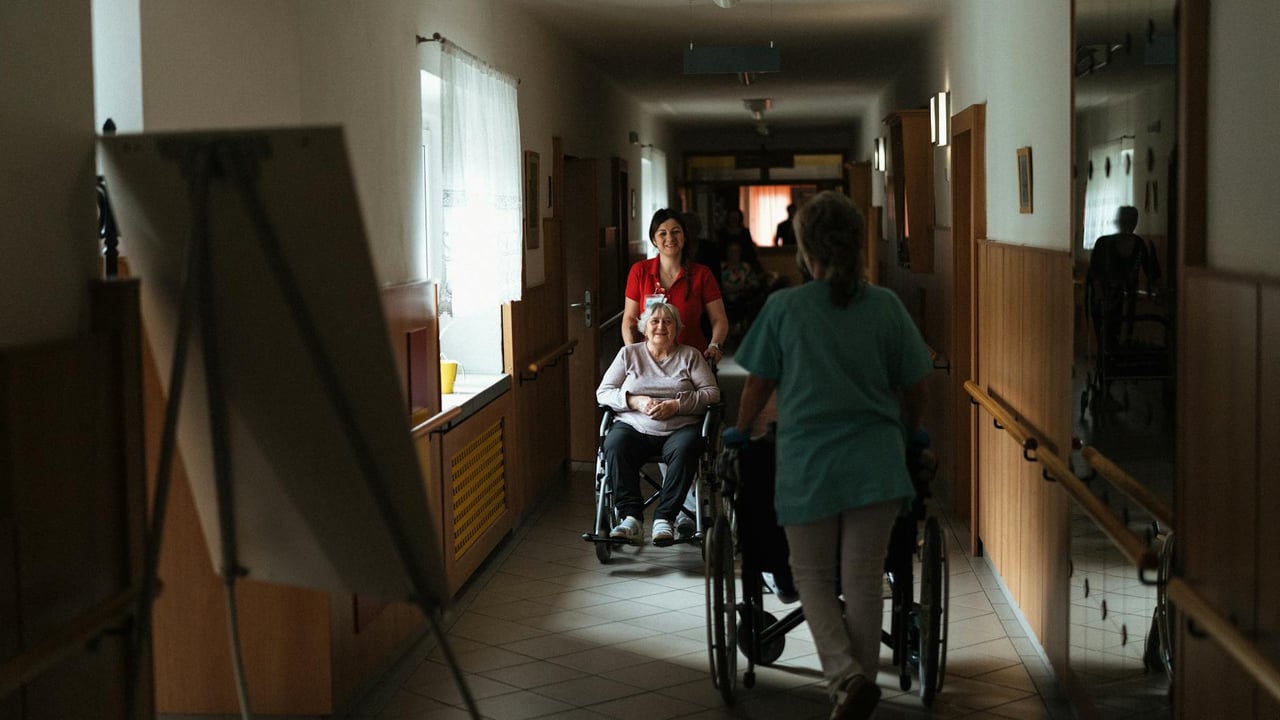

At 35, Shenzhen resident Zhou Rong'ai left tech sales and found a job she calls meaningful: a paid companion who guides patients through hospital visits. Her first assignment — accompanying an elderly non‑Mandarin speaker to a city hospital and helping secure a diabetes diagnosis — illustrates why demand for such services has grown in step with ageing, migration and the complexity of modern hospitals.
The role, known in Chinese as pei zhen shi or “patient companion,” has quietly expanded from ad hoc errands and bedside comfort into a fragmented service industry. Companions perform three core tasks: full accompaniment and emotional support; errands such as collecting medicine and reports; and, at the highest end, acting as proxy consultants who brief doctors about a patient’s history and anticipate clinical questions.
Prices vary by city and service. In first‑tier centres like Beijing services are typically charged by the hour at 50–100 yuan, producing single‑visit fees in the 200–400 yuan range; in smaller cities fees are roughly 30 percent lower. Many companions win work through social media, platforms, insurance subcontracting or hospital referrals, but competition is intense and margins thin — the industry has been described by practitioners as “over‑supplied” and prone to cut‑throat pricing.
The work meets real needs. Elderly, rural and migrant families often lack local networks or Mandarin proficiency and face high travel, lodging and time costs when seeking specialist care in big cities. For cancer patients and others with complex follow‑up schedules, a knowledgeable companion can condense multiple appointments into a single day and save families thousands of yuan in indirect expenses.
Yet the sector remains largely informal and unevenly regulated. Certificates issued by associations and training bodies exist, but they function as attendance or training proofs rather than legally recognised occupational qualifications. In 2025 Shanghai piloted a certified public‑hospital companion programme that put 1,203 credentialed companions to work and logged some 750 services, while a January interagency statement from eight government ministries signalled support for fostering professional companion‑and‑assistance institutions.
The formalisation push is complicated by a string of legal and ethical challenges. Companions operate close to hospital workflows and to the grey economy of appointment brokers; researchers and industry insiders acknowledge that excess incomes for a few are sometimes tied to illicit “ticket‑sniping” or collusion with scalpers. Courts have adjudicated disputes: a Beijing judgment ordered a companion to pay several thousand yuan in economic and emotional damages after losing a cancer patient’s pathology sample, underlining real liability exposures.
For many companions, the risks extend beyond legal liability to occupational precarity and emotional strain. Small‑city providers describe work without contracts, insurance or social protection, handling heavy lifts, emergency transports and even funerary tasks. Those who stay in the front line tend to be people with other household incomes, spare time or a personal disposition for caregiving rather than those chasing platform hype of overnight riches.
The sector’s trajectory mirrors other new service niches in China: market growth and local standards leading, then nudged toward national rules. Policymakers and hospital administrators face trade‑offs between plugging an immediate care gap and safeguarding patient privacy, medical boundaries and liability. International analogues exist: in the United States “patient navigators” — often either trained professionals or supervised lay workers — have been integrated into care teams in ways that suggest possible blueprints for China.
As companions migrate from informal gigs to pilot programmes, the policy questions are clear. Will China create a tiered regulatory framework that differentiates basic errands from clinical proxy work? Can certification be tied to liability protections, insurance and hospital cooperation to prevent both abuses and harmful fragmentation? The answers will shape whether this workforce reduces unmet care needs or merely reproduces precarious, under‑regulated labour at scale.