
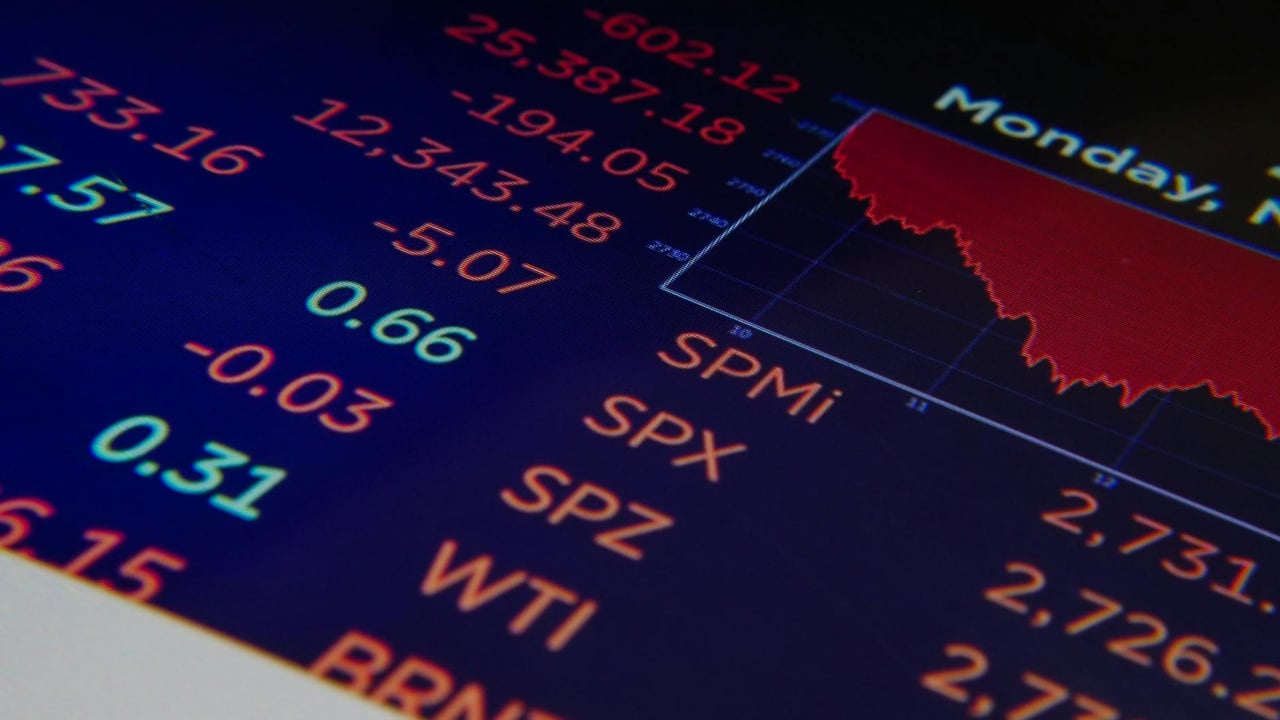

China’s A‑share market opened 2026 with an unexpected splash: 4.92 million new trading accounts were opened in January, a monthly total higher than any month in 2025 and the fifth‑largest monthly influx in A‑share history. The surge accompanied record trading activity — the Shanghai and Shenzhen markets reported a combined monthly turnover of about CNY 70 trillion and a daily average of roughly CNY 3.33 trillion — reinforcing short‑term market momentum.
Major indices closed the month strongly, with the Shanghai Composite up 3.76% and the Shenzhen component rising 5.03%; the STAR/Science and Technology board led with double‑digit gains. Northbound inflows exceeded CNY 65 billion, public fund issuance rallied, and a broad swathe of industries posted gains, led by metals, media and energy, while a handful of defensive sectors lagged.
The headline numbers matter because they signal renewed retail participation and abundant liquidity at a time when Chinese authorities are emphasizing stability and long‑term capital. Compared with the fevered 2015 rally — when monthly account openings peaked above 7 million and valuations topped 30x earnings — the current environment is substantively different. The market now trades at a lower price‑earnings multiple (about 17x for the Shanghai index), features a healthier composition of longer‑term institutional capital, and is operating under a regulatory posture that prioritizes gradual, managed gains over speculative spikes.
Still, the data mask near‑term fragilities. The month closed on a pullback as pre‑holiday risk aversion, profit‑taking and the implementation of rules that raise margin requirements prompted leveraged positions to cool. Two‑margin balances, which had climbed for ten consecutive sessions, reversed course after the new financing guarantee ratios took effect, underscoring how regulatory tinkering and seasonal liquidity demands can quickly recalibrate market sentiment.
Brokerage strategists largely frame January’s correction as temporary. Analysts at several major houses argue that policy tailwinds — including measures to channel medium‑ and long‑term capital into equities, renewed support for consumption and technology, and an expected policy cadence around the upcoming Two Sessions — should sustain a “slow bull” trajectory. That narrative assumes China’s macro data hold up and that foreign inflows continue to supplement domestic buying.
For global investors, the inflow of nearly five million new retail accounts is a double‑edged signal. On one hand it confirms investor confidence and deepening domestic participation that can underpin rallies without excessive dependency on foreign funds. On the other hand, a market increasingly driven by fresh retail money can be more sensitive to sentiment swings, regulatory adjustments and seasonal funding pressures. The immediate outlook is therefore constructive but conditional: a steady, policy‑supported advance is plausible, but the path will include intermittent, sharp pullbacks.
In sum, January’s figures give Beijing and market participants a welcome proof point that reforms and liquidity measures are working to broaden participation. The longer test will be whether this new capital is patient capital aligned with policy makers’ aim for a stable, gradual appreciation in asset prices — or whether short‑term flows and leverage reintroduce the volatility that authorities are trying to avoid.