
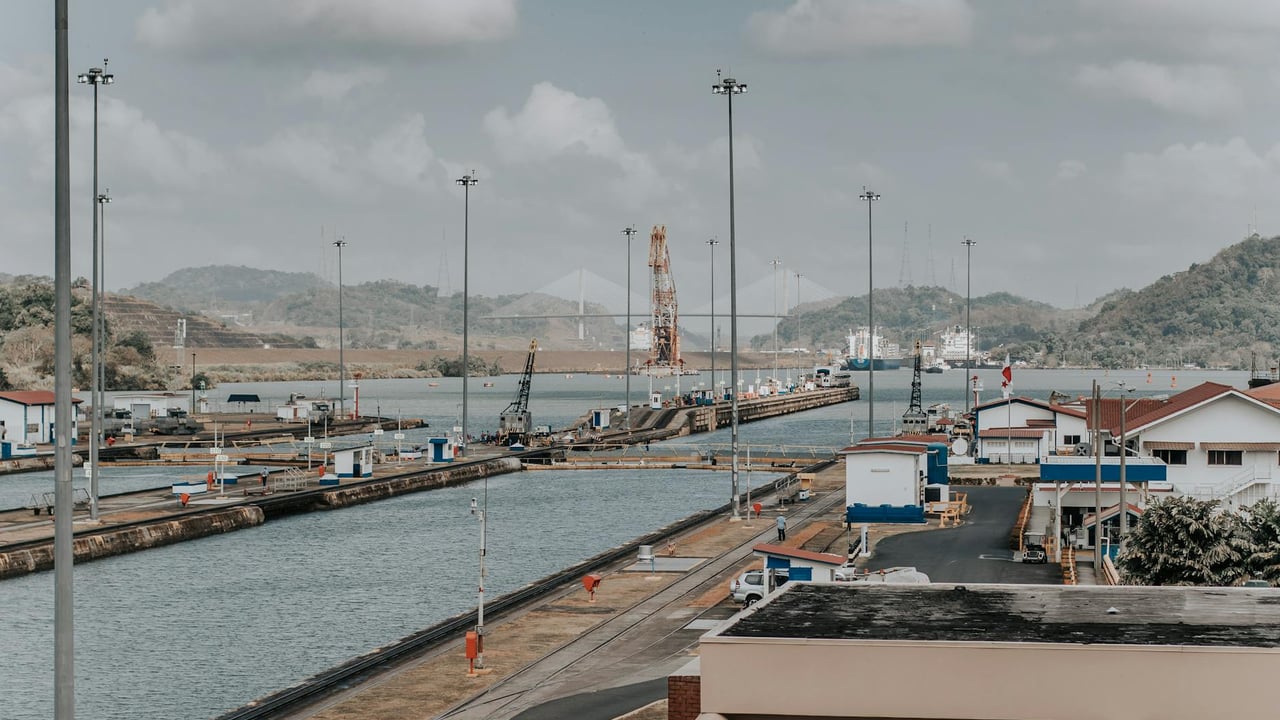

CK Hutchison’s board announced on February 4 that it strongly rejects a ruling by Panama’s Supreme Court and related actions by the Panamanian government concerning the operation of two port terminals run by its subsidiary, Panama Ports Company (PPC). The Hong Kong–listed conglomerate said PPC — an entity in which it holds an indirect 90% stake — has already initiated arbitration against the Republic of Panama under the concession agreements and the International Chamber of Commerce (ICC) arbitration rules.
The company told the Hong Kong Exchange that the Panama Supreme Court’s decision and the government’s subsequent steps are inconsistent with the legal framework that authorised the long-standing concession agreements. CK Hutchison said it will press its claims vigorously, continue to consult legal advisers and reserve all rights to pursue further domestic and international legal remedies.
The dispute centres on the legal validity and enforcement of port concession contracts that for decades have governed operations at two strategically important terminals on or near the Panama Canal. PPC’s swift move to trigger ICC arbitration is a predictable next step: arbitration clauses in investment and concession agreements are standard tools multinational firms use to challenge state actions they regard as unlawful expropriations or breaches.
But invoking arbitration is only the start of a long and uncertain process. Winning an award will not automatically restore operational control; enforcement depends on Panama’s compliance and on the willingness of courts in jurisdictions where Panama holds assets to uphold an ICC award. Meanwhile, operational control of the terminals and continuity of port services are immediate practical concerns for shipping lines and shippers that rely on the Panama transshipment hub.
The incident comes at a sensitive moment for foreign direct investment in Latin America and for Chinese-affiliated business interests worldwide. Although CK Hutchison is a Hong Kong conglomerate rather than a mainland Chinese state actor, Chinese media and social platforms have framed the row in the broader context of perceived encroachments on Chinese business abroad, increasing political scrutiny and emotive public reaction.
For investors the case raises questions about political and legal risk in Panama and other jurisdictions where sovereign decisions can alter long-term commercial deals. For global shipping, any interruption or uncertainty at Panama’s ports — which sit astride an artery of global trade — could have knock-on effects for container routing, insurance costs and port-equipment investment plans.
How the dispute evolves will depend on several variables: the Panamanian government’s next operational steps, the speed and scope of interim measures that PPC may seek from arbitral tribunals, and any diplomatic engagement that could seek a negotiated settlement. The case will be watched closely as a test of the durability of international arbitration protections for investors faced with contested domestic rulings.