
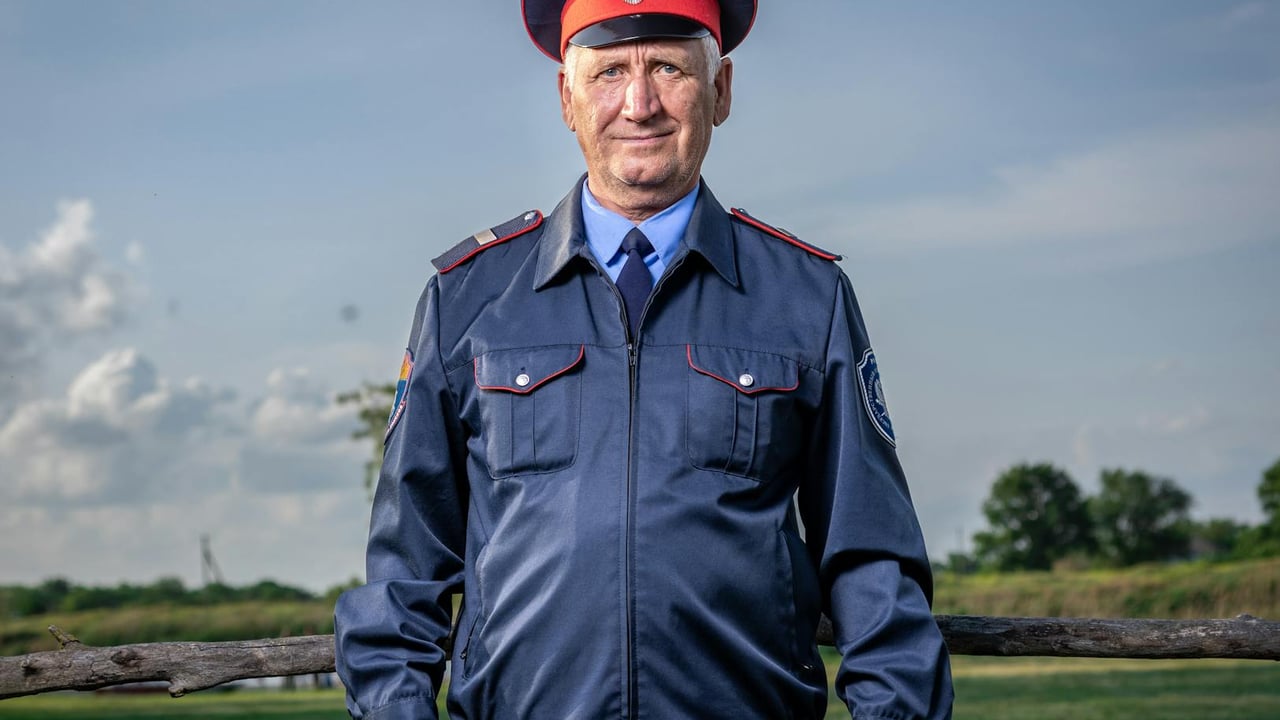

When Huai Zhanguo left the military and returned to Yunnan to run a small enterprise, cashflow problems threatened to close the firm. A tailored low‑interest loan for veterans — part of a provincial product known locally as “Yunling Jun Chuang Dai” — arrived just when it was needed, allowing him to expand production and hire nearly ten fellow veterans.
That individual story is one of many the Yunnan provincial veterans affairs department cites as evidence of its “10 practical measures” campaign, launched in 2025 to tackle veterans’ most pressing needs: resettlement, employment and entrepreneurship, medical care and preferential treatment, as well as online services, honors and other welfare supports. After a year of implementation, the province reports a 91.23% satisfaction rate for its veterans services in the 2025 public‑service survey.
The program’s reach is quantitative as well as symbolic. More than 360 transferred officers and over 1,600 discharged soldiers were resettled under government arrangements in 2025, and the province says eligible veterans who sought government placements all entered public institutions or state‑owned enterprises. Officials attribute the high placement rate to a mix of early provincial rules, new accountability mechanisms in performance evaluations and a “one‑stop” administrative approach that pairs rapid paperwork with follow‑up support.
Employment channels have been widened in parallel: provincial authorities reported 15,851 veterans found jobs in 2025, while targeted recruitment drives — including special pipelines for veterans as teachers and auxiliary police — held over 300 events offering roughly 157,000 positions. Advocates point to those dedicated entry routes as a durable alternative to ad hoc hiring, reducing the bureaucratic friction that can trap ex‑servicemen on the margins of the labour market.
Financial support is a central pillar. Yunnan’s veterans affairs teams undertook “diagnostic” visits to military‑founded firms and tackled 220 financing and investment obstacles during the year. The province says dedicated veteran entrepreneurship loans disbursed 3.75 billion yuan in 2025, while its fifth annual veterans entrepreneurship and innovation contest produced some 571 million yuan in intended investment. Authorities frame these measures as ‘‘precision irrigation’’ for veteran entrepreneurs rather than blanket subsidies.
Welfare protections and medical outreach have also expanded. The province coordinated education placements for over 3,000 children of servicemembers, and benefit items listed for veterans and their families mushroomed from 2,600 to 5,313 categories, covering tourism, transport, healthcare and consumption discounts. One‑off welfare operations ranged from ophthalmology campaigns for older veterans to mobile medical teams and long‑distance memorial services for families of Korean War veterans.
Yunnan’s campaign is as much about public management as it is about compassion. The combination of legally framed provincial measures, visible headline programs and granular, case‑by‑case support is designed to close grievance channels and to demonstrate state capacity at a time when veteran reintegration has become a recurrent governance concern across China. For local leaders, veterans constitute a high‑visibility constituency whose satisfaction is both a stability asset and a measure of administrative competence.
Sustaining these gains will test provincial budgets and delivery systems. Scaling loans without underwriting poor credit outcomes, keeping job placements meaningful rather than temporary, and converting improved satisfaction into long‑term livelihoods are all follow‑on challenges. Still, Yunnan’s mix of policy instruments — financial products, recruitment pipelines, medical outreach and strict assessment metrics — offers a template Beijing may encourage other provinces to emulate as it seeks to institutionalize veteran care nationwide.