
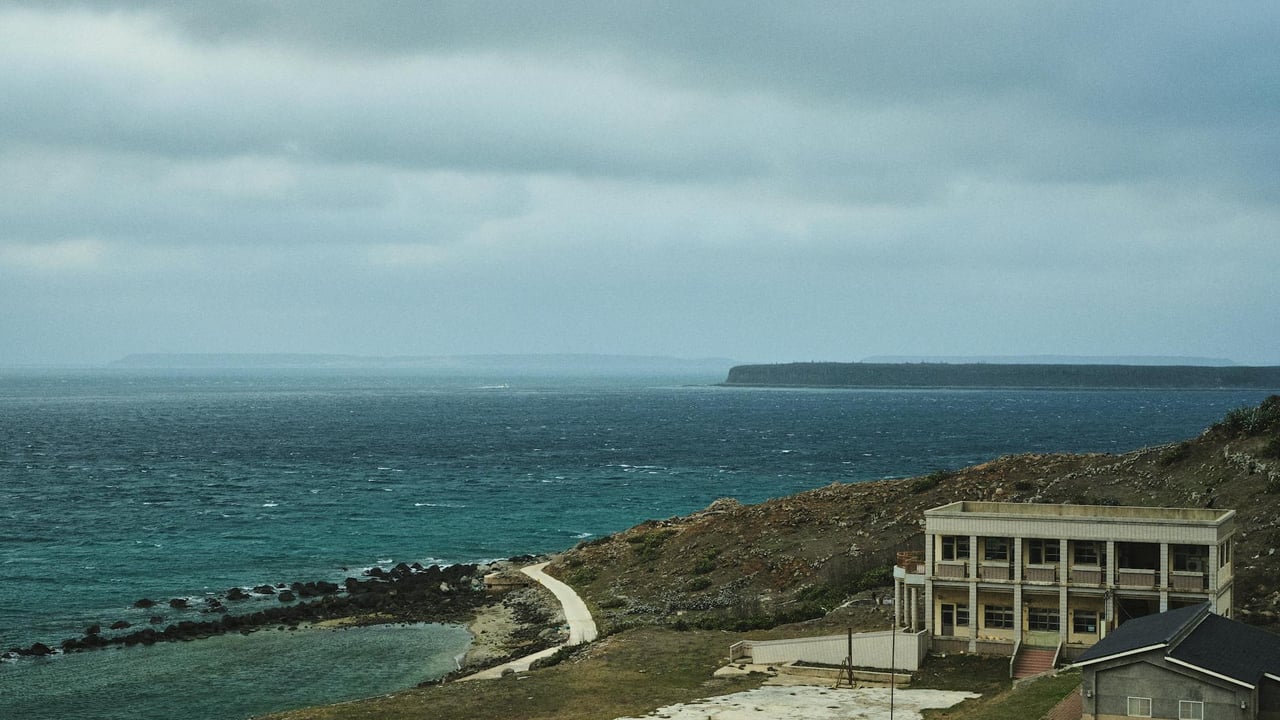

A People’s Liberation Army frigate and a Taiwanese naval vessel came to a tense stand‑off off the southwestern flank of Penghu, reprising a pattern of maritime coercion that directly threatens the sea lanes supplying Taiwan’s energy and bulk cargo ports. The encounter, reported in local media, occurred near the test area for Taiwan’s indigenous submarine programme and sits astride the approach to Taichung and Kaohsiung — the islands’ principal ports for liquefied natural gas, coal and other imports.
The incident is best read as part of a broader operational posture rather than an isolated episode. Since the Type 054A frigate known in coverage as Baoji entered service in 2022, it has been a frequent presence in the southwestern approaches, shadowing transits and, at times, shadowing or intercepting foreign and Taiwanese ships. Beijing’s regularised patrols have been accompanied by a dramatic rise in air sorties around the island: Taiwanese military tallies cited in recent days show aircraft missions increasing from roughly 380 in 2020 to more than 5,700 in 2025 — a near‑fifteenfold jump that underscores a shift from episodic displays to sustained operational pressure.
That pressure is aimed at leverage. Taiwan imports the great bulk of its petroleum, natural gas and thermal coal by sea, with Taichung and Kaohsiung handling critical LNG terminals and coal berths. Persistent PLA surface and air activity in the southwest compresses maritime manoeuvre space for merchant shipping and risks raising insurance and operating costs, forcing Taipei to contemplate resilience measures that go beyond military signalling and into civil defence and logistics planning.
The domestic response in Taipei has been swift and politicised. President Lai Ching‑te’s administration has moved to reorganise compulsory service units into combat‑oriented infantry formations and to promote wider “whole‑of‑society” mobilisation, reversing earlier campaign assurances that conscripts would be limited to infrastructure and base protection. Officials frame the reorganisation as adapting to a more intense security environment, but opponents warn the shift risks militarising Taiwanese society and exacerbating political polarisation at a delicate moment.
Both sides of the strait are playing for different audiences. Beijing seeks to raise the costs and risks of any formal movement toward independence while signalling to external players — principally Washington — that intervention entails steeper risks. The PLA’s evolving toolkit now routinely includes fifth‑generation fighters, long‑range bombers and integrated surveillance assets operating alongside naval patrols, and authorities in Beijing have signalled willingness to blend coast guard law enforcement with military presence to maintain a constant forward posture.
Domestic politics in Taipei complicate crisis management. A resumption of cross‑strait party‑level exchanges by the Kuomintang suggests there are still channels for stabilising engagement, yet the island’s governing party is under pressure to show toughness. That dynamic increases the risk of miscalculation: coercive patrols that are intended to intimidate can become flashpoints if Taipei escalates mobilisation or if foreign warships transit the strait to signal support.
For international observers the practical implications are clear. Persistent PLA activity around the Taiwan Strait is not simply a military signalling campaign; it is an instrument of economic pressure. Policymakers in Taipei and partner capitals will need to weigh investments in civil resilience, diversify energy and supply routes where possible, and preserve diplomatic and military channels that reduce the odds of accidental escalation. Expect Beijing to keep refining its coercive playbook while Taipei grapples with the domestic and operational consequences of a security environment that has grown more constrained and perilous.