

US markets opened mixed on Wednesday, with the Nasdaq slipping 0.28% while the Dow Jones Industrial Average rose 0.4% and the S&P 500 ticked up 0.11%. Early moves were led by swings in individual names rather than a broad market theme: semiconductor and tech names weakened while a handful of corporate earnings surprises supported other areas of the market.
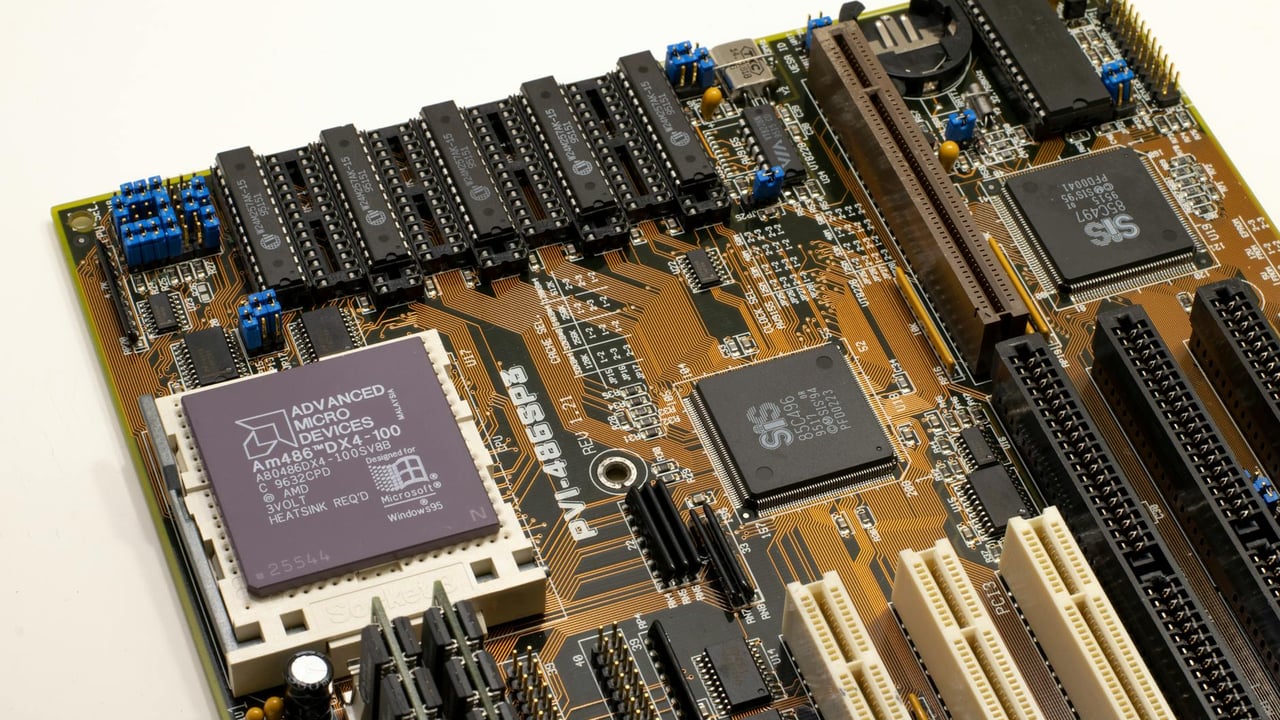
Advanced Micro Devices plunged in the opening session after the company signalled a slowdown in first-quarter revenue growth, prompting an intraday sell-off of roughly 10–16%. The sharp drop underscores how sensitive investors remain to forward guidance in the chip sector, where expectations about AI servers, PC demand and console cycles have amplified volatility.
At the same time Super Micro Computer jumped more than 10% after reporting second-quarter results that beat expectations, illustrating the divergence among suppliers to the data‑centre and enterprise markets. The contrast between companies trimming outlooks and those reporting stronger-than-expected orders highlights a bifurcated demand picture across segments of the technology supply chain.
Elsewhere, Novo Nordisk shares fell more than 4% after the pharmaceutical group trimmed its outlook, a reminder that guidance-driven moves were not confined to semiconductors. The opening snapshot showed market participants reacting swiftly to fresh corporate forecasts as earnings season proceeds, amplifying intraday swings.
The mixed opening reflects a broader rotation from high‑growth, guidance‑sensitive names toward stocks perceived as more resilient or value‑oriented. With central bank policy expectations relatively well priced in, company-level news has become a principal driver of near‑term price action, especially for sectors tied tightly to capital spending and end‑market appetite.
For international investors, the session also posed questions about cross‑market spillovers. Reports of weakness in China‑linked indices earlier in the day fed caution among traders with exposure to Chinese ADRs, compounding the sensitivity of tech and cyclical names to shifting demand signals.
Looking ahead, markets will likely remain responsive to the cadence of earnings calls and any macro data that could alter the outlook for interest rates. In the near term, investors should expect continued dispersion between winners and losers as companies update outlooks and as analysts revise forecasts to match changing order dynamics.