
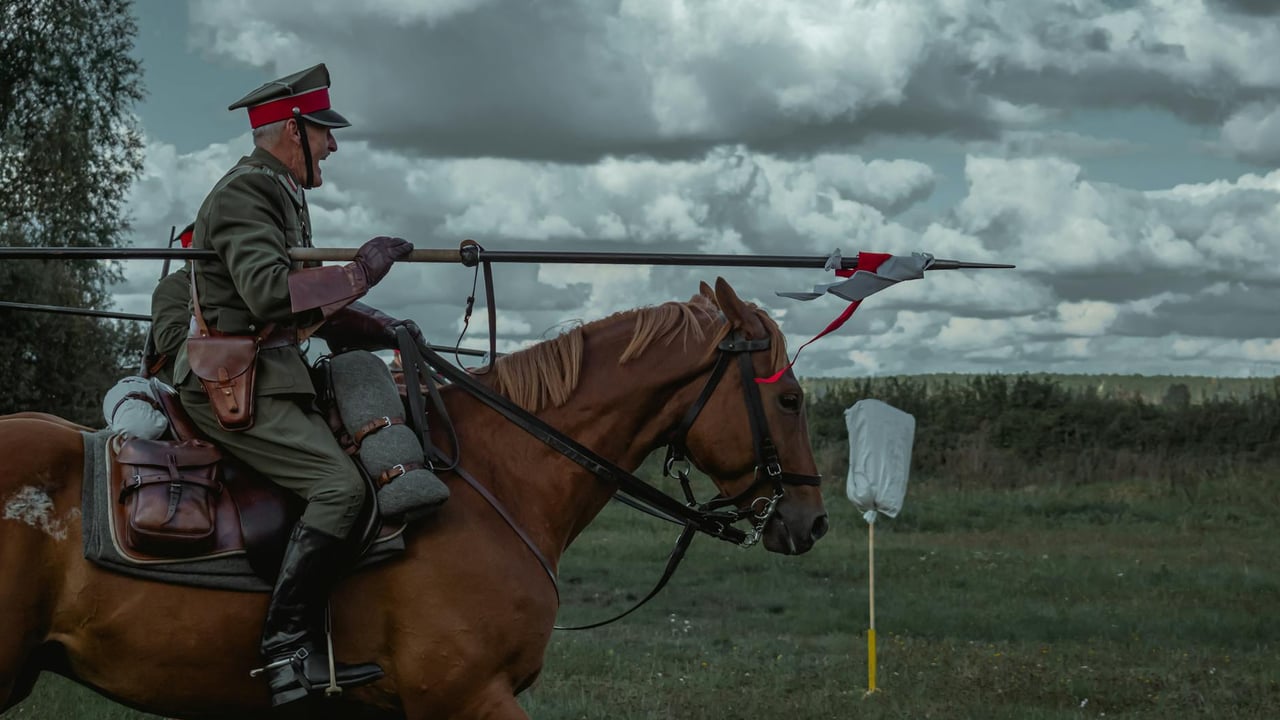

A video circulated by China Military Video Network this week captured an unusual demonstration of military precision: cavalry horses moving in tight, synchronized columns beneath mounted riders. The footage — published from Beijing on 5 February 2026 — focuses on the choreography of animals and soldiers, emphasizing timing, training and the cosmetic neatness of man and beast as they execute parade-style formations.
The scene is deliberately ceremonial. Modern armed forces worldwide have largely abandoned horses as frontline platforms, yet equestrian units remain valuable for parades, public relations and specific operational niches such as patrols in difficult terrain. For the People’s Liberation Army (PLA), mounted units have both historical resonance and practical utility in environments where vehicles struggle, and the visual spectacle of four-legged troops offers a well-polished symbol of discipline and tradition.
Beyond spectacle, the drill underscores several institutional priorities. Training animals to move in precise formation requires sustained investment in personnel, veterinary care and logistics, signalling an attention to detail that the PLA wants to project domestically and internationally. In recent years Beijing has invested heavily in the optics of military professionalism — including large-scale parades and well-drilled displays — as a tool to reinforce state authority and military credibility at home.
The display also reflects a balancing act between modernisation and legacy capabilities. While the PLA continues to prioritise high-technology systems such as drones, cyber and precision strike forces, it has retained limited equine capabilities for mountainous border regions and disaster-response scenarios where the terrain favours animals. The ceremonial use of mounted formations should be seen less as a return to pre-mechanised doctrine than as a multifunctional asset with symbolic and niche operational roles.
Internationally, the image of uniformly marching horses is unlikely to alter strategic calculations about China’s military power. Observers should instead read the footage as part of a broader information campaign that emphasises order, continuity and the cultivated image of a disciplined fighting force. Such displays aim to reassure domestic audiences about the PLA’s competence while signalling to foreign viewers that China values both tradition and the meticulous conditioning of its forces.
The cavalry drill also raises practical questions about resource allocation and animal welfare. Sustaining equine units requires ongoing funding for stables, training grounds and veterinary services, commitments that compete with spending on high-end technologies. The PLA’s decision to maintain and publicise these units indicates a choice to preserve symbolic military forms alongside the pursuit of modern capabilities.
In sum, the footage of horses moving in lockstep is primarily a soft-power and morale play. It packages military discipline in an arresting visual form, reminding domestic audiences of institutional continuity and sending a measured signal of professionalism without implying any major shift in China’s operational doctrine.