
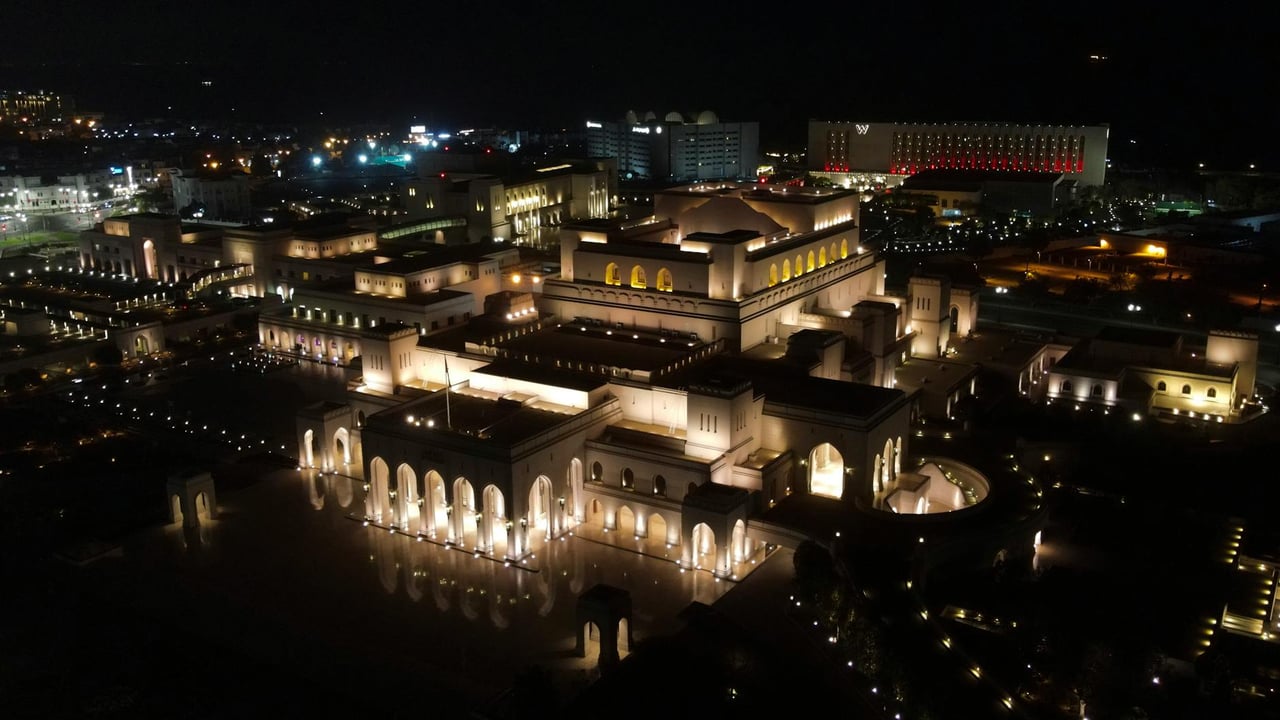

Iran’s foreign minister announced that Iran and the United States will hold talks in Muscat, Oman, on Feb. 6, marking another episodic instance of direct diplomatic engagement between two adversaries whose relations have been strained for decades. The terse announcement did not detail participants, agenda items or the format of the meetings, but the choice of Oman — a longtime discreet conduit between Tehran and Washington — signals a preference for low‑profile, mediated contact rather than a full public reset.
The meeting comes against a backdrop of intermittent negotiations over Iran’s nuclear programme, sanctions relief and regional security that have repeatedly stalled and restarted since the U.S. withdrawal from the 2015 nuclear accord. Tehran’s foreign policy in recent years has combined diplomatic outreach with greater strategic autonomy; its declarations of willingness to negotiate now compete with domestic pressures and with actions that have expanded Iran’s nuclear and regional influence.
For Washington, limited talks carried out through third-party venues offer a way to explore testing points with Tehran while managing domestic and allied sensitivities. U.S. administrations have historically used such channels to pursue narrow, pragmatic objectives — prisoner swaps, temporary de‑escalation, or technical understandings — without committing to a comprehensive deal that might provoke political blowback at home or among regional partners.
Oman’s role is significant. Unlike many Gulf states, Muscat has maintained working relations with Tehran and has frequently hosted back-channel diplomacy. Holding the session in Oman reduces headline risk and allows both sides to calibrate whether small, confidence‑building measures are feasible before escalating to wider, more formal negotiations.
The practical stakes are immediate and varied. Even a modest diplomatic opening could pave the way for limited prisoner exchanges, temporary maritime de‑escalation measures, or technical discussions on nuclear inspections that might buy time and reduce the threat of miscalculation. Conversely, an absence of tangible follow‑up would underscore how structural differences — sanctions relief versus verifiable nuclear constraints, and divergent regional security objectives — continue to frustrate meaningful progress.
Ultimately, these talks are a reminder that, despite the absence of full diplomatic relations, channels between Tehran and Washington remain functional and transactional. Whether Muscat produces a sequence of practical steps or simply another episodic communiqué will depend on negotiating bandwidth on both sides, regional reactions, and the evolving domestic politics in Tehran and Washington.