
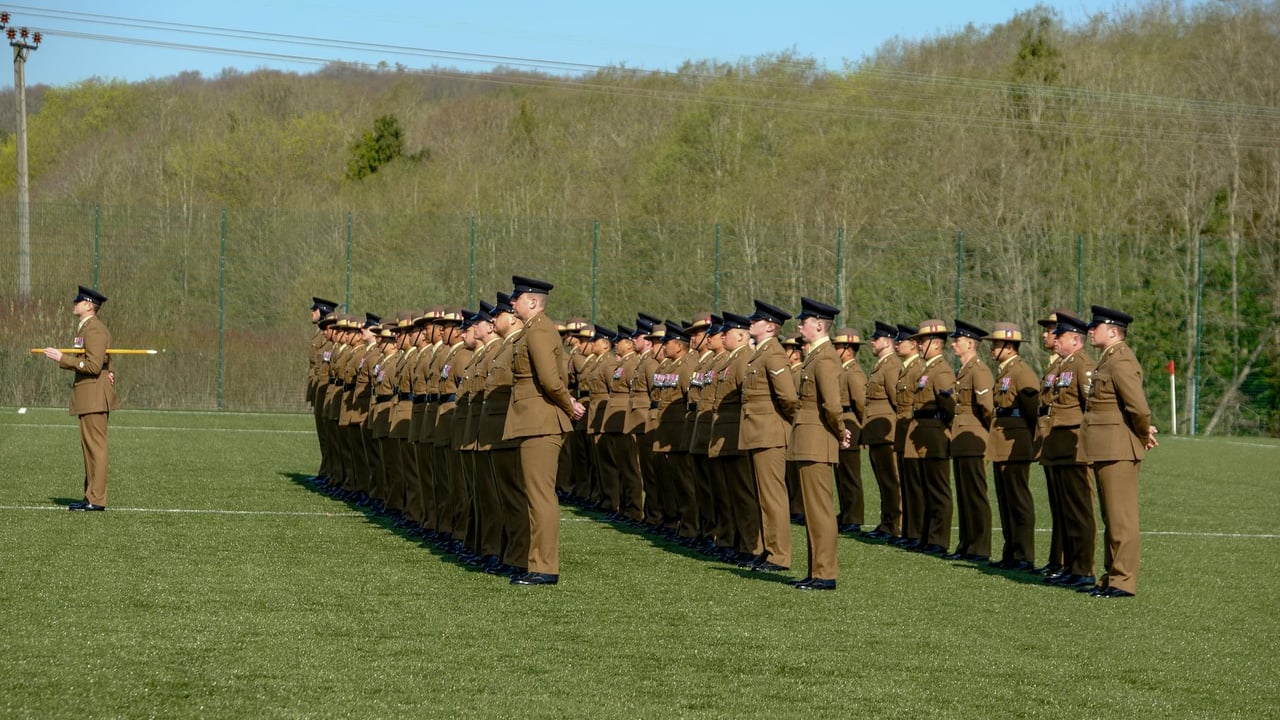

Queen Máxima of the Netherlands has enlisted as a reservist in the Dutch army at age 54, undertaking basic military training after being formally given the rank of soldier. Photographs released by the palace show her practising pistol shooting, rope climbing and drill; the royal household says she will be promoted to lieutenant-colonel after completing her course. Her decision follows a recent wave of royal military participation in the Netherlands, including her daughter, Princess Amalia, who was promoted to corporal last month.
The palace framed Máxima’s choice as a response to shifting security realities, saying that “our security can no longer be taken for granted.” The move comes against a wider European backdrop in which several governments are bolstering armed forces and seeking to reduce dependence on U.S. military guarantees. Military training among European royals is not unprecedented, but it is more common for such training to occur earlier in life; Máxima’s mid-career enlistment is therefore notable for its timing and optics.
Reservists in the Netherlands serve part time, balancing civilian lives with periodic military duties and deployments when required. For a queen consort to take that path is primarily symbolic: it publicly aligns the monarchy with national defence, offers visible solidarity with service members, and can serve as a morale-boosting gesture for the armed forces. The images and the promotion promise are designed to normalise military service as a civic responsibility rather than an exclusive state function.
Politically and geopolitically the decision functions as quiet signalling. At NATO tables and in domestic debate, capitals are eager to show seriousness about collective defence; a senior royal’s enlistment reinforces that narrative at home and abroad. The Netherlands has been part of European debates on how to rebalance spending, readiness and dependence on allies since Russia’s invasion of Ukraine reshaped security priorities across the continent.
Domestically, the move is likely to bolster the monarchy’s standing among constituencies that value civic duty and tangible engagement. It may blunt some criticism that royals live apart from the duties they symbolise. Yet the gesture risks being read as cosmetic unless accompanied by sustained policy measures — increased recruitment, improved servicemember support, or tangible defence investments — that address the material needs of the armed forces.
What to watch next is whether Máxima’s enlistment translates into measurable effects: a boost in reservist recruitment, broader royal advocacy for veterans and defence budgets, or follow-on gestures by other public figures. Equally important will be political reactions if opponents portray the move as a PR exercise rather than a substantive contribution to national security. For now, the enlistment is a high-visibility affirmation that the Netherlands’ elite institutions view the security environment as more demanding than before.