

The US National Oceanic and Atmospheric Administration (NOAA) issued an alert on Feb. 5 after a powerful solar flare erupted on Feb. 4 and drove geomagnetic disturbances near Earth. The flare was classified X4.2 — part of the X‑class of flares that represent the highest intensity on the standard scale — and monitoring showed the planet experienced a G1 (minor) geomagnetic storm on Feb. 5 with further G1 activity possible on Feb. 6 and 8.
NOAA noted that X‑class flares can brighten suddenly and release energy over a matter of minutes to hours. When they occur on the Sun’s side facing Earth they can be accompanied by coronal mass ejections (CMEs) that send clouds of high‑energy particles into near‑Earth space. Such events can cause abrupt changes in the direction and strength of Earth's magnetic field and disrupt electromagnetic systems.
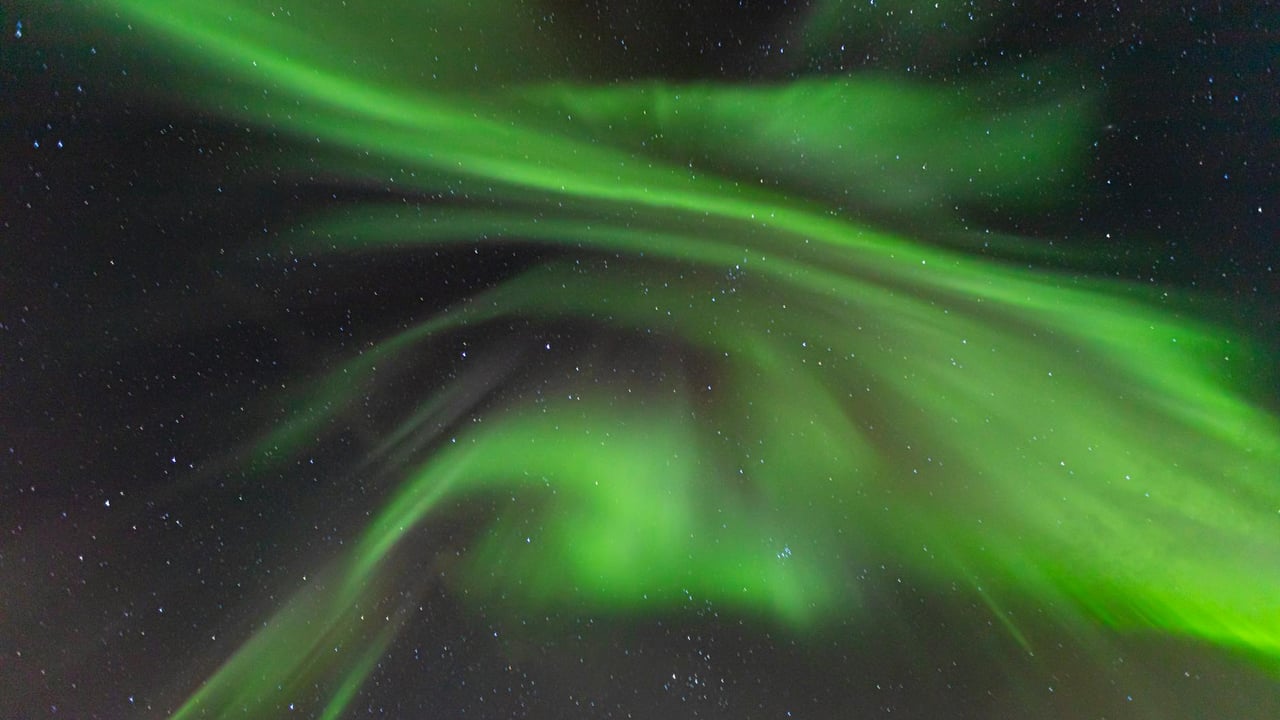
Immediate operational effects highlighted by the agency include attenuation or interruption of high‑frequency (HF) radio communications on the Sun‑lit side of Earth, potential impacts to some satellite operations, and the possibility of auroral displays at high latitudes over North America. At the G1 level, effects are typically limited — such as minor power grid fluctuations in polar regions and brief degradation of satellite navigation or communication — but operators from utilities to satellite fleets pay close attention to even modest alerts.
This flare follows a stretch of heightened solar activity; media feeds on the same day referenced an even larger X8.1 event earlier in the month. Together, these bursts point to an active sunspot region rotating into an Earth‑facing position, increasing the chance that further energetic eruptions could be geoeffective in the coming days.
From a scientific perspective, not all X‑class flares drive Earth‑directed CMEs or severe geomagnetic storms. The severity of space‑weather effects depends on the CME’s speed, density and magnetic orientation upon arrival at Earth, as well as the timing relative to pre‑existing solar wind structures. Forecasting agencies therefore combine flare observations with coronagraph imagery and in‑situ solar wind measurements to refine impact predictions and lead times for vulnerable infrastructure.
For governments and commercial operators, this episode is a routine but useful reminder of the vulnerability of modern systems to space weather. Aviation services that rely on HF communications for polar routes, satellite internet and Earth‑observation providers, and grid operators in high latitudes are the most exposed to interruptions. Even when storms remain at G1, transient anomalies can cascade if unmitigated across tightly coupled networks.
NOAA’s alert does not signal an imminent major outage, but it illustrates why continuous monitoring and international data sharing are essential. As the Sun progresses through its active phase, incremental investments in forecasting, hardening of critical assets and clearer operational protocols for alerts will reduce the risk that a transient solar event converts into a wider technological disruption.