China Orders Network of National 'Compute' Hubs to Accelerate AI and Industrial Digitisation

China's MIIT has instructed the construction of regional and industry interconnection nodes to standardise and accelerate the sharing of computing power across the country. The policy sets capital and licensing thresholds that channel build-and-operate roles to well‑funded construction entities and licenced telecom or cloud operators, shaping which firms will supply national AI and industrial compute services.

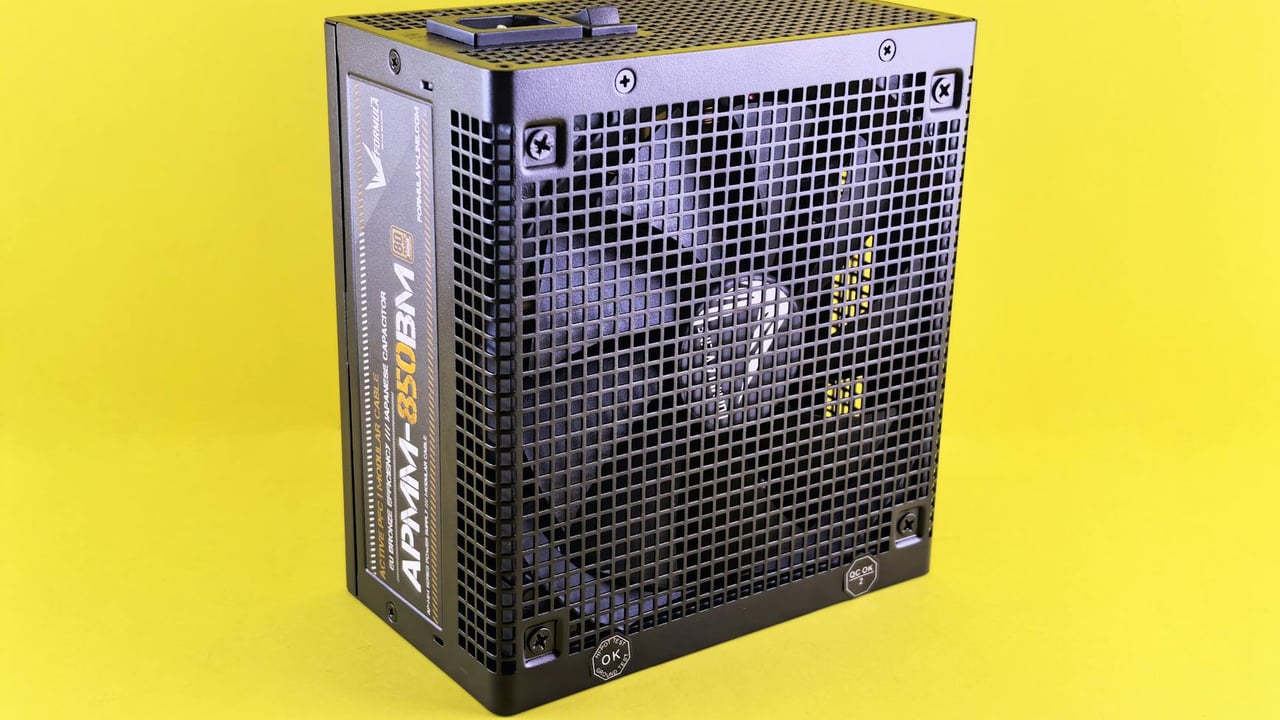
Black computer power supply unit with fan displayed against yellow background.

Key Takeaways

  • 1MIIT issued a notice to build national compute interconnection nodes with separate regional and industry tracks to standardise resource sharing and interoperability.
  • 2Regional nodes will provide unified platforms for registration, scheduling, resource aggregation, monitoring and security; industry nodes will deliver sector-specific market services and connect to regional nodes.
  • 3Construction entities must have at least RMB 50 million registered capital; operating entities must hold telecom business licences (except public institutions) and meet facility, personnel and integrity requirements.
  • 4The rules favour licenced telcos and large cloud/data-centre operators, likely accelerating demand for AI accelerators, data-centre capacity and networking equipment.
  • 5The programme advances China's AI self-reliance and increases regulatory control over compute and data flows, with implications for competition and innovation.

Editor's
Desk

Strategic Analysis

This notice is less about a technical blueprint than about governance and market design. By prescribing platform functions and imposing capital and licensing thresholds, MIIT is shaping an ecosystem in which licenced operators—principally state-owned telcos and large cloud providers—become the default guardians of national compute fabric. That has three strategic effects: it channels investment into scalable, interoperable infrastructure needed for large AI models and industrial applications; it concentrates operational control in entities already subject to tight regulatory oversight, allowing Beijing to manage security and data‑sovereignty risks; and it raises barriers to entry for smaller players and startups unless they partner with incumbents. The success of the scheme will depend on execution: whether node standards are genuinely interoperable rather than reinforcing vendor lock‑in, how pricing and access are governed, and whether the programme can match rising AI compute demand without creating bottlenecks or energy and cost pressures. Internationally, a domestically standardised compute network strengthens China's technological autonomy and may accelerate competitive pressure on cloud and chip vendors worldwide.

China Daily Brief Editorial
Strategic Insight
China Daily Brief

China's Ministry of Industry and Information Technology (MIIT) has launched a centralised programme to build national computing-power interconnection nodes, aiming to standardise how compute resources are registered, scheduled and shared across regions and industries. The notice establishes two complementary tracks: regional nodes to knit together local compute supply and demand, and industry nodes to concentrate and marketise compute resources for specific sectors.

Regional nodes will host unified service platforms that provide identification and registration, interconnection scheduling, resource aggregation and selection, operational monitoring and security management. MIIT envisions these platforms as comprehensive “compute-internet” service centres that make different architectures and providers interoperable and allow computing capacity to flow efficiently between areas.

Industry nodes will run sector-specific platforms that aggregate computing resources, manage compute identifiers and enable market-based selection of services; they must interconnect with the regional nodes. The aim is to create an integrated topology so that, for example, manufacturing, finance or healthcare can tap standardised compute pools tailored to their compliance and performance needs.

The ministry set entry conditions to limit who can build and operate the nodes. Applicants must name a construction entity with at least RMB 50 million in registered capital and sustained funding capacity, and an operating entity that holds the required telecom business licences (other than public institutions), has appropriate facilities, equipment and personnel, and has no major credit or integrity breaches in the past three years.

The policy is a significant piece in Beijing's broader strategy to secure a domestic compute backbone for artificial intelligence and industrial digitalisation. By defining technical functions and institutional qualifications, MIIT is steering the market toward interoperable platforms while concentrating operational authority in licenced operators—principally telecom carriers and large cloud or data-centre firms.

If implemented at scale, the node programme will expand demand for data‑centre capacity, specialised AI accelerators and networking gear, favour established incumbents and create new opportunities for chipmakers and system integrators. It will also tighten the regulatory architecture around compute and data flows, reinforcing state oversight of critical infrastructure at a time when Beijing is prioritising technology self-reliance.

Share Article

Related Articles

📰
No related articles found