
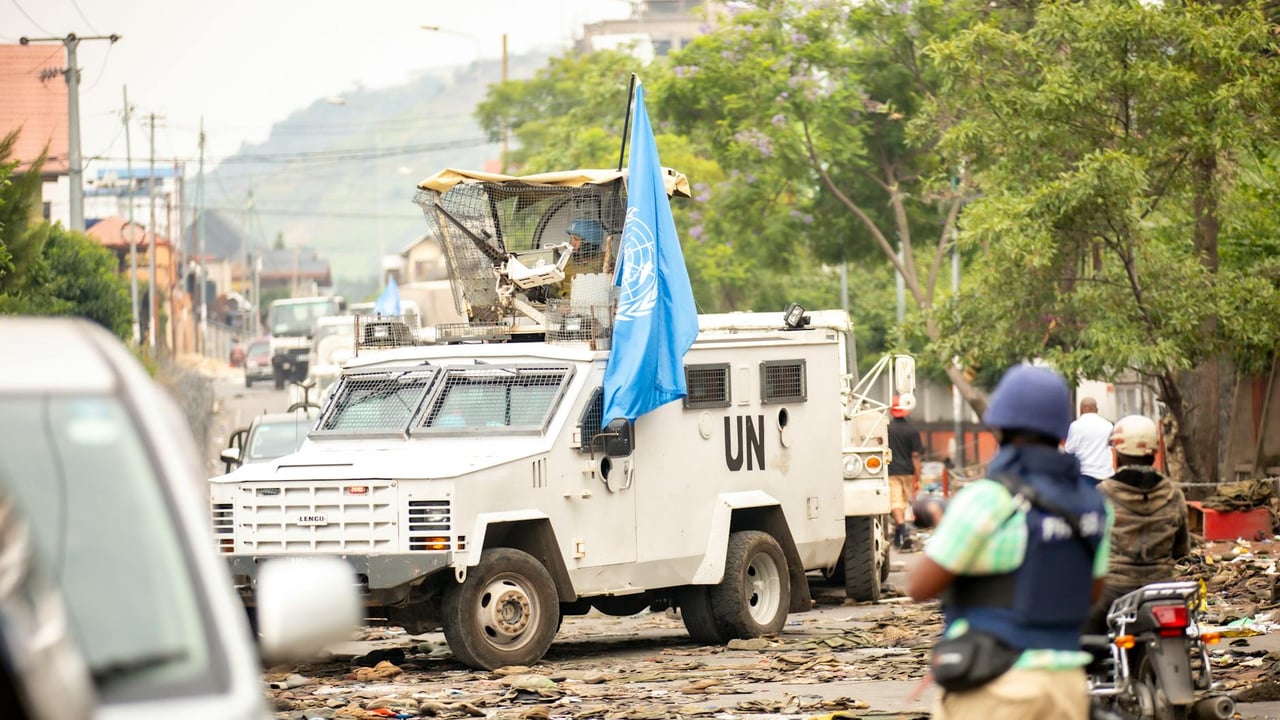

The United Nations secretary-general, António Guterres, issued a brief statement on 6 February welcoming the resumption of talks between Iran and the United States and expressing hope that the discussions would help ease regional tensions and prevent a broader crisis. Guterres thanked regional governments for their role in facilitating the meetings and singled out Oman for providing the venue.
The secretary-general reiterated the UN’s long-standing position that disputes should be resolved peacefully and in accordance with the UN Charter, arguing that all concerns can and should be addressed through dialogue. The statement frames the talks as consistent with a rules-based approach to conflict management and signals the UN’s approval of diplomatic engagement over escalation.
This moment matters because direct engagement between Tehran and Washington, however limited, reduces the immediate risk of miscalculation in an already volatile region. Over the past decade, interruptions in communication have fed proxy clashes, maritime incidents and episodic escalation; even narrowly focused discussions can create channels for de‑confliction and confidence‑building that diminish the chances of inadvertent spiral into a larger confrontation.
Practical constraints remain. The UN statement does not detail the talks’ agenda, participants or expected timeline, and both capitals face domestic and regional pressures that may limit concessions. Regional players—from Gulf states to Israel—will watch closely; some may see diplomacy as constructive, while others will push for harder lines, raising the risk that negotiations will be tactical and fragile rather than transformative.
If sustained, however, such engagement could have wider repercussions: it could lower premiums in energy and shipping markets by reducing near‑term risk, open space for broader multilateral diplomacy, and allow international institutions to play a more active mediation role. Conversely, a collapse or public disagreement could harden positions on both sides and increase the prospect of further regional destabilisation, underscoring that the success of these talks will depend on follow‑through and concrete confidence‑building measures.