Forging Readiness Under Fire: Chinese Peacekeepers Hold Live‑Fire Drills in South Sudan

China’s 12th peacekeeping infantry battalion in Juba conducted its first live‑fire training since deployment, testing small arms and sniper systems under extreme heat to sharpen combat readiness. The drills combined realistic scenarios with systematic data collection, drawing praise from UN staff and signalling China’s emphasis on professionalising its peacekeeping forces.

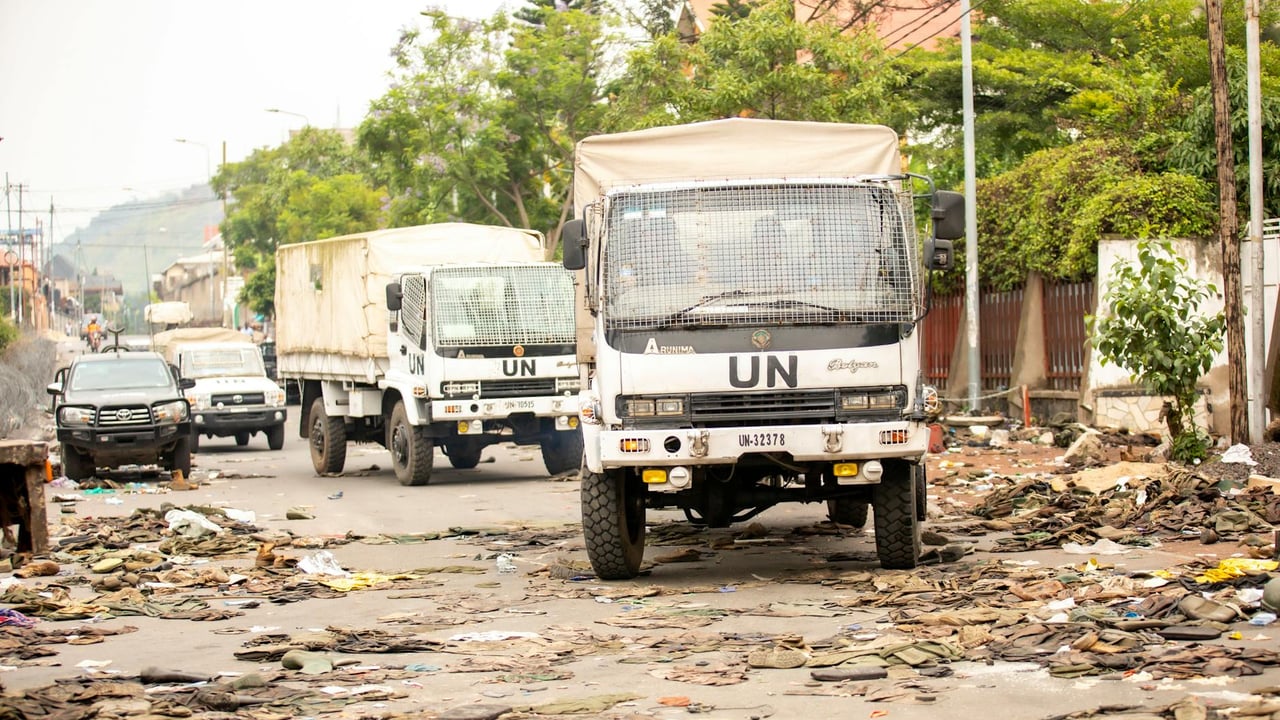
UN trucks travel through a debris-filled street, highlighting urban challenges.

Key Takeaways

  • 1China’s 12th peacekeeping infantry battalion in Juba held its first live‑fire exercises on Feb 4, testing pistols, rifles and sniper rifles under extreme heat.
  • 2Training emphasised realistic scenarios, rapid reaction, continuous fire and psychological resilience, with systematic data collection on weapon performance and shot distribution.
  • 3UN staff commended the unit’s discipline and professionalism; commanders said the drills improve readiness for the unpredictable South Sudan mission environment.
  • 4The exercise underscores China’s continued investment in UN peacekeeping and the PLA’s growing expeditionary and data‑driven training practices.

Editor's
Desk

Strategic Analysis

This live‑fire exercise is more than a routine marksmanship session: it is a calibrated signal of capability, professionalism and intent. Operating under UN mandate, Chinese peacekeepers are simultaneously strengthening the protection of civilians and showcasing Beijing’s willingness to shoulder burdens in international security. The methodical use of data to evaluate performance reflects a modernising force that learns from training cycles — a trend visible across the PLA. Strategically, such deployments serve dual purposes: they advance Chinese soft power through constructive multilateral engagement while building operational experience that feeds back into the military’s broader expeditionary competencies. For the UN mission in South Sudan, better‑trained contingents reduce risk and can improve mission effectiveness, though Beijing’s expanding role also invites scrutiny about how China balances peacekeeping norms with its own strategic interests abroad.

China Daily Brief Editorial
Strategic Insight
China Daily Brief

On February 4, under a blistering sun and a ground temperature approaching 50°C, China’s 12th peacekeeping infantry battalion in Juba conducted its first live‑fire exercise since arriving in South Sudan. The exercise — described by unit leaders as a rehearsal of ‘‘real combat’’ standards — brought together pistols, rifles and sniper systems to test weapons, personnel and procedures in conditions designed to mirror the mission area’s volatility.

Commanders framed the drills as a practical response to the complex and changing security environment in the UN mission area. Officers emphasised that realistic, high‑intensity training sharpens soldiers’ readiness for rapid response and emergency handling, and that training under stress bolsters both marksmanship and psychological resilience.

The program incorporated prone and standing firing positions, continuous‑fire and rapid‑reaction drills, and scenario elements intended to simulate battlefield confusion. Data collection accompanied each shooting session: rounds impact, score sheets and weapon performance were logged to guide follow‑up maintenance and targeted retraining, a methodical approach that underlines a professional, evidence‑based preparation ethic.

After the range, soldiers debriefed, inspected kit and reviewed target patterns; UN personnel praised the unit’s discipline and contribution to stabilising the mission area. Platoon leaders described the training’s value in building confidence for future operations and in ensuring that doctrine and equipment perform under operational conditions rather than in peacetime garrison settings.

Beyond immediate readiness, the exercise has wider implications. It demonstrates China’s continuing investment in UN peacekeeping as a practical avenue for projecting capability and credibility abroad, while illustrating how the People’s Liberation Army is professionalising expeditionary skills such as live‑fire drills, weapon calibration and data‑driven after‑action review — capabilities that have both defensive utility within peace operations and broader implications for the PLA’s overseas posture.

Share Article

Related Articles

📰
No related articles found