
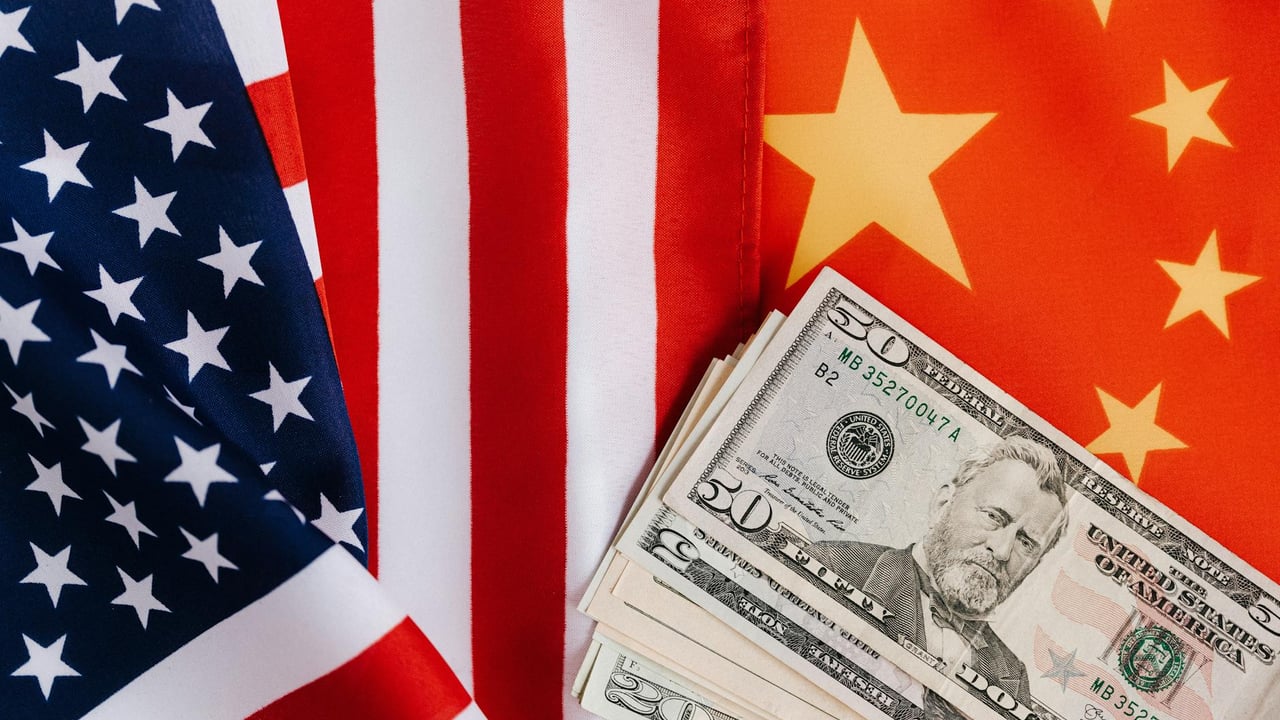

After the re‑election of General Secretary Su Lin, Hanoi sent its foreign minister on an expedited visit to Beijing and — privately — its armed forces circulated a stark internal warning: the United States retains a “bellicose nature” and Vietnam must prepare for the possibility of a “second US invasion.” The juxtaposition of an official diplomatic rapprochement with China and a secretive memorandum about American threat perception captures a renewed moment of strategic caution in Hanoi.
Vietnam’s foreign policy today is often described inside the country as “bamboo diplomacy”: deep roots, flexible posture. That metaphor helps explain why a nation that still quarrels with Beijing over the South China Sea would nonetheless double down on engagement as a hedge against larger uncertainties. The foreign minister’s trip to Beijing at the start of a new leadership term sends a clear signal that economic and security ties with China remain central to Vietnam’s risk management.
Historical memory is a persistent undercurrent. The trauma of war and the legacy of foreign intervention shape how Vietnam’s leaders interpret great‑power competition. Even as Hanoi has expanded ties with Washington — trade, investment and a so‑called comprehensive strategic partnership — institutional mistrust lingers in military and party circles. The leaked document’s blunt language about U.S. motives is less a literal prediction than evidence of a deeply embedded cautionary instinct.
The broader backdrop is intensifying U.S. engagement in the Indo‑Pacific: greater naval presence, expanded alliances and more vocal advocacy of democracy and human rights. For Hanoi this is a double‑edged sword. Economic and technical cooperation with Washington are valuable, but political pressure and military posturing can be perceived as intrusive and destabilising. The memo reflects an internal calculation that wartime memories, coupled with new pressure points, justify contingency planning.
That calculation has practical consequences. If Vietnam deems U.S. intentions potentially hostile, it will accelerate internal preparedness measures and lean harder on external partners that can offer tangible support. China, despite being a maritime rival, is an obvious candidate: Beijing is Vietnam’s largest trading partner and an able source of diplomatic cushions when regional tensions rise. Strengthening ties with Beijing therefore serves both economic goals and a strategic insurance function.
The balancing act is far from stable. Increased security cooperation with China risks alienating Washington and could constrain Vietnam’s room to manoeuvre in a game of great‑power competition. Conversely, closer alignment with the United States would antagonise Beijing and stir domestic political concerns about sovereignty and independence. Hanoi appears to be trying to preserve autonomy by remaining ambiguously aligned — avoiding formal blocs while preparing for a range of contingencies.
For regional audiences, the episode matters because it illustrates how middle powers respond to U.S.‑China rivalry: not by choosing a side immediately, but by sharpening defences and diversifying partners. Vietnam’s approach will influence Southeast Asian diplomacy, defence procurement patterns, and the operational calculus of both Washington and Beijing. The leaked military thinking is a reminder that strategic caution, and not merely economic interest, will shape the decisions of rising and middle states in the coming years.