
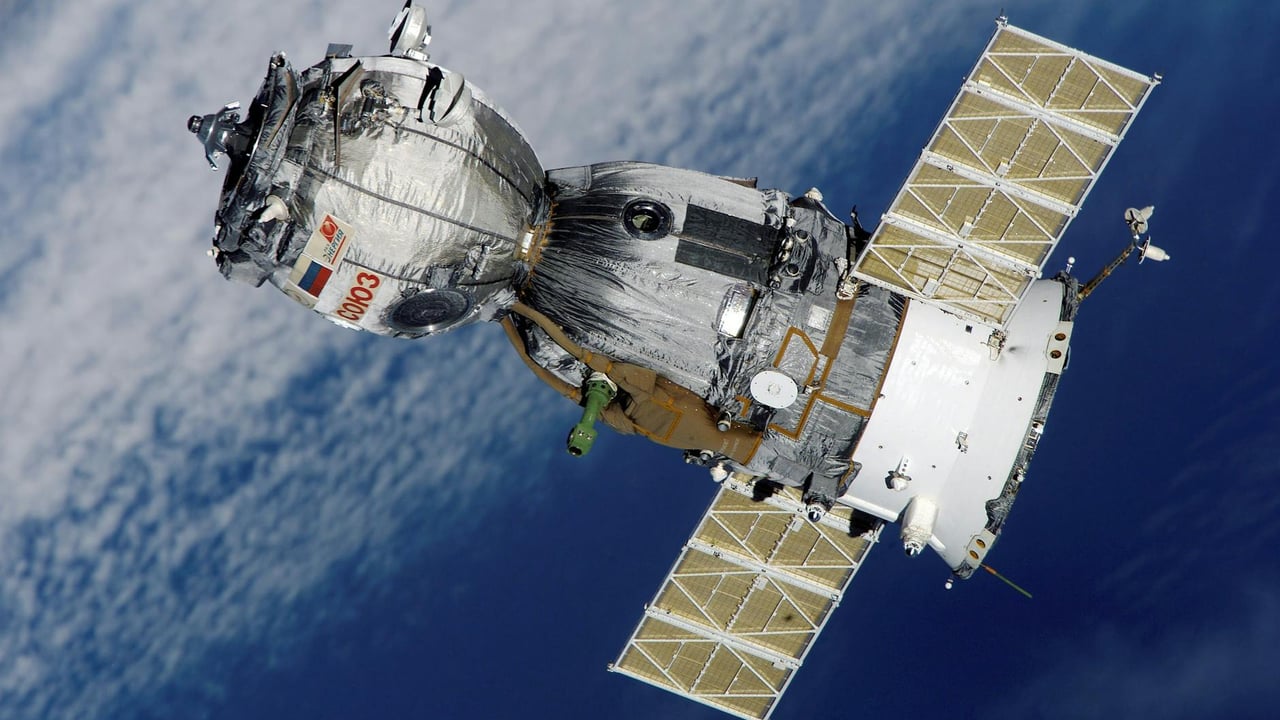

On February 7 China launched a reusable experimental spacecraft from the Jiuquan Satellite Launch Center using a Long March‑2F rocket, state media reported. The vehicle will undertake technology verification tests intended, in official language, to support the peaceful use of space.
The mission is modest in public description but important in technical and strategic terms. Reusable spacecraft—whether winged spaceplanes, boost‑glide vehicles, or returnable capsules—promise lower per‑flight costs and faster turnaround than expendable systems, and the test marks another step as Beijing pieces together those capabilities.
Jiuquan and the Long March‑2F are familiar fixtures of China’s human spaceflight programme; using a crew‑rated launcher for an unmanned reusability test underscores the institutional emphasis Beijing places on developing repeatable access to low Earth orbit. State messaging emphasised peaceful objectives, but the technologies being validated have clear dual civilian and military applications, from rapid satellite deployment and retrieval to on‑orbit servicing and responsive reconnaissance.
China has already signalled interest in reusable systems through prior experimental flights and research programmes; this launch should be seen as an incremental but concrete advance rather than a leap. Technical milestones to watch include the vehicle’s re‑entry profile, guided landing capability and refurbishing cycle—each determines whether reusability will materially cut costs and change operational tempo.
For international observers and commercial players, the test has multiple implications. A working reusable platform could accelerate the domestic commercial space sector by lowering launch costs and increasing flight cadence, while also complicating arms control and transparency in space because reusable vehicles can blur the line between civilian missions and rapid military missions.
Over the coming months China will likely conduct more flights and disclose limited technical details as the programme matures. How quickly Beijing moves from isolated demonstrations to routine, rapid‑turnaround flights will shape competition in near‑Earth space, influence global commercial launch markets, and prompt policy responses on norms and verification for dual‑use space systems.