Hibakusha Groups and City Councils Push Back as Tokyo Considers Weakening Japan’s Non‑Nuclear Pledge

Family members of Hiroshima and Nagasaki atomic‑bomb survivors and both cities’ councils have protested proposals by Prime Minister Sanae Takaichi’s government to revise the "no‑import" element of Japan’s Three Non‑Nuclear Principles. The protests underline the moral authority of hibakusha and foreshadow a contentious domestic and diplomatic debate over Japan’s nuclear posture and its role under the US security umbrella.

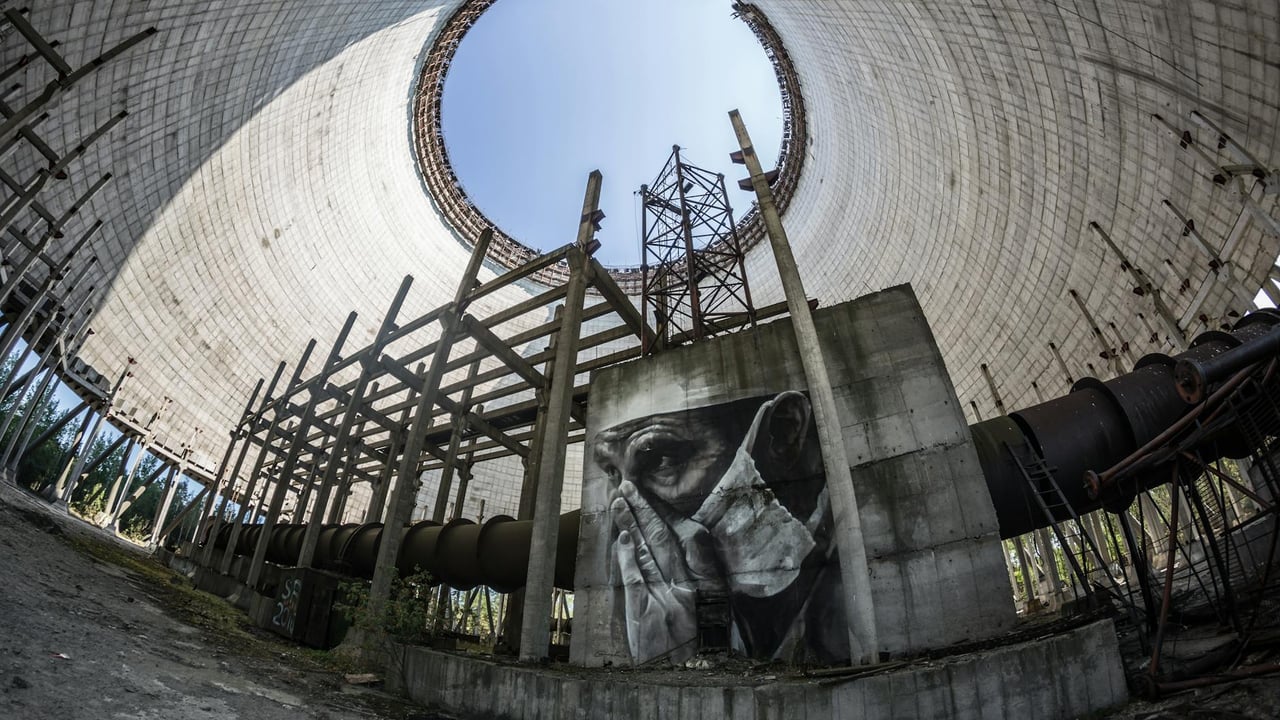
Fisheye lens captures graffiti inside an abandoned Chernobyl reactor.

Key Takeaways

  • 1Hibakusha family group met in Hiroshima and passed a resolution urging Japan to join the Treaty on the Prohibition of Nuclear Weapons and protesting changes to the Three Non‑Nuclear Principles.
  • 2Hiroshima and Nagasaki city councils adopted opinions on Jan 8–9 pressing the national government to respect survivors’ feelings and maintain the non‑nuclear commitments.
  • 3Reports indicate Prime Minister Sanae Takaichi is considering altering the "no‑import" principle in forthcoming security document revisions, touching off moral and strategic controversy.
  • 4Changes would have symbolic and diplomatic impact, affecting Japan’s postwar identity, its nuclear non‑proliferation credentials, and the dynamics of the US‑Japan security alliance.

Editor's
Desk

Strategic Analysis

The clash between municipal victims’ groups and a conservative national government is emblematic of a larger strategic recalibration in Tokyo. Rising regional threats have convinced many defence planners that closer operational integration with the United States is necessary, but Japan’s postwar taboo against nuclear weapons — enshrined politically if not legally — remains a potent constraint. For Takaichi, seeking greater flexibility in alliance arrangements can appear as prudent deterrence policy; for hibakusha, municipalities and a substantial portion of the public it would be a repudiation of the moral lessons of 1945. Internationally, a formal softening of the no‑import rule would complicate Japan’s diplomatic standing with advocates of nuclear abolition and could provoke uneasy questions from neighbours already suspicious of remilitarisation. Politically, the outcome will hinge on whether Tokyo’s leadership judges short‑term strategic signaling worth the domestic reputational cost, or whether it opts for ambiguous technical adjustments that avoid an explicit breach of long‑standing norms.

China Daily Brief Editorial
Strategic Insight
China Daily Brief

A coalition of family members of Hiroshima and Nagasaki atomic‑bomb survivors convened in Hiroshima on February 7 and adopted a resolution demanding that Japan accede to the Treaty on the Prohibition of Nuclear Weapons. The assembly also registered formal protest at moves by Prime Minister Sanae Takaichi’s administration to alter one of the postwar cornerstones of Japan’s security posture, the so‑called "Three Non‑Nuclear Principles."

Earlier this month both Nagasaki and Hiroshima city councils passed opinion statements urging the national government to heed the feelings of atomic‑bomb survivors and to uphold the principles of not possessing, not producing and not permitting the entry of nuclear weapons onto Japanese soil. Those municipal resolutions underscore the continuing moral and political weight carried by the hibakusha community and by the two cities most closely associated with Japan’s nuclear trauma.

The immediate dispute stems from reports that Prime Minister Takaichi is contemplating revisions to Japan’s security documentation — the set of papers that guide alliance policy and defence posture — which could loosen the “no‑import” commitment. That proposal fits into a broader debate inside Tokyo about how far to deepen operational cooperation with the United States and whether to accept more explicit burden‑sharing arrangements amid a more assertive China and repeated North Korean missile and nuclear tests.

Any change to the Three Non‑Nuclear Principles would be highly symbolic and politically combustible. Domestically, it risks alienating a wide swath of public opinion and the hibakusha networks that have long been Japan’s leading moral voices for nuclear abolition. Internationally, an explicit warming to the transit or hosting of nuclear weapons would complicate Japan’s image as a victim‑turned‑advocate for non‑proliferation and could strain ties with neighbouring states while testing the bounds of the US‑Japan alliance.

For now the confrontation is largely about narrative and legitimacy. City councils and survivors’ groups are using institutional levers and public protest to set red lines around national security policy. Whether Prime Minister Takaichi pushes ahead, retreats or seeks a technical compromise in the security documents will determine if this becomes a temporary rows or a defining rupture in Japan’s postwar nuclear norms.

Share Article

Related Articles

📰
No related articles found