
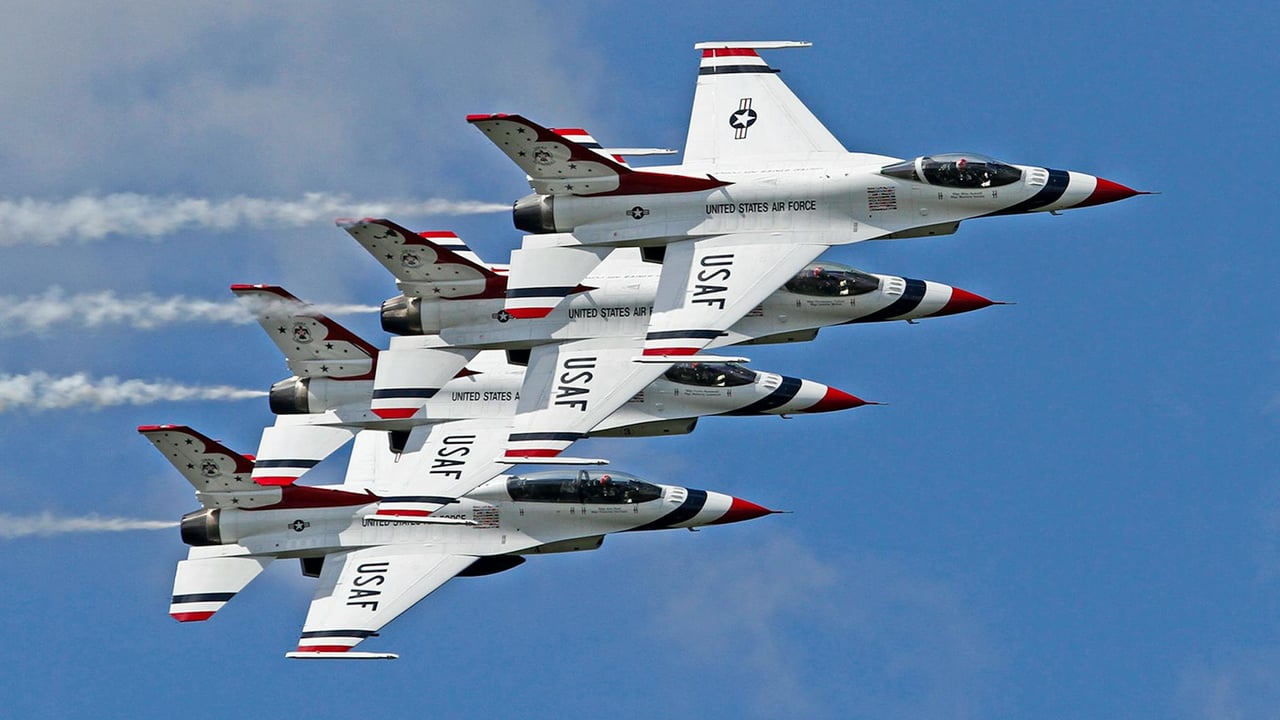

Britain has flown six F-35B stealth fighters to the Royal Air Force base at Akrotiri in Cyprus, a calculated move to harden a long-standing forward operating base amid renewed fears of wider conflict in the Middle East. The jets departed RAF Marham on 6 February and were dispatched to Akrotiri to strengthen the base's defenses and protect the surrounding sovereign base areas that remain under British control.
Akrotiri is one of the United Kingdom's two sovereign bases on Cyprus and serves as a key hub for intelligence, surveillance and reconnaissance as well as expeditionary air operations across the eastern Mediterranean and Levant. The F-35B’s short‑takeoff/vertical‑landing capability gives the RAF operational flexibility from austere locations, and its sensors and stealth provide both defensive coverage and a potent deterrent against strikes on the base.
The deployment comes at a sensitive diplomatic moment: talks between the United States and Iran, brokered by Oman, were held the same day and were described by leaders as serious and constructive, while the White House also announced that the US president had signed an executive order imposing tariffs on countries that maintain trade with Iran. Oman’s foreign minister called the discussions “very serious” and said further meetings were planned, underscoring the fragile balance between diplomacy and coercion in Washington’s approach.
Militarily, the dispatch of F-35Bs is a classic signalling move — designed to reassure British forces and allies in the region and to raise the costs of any adversary contemplating strikes that might threaten the base. Strategically, it also telegraphs London’s ability and willingness to project advanced air power independently of, but often in concert with, Washington. Yet such deployments carry the downside of being read by Tehran as escalatory, increasing the risk of miscalculation in an already volatile environment.
Looking ahead, the Akrotiri deployment is likely to be read in capitals across the region as both a defensive precaution and a bargaining chip. If negotiations between Washington and Tehran make headway, the jets may serve principally as a stabilising presence; if talks falter, the same posture could be expanded into broader coalition readiness, drawing other regional actors and Nato partners into closer operational alignment. Observers should watch for changes in sortie rates, rules of engagement, and whether further UK reinforcements or multinational assets are forwarded to eastern Mediterranean bases.