Hibakusha Families Protest Plans to Weaken Japan’s Non‑Nuclear Stance as Councils Urge Upholding the Three Principles

Relatives of Hiroshima and Nagasaki atomic‑bomb survivors protested in Hiroshima against Prime Minister Sanae Takaichi’s reported consideration of revising Japan’s “three non‑nuclear principles,” calling on Tokyo to join the Treaty on the Prohibition of Nuclear Weapons. Municipal assemblies in Hiroshima and Nagasaki have formally urged the central government to respect survivors’ feelings and retain the prohibition on possessing, producing or introducing nuclear arms.

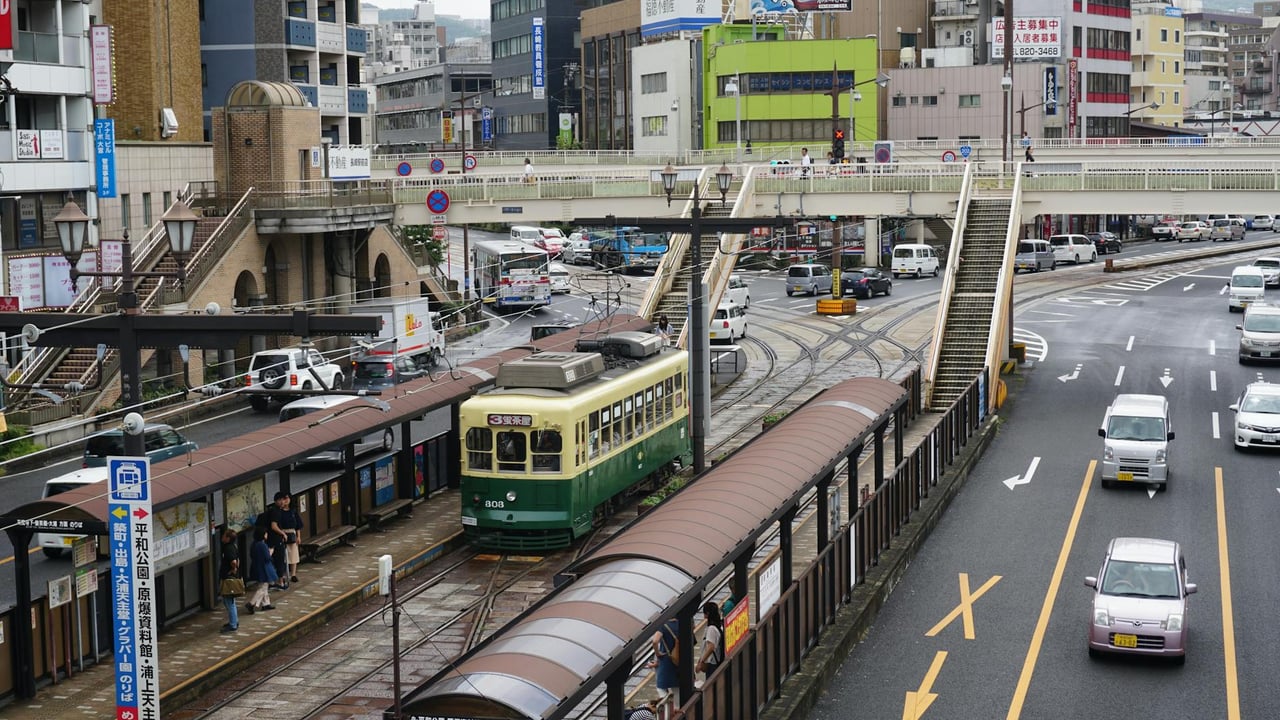
Urban scene in Nagasaki City featuring a tram and bustling street traffic with a pedestrian overpass.

Key Takeaways

  • 1On 7 February, a civic group of Hiroshima and Nagasaki atomic‑bomb survivors’ relatives protested in Hiroshima, demanding Japan join the Treaty on the Prohibition of Nuclear Weapons and opposing changes to the three non‑nuclear principles.
  • 2Hiroshima and Nagasaki city councils passed opinion letters on 8–9 January calling on the national government to uphold the non‑nuclear principles and respect the feelings of bombing survivors.
  • 3Reports say Prime Minister Sanae Takaichi is considering revising the “no‑introduction” element of the principles when amending the Security Three Documents, a move that would signal a departure from decades of Japanese postwar nuclear posture.
  • 4Any change would have domestic political costs—leveraging the moral weight of hibakusha opposition—and international consequences, complicating relations with the United States and stoking regional security concerns.

Editor's
Desk

Strategic Analysis

The episode exposes a recurring fault line in Japanese politics between security realists who want more flexibility under the U.S. nuclear umbrella and a powerful domestic consensus anchored by hibakusha, local governments and broader public opinion that prizes Japan’s postwar non‑nuclear identity. Takaichi’s reported maneuvering suggests conservatives in Tokyo are trying to reframe deterrence policy amid an increasingly volatile East Asian security environment, but the bar for durable policy change is high: legal constraints, municipal pushback, and the symbolic force of Hiroshima and Nagasaki make any overt loosening politically costly. Internationally, even tentative moves could be seized by neighbours as evidence of a remilitarising Japan and would complicate Tokyo’s diplomatic positioning between non‑proliferation advocates and alliance management with Washington. Watch for how the government characterises revisions to the security documents—semantic tweaks that preserve deniability are more likely than a clean policy reversal—but the debate itself shifts Japan’s postwar nuclear norms onto the public agenda.

China Daily Brief Editorial
Strategic Insight
China Daily Brief

Hundreds of relatives of Hiroshima and Nagasaki atomic-bomb survivors gathered in Hiroshima on 7 February to condemn a reported push by Prime Minister Sanae Takaichi’s government to revise Japan’s long‑standing “three non‑nuclear principles.” The civic group, composed of survivors’ family members, adopted a resolution demanding that Tokyo accede to the Treaty on the Prohibition of Nuclear Weapons and formally protesting any attempt to dilute the commitment not to permit nuclear weapons into Japanese territory.

The demonstrations follow two municipal council motions in early January. On 8 and 9 January the Nagasaki and Hiroshima city assemblies each passed opinion letters urging the central government to heed the feelings of the cities battered by atomic bombing and to adhere strictly to the principles that Japan will not possess, produce or introduce nuclear weapons.

The controversy stems from reporting that Prime Minister Takaichi is weighing changes to the so‑called “Security Three Documents” that could alter the “no‑introduction” limb of the non‑nuclear principles. That limb—historically invoked to bar nuclear weapons from Japanese soil or ports—has been a politically and emotionally charged red line because of the memories and moral authority of the hibakusha, the survivors of the 1945 bombings.

Any formal shift would be more than a domestic debate. It would test Tokyo’s balancing act between reassurances to ordinary Japanese citizens and strategic alignment with Washington’s deterrence posture, while also feeding regional anxieties in Beijing and Pyongyang. Even hinted changes have already mobilised local governments and survivor groups, signalling that legal or policy adjustments, even if narrowly framed, will face stiff political resistance and international scrutiny.

Share Article

Related Articles

📰
No related articles found