Elbit to Fit Israel’s New CH‑53K Fleet with Israeli Systems as Air Force Modernises Heavy‑Lift Capacity

Israel has contracted Elbit Systems to supply equipment upgrade packages for the CH‑53K heavy‑lift helicopters it ordered, part of a broader rotorcraft modernisation that also includes a proposed AH‑64E Apache purchase. The move combines US airframes with Israeli systems to tailor capability to local needs while deepening defence‑industrial ties and logistical dependencies with the United States.

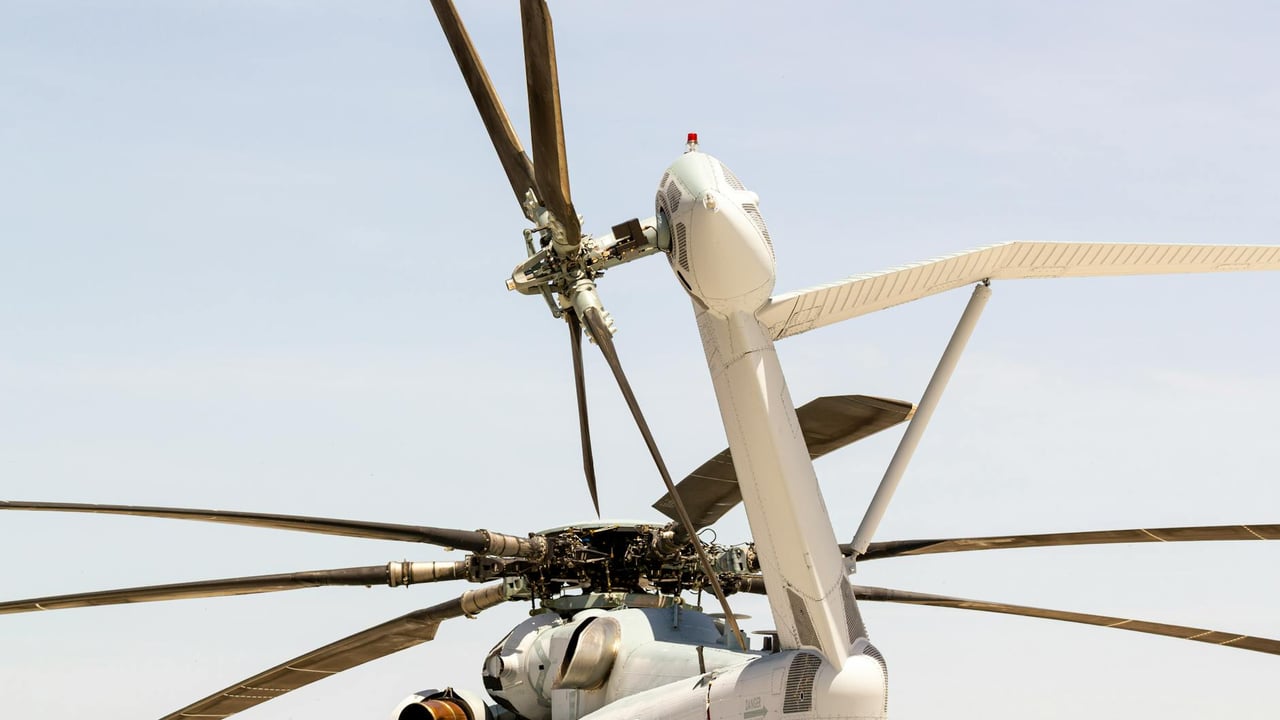
Detailed view of a CH-53 helicopter rotor at Camp Lejeune, North Carolina.

Key Takeaways

  • 1Elbit Systems will provide equipment upgrade packages for more than ten CH‑53K heavy helicopters Israel has ordered from Sikorsky.
  • 2The CH‑53K (King Stallion) was approved for Israeli purchase in December 2021 and will replace 21 legacy CH‑53s with service lives of 50–58 years.
  • 3New CH‑53Ks are powered by three GE T408 engines and will be adapted with Israeli avionics, EW and communications to meet operational requirements.
  • 4Israel is concurrently pursuing a potential $3.8 billion acquisition of 30 AH‑64E Apaches to modernise its attack helicopter fleet.
  • 5The integration underscores US‑Israel defence ties, benefits Israel’s domestic defence industry, but raises certification and sustainment coordination challenges.

Editor's
Desk

Strategic Analysis

Elbit’s contract is more than a supply deal: it is a strategic effort to fuse US airframe capability with Israeli mission requirements. That fusion accelerates indigenous competency in integrating complex sensors, self‑protection systems and mission computers onto modern rotorcraft, giving the IAF platforms better tailored situational awareness and survivability. For Washington the arrangement is acceptable and desirable—Israel gets advanced US hardware while preserving its ability to customise systems for unique operational needs—but it also locks in cross‑border dependencies for maintenance, software updates and component supply. Regionally, the upgraded CH‑53K fleet will enhance Israel’s ability to conduct long‑range lift, casualty evacuation and special‑forces operations, altering operational calculations in scenarios that require rapid strategic mobility. The main downside is programme risk: US production bottlenecks and the added complexity of bespoke Israeli integrations could delay delivery and initial operational capability, making good project management and US‑Israel coordination essential.

China Daily Brief Editorial
Strategic Insight
China Daily Brief

Israel has tapped domestic defence firm Elbit Systems to supply an equipment upgrade package for the more-than‑ten CH‑53K heavy-lift helicopters it ordered from Sikorsky. The CH‑53K “King Stallion,” a US Marine Corps design, was approved for Israeli purchase in December 2021 and will be introduced under the local project name “Perekh” to replace an ageing fleet of CH‑53s.

The arrival of the CH‑53K comes as part of a wider rotary‑wing modernisation effort. Israel plans to retire 21 legacy CH‑53 airframes that, by Cirium’s accounting, have served 50–58 years. The new type is powered by three GE Aviation T408 engines and brings markedly greater payload, range and survivability than the old machines it will supplant.

Elbit’s role is commercially and strategically significant. Providing mission systems, defensive aids and platform integration for US‑built airframes both strengthens Israel’s domestic defence industrial base and ensures the helicopters are tailored to Israeli operational needs. Israeli avionics, electronic warfare and communications suites are widely used across the country’s air and ground forces, and their integration will determine how well the CH‑53K performs in contested environments.

The procurement sits alongside another major rotary purchase: a proposed $3.8 billion deal for 30 Boeing AH‑64E Apaches to replace 26 older A‑model attack helicopters, while Israel continues to operate 22 AH‑64D examples. Taken together, the purchases represent a concentrated push to refresh Israel’s rotary capabilities across heavy lift and attack roles, improving sustainment and interoperability with US systems.

Operationally, modern CH‑53Ks equipped with Israeli systems would expand Israel’s strategic lift and combat support options, from rapid troop and equipment movement to missile defence and special operations tasks. The combination of US airframes and Israeli systems also underscores the close defence relationship with Washington, but it will require close coordination over export controls, certification and logistics between US suppliers, Elbit and the Israeli Defence Forces.

Risks and timelines remain relevant. The CH‑53K programme in the United States has experienced production and testing challenges in the past, and integrating bespoke Israeli equipment can add complexity and certification burdens. For Elbit and Israel’s defence sector, however, the work represents a valuable opportunity to deepen technical know‑how, secure follow‑on sustainment contracts and shape how these aircraft are used in Israeli service.

Share Article

Related Articles

📰
No related articles found