Iran Puts Air Force on Highest Alert, Sending a Regional Deterrence Message

Iran’s armed forces chief of staff announced that the air force is at the highest state of readiness, presenting the posture as defensive deterrence while warning adversaries of severe consequences for aggression. The move signals Tehran’s intent to shape regional calculations amid ongoing tensions with the US, Israel and Gulf states, and raises the risk of miscalculation if actions follow the rhetoric.

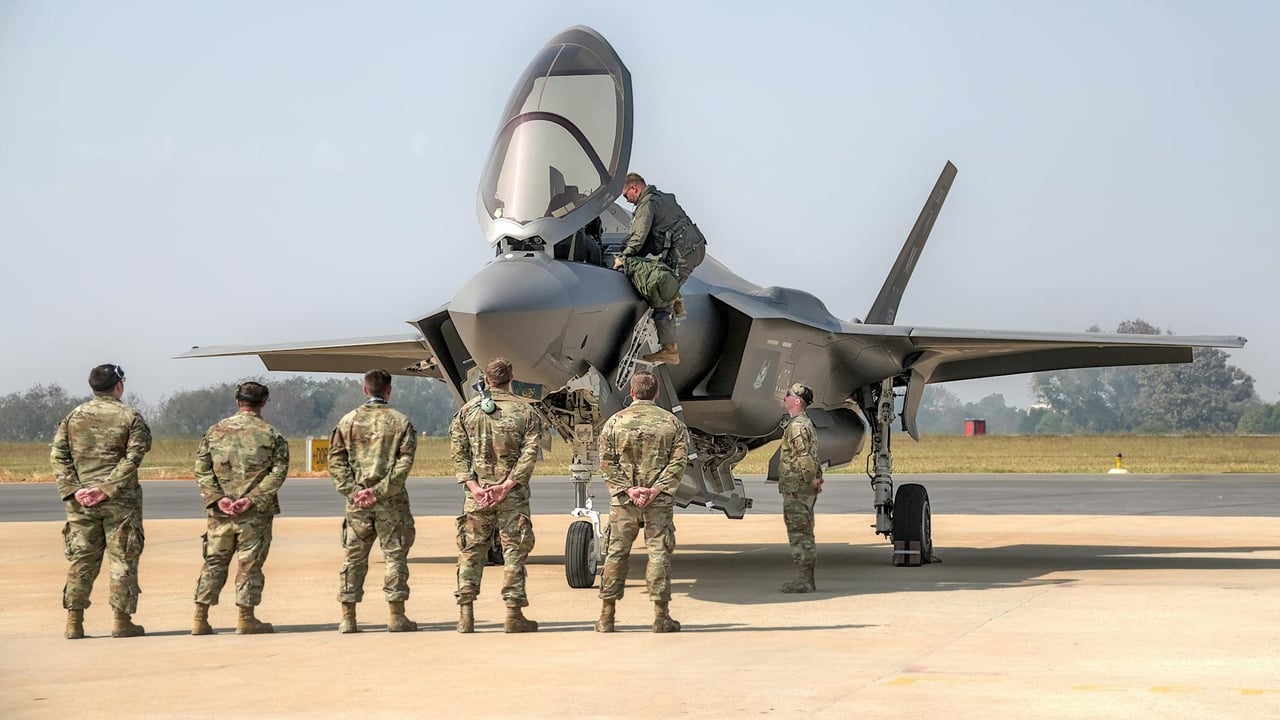
Soldiers observing a fighter jet at an air show in Bengaluru, India.

Key Takeaways

  • 1On Feb. 7, Iran’s armed forces chief of staff Mousavi said the air force is at “highest readiness,” coordinated with other branches.
  • 2The statement framed readiness as deterrence: Iran will not start wars but will defend its security and territorial integrity decisively.
  • 3The announcement targets regional adversaries and their backers, warning of strategic failure and high costs for aggression.
  • 4Context includes sustained tensions with the US, Israel and Gulf states and Iran’s growing aerial and missile capabilities.
  • 5A readiness posture is a signalling tool that lowers immediate costs for Tehran but elevates risks of miscalculation and regional escalation.

Editor's
Desk

Strategic Analysis

This announcement is primarily strategic messaging designed to deter adversaries and reassure domestic audiences without provoking an immediate kinetic response. By placing the regular air force on high alert and highlighting inter-service coordination, Tehran communicates improved command-and-control and readiness that could complicate opponents’ operational planning, particularly for air and naval missions in the Gulf. The line between signalling and escalation will be managed in the months ahead: if Tehran couples rhetoric with visible deployments, test-firings, or heightened air intercepts, Western and regional militaries will likely respond with their own posture adjustments, increasing the danger of inadvertent clashes. Diplomatically, the message recalibrates leverage — it underscores Iran’s capacity to raise the costs of confrontation and could be used as bargaining leverage in parallel diplomatic or proxy negotiations.

China Daily Brief Editorial
Strategic Insight
China Daily Brief

Iran’s armed forces chief of staff, Mousavi, announced on February 7 that the country’s air force has been placed in a “highest state of readiness,” coordinated with other service branches and prepared to respond firmly to any threats or acts of aggression. The declaration, made on Iran’s Air Force Day and carried by the Tasnim news agency via Xinhua, framed the posture as a defensive stance that accentuates deterrence and the protection of national security and territorial integrity.

Mousavi emphasized that while Iran will not initiate war, it will not hesitate to defend its core interests, warning that any adventurism by adversaries would end in strategic failure and would risk widening conflict across the region. He suggested that attackers and their backers would pay heavy and irreversible costs should they attempt to challenge Iran’s sovereignty or security, language intended for both domestic and foreign audiences.

The announcement should be read against a backdrop of sustained regional tensions. Tehran faces simmering conflicts with Israel and persistent friction with the United States, alongside ongoing competition with Gulf states and proxy dynamics across Iraq, Syria, Lebanon and Yemen. Over the past years Iran has expanded its aerial toolkit—investing in drones, missiles, air-defence systems and limited conventional upgrades—so declarations about air force readiness have both symbolic and operational resonance for rival capitals monitoring the airspace and maritime routes of the Persian Gulf.

The immediate practical impact of the statement depends on follow-on actions. A readiness posture by itself is a low-cost signal of deterrence, intended to shape adversaries’ calculations without crossing thresholds that invite retaliation. Nevertheless, repeated public alerts elevate the risk of miscalculation: heightened patrols, intercepts, or accidental engagements can cascade into broader crises. For foreign governments and commercial actors in the region, the announcement is a reminder to recalibrate contingency planning and diplomatic messaging to avoid escalation while testing Iran’s red lines.

Share Article

Related Articles

📰
No related articles found