
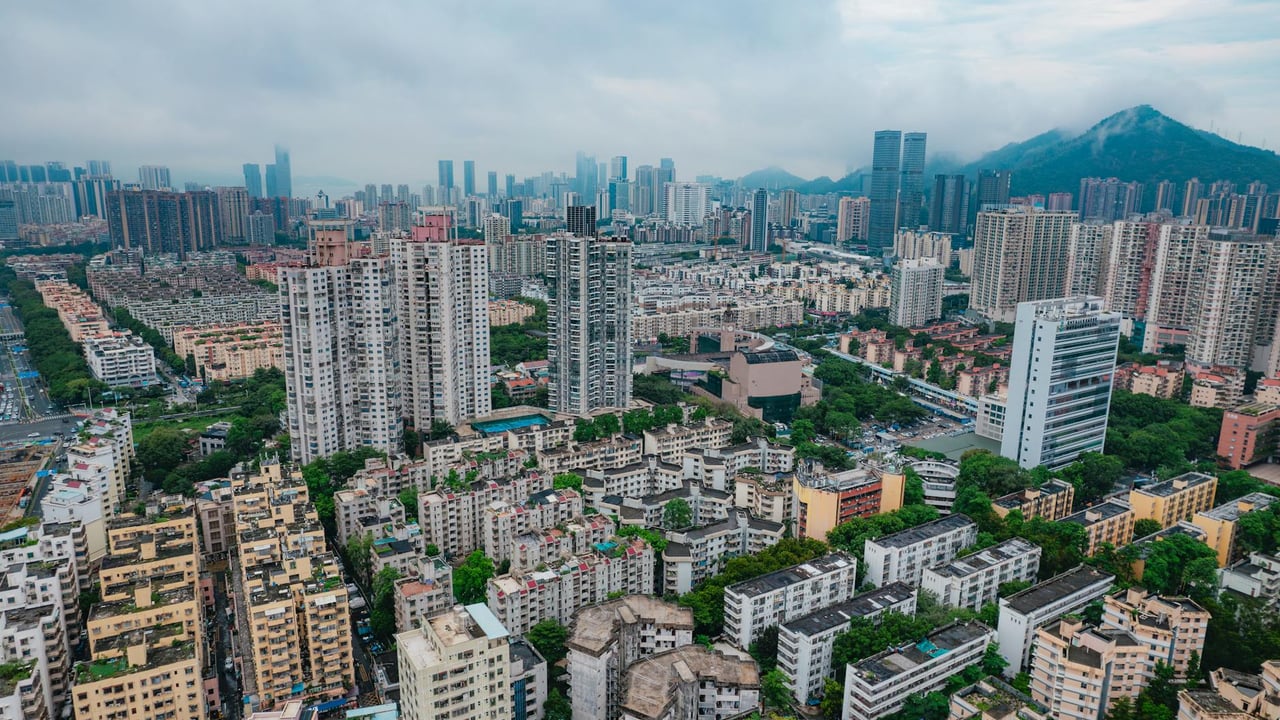

Guangdong’s permanent population reached about 128.59 million in 2025, an increase of roughly 790,000 from the year before and a fresh historical high. The province remains China’s economic frontrunner for the 37th consecutive year and has now held the top population spot for 19 years, widening its lead over other provinces even as the national population fell.
The province’s growth runs counter to a broader national pattern of declining population. While China recorded negative population growth last year, Guangdong posted both a substantial natural increase and a sizable net inflow of migrants, pushing up the ceiling for what a single Chinese province can sustain demographically.
Guangdong’s birth tally was particularly notable: about 1.003 million newborns in 2025, the highest in the country for an eighth straight year and the only province to exceed one million births for six consecutive years. With roughly 9.2% of China’s resident population but 12.7% of its births, Guangdong is disproportionally supporting the national birth statistics and helping stabilise the country’s demographic base.
Migration, more than fertility, explains Guangdong’s long-term ascent. The province’s resident population has climbed from just over 50 million in 1978 to its current level, driven by waves of inland migration that have made Guangdong a magnet for young workers. In 2025 roughly 290,000 of the province’s population gain came from natural increase, while about 500,000 came from net in-migration.
The composition and resilience of Guangdong’s labour market help explain that magnetic pull. Its industrial mix — centred on electronics, modern light industry and textiles, advanced materials, smart appliances and automotive manufacturing — generates high volumes of jobs across skill levels. Shenzhen stands out as a major draw for young migrants and ranks highly among Chinese cities for birth rates, while cultural factors sustain relatively high fertility in parts of the province such as Chaoshan.
That concentration of people and employment carries fiscal and social consequences. Guangdong is a major net contributor to national pension adjustments and fiscal transfers, and its demographic dynamism underpins national employment and consumption. At the same time, rapid population growth intensifies demand for housing, public services and infrastructure, and complicates social-insurance calculations as local governments balance contributions and liabilities.
Viewed globally, a province with more than 128 million residents would rank close to the world’s tenth largest country by population, larger than Japan. Domestically, Guangdong now sits comfortably ahead of other populous provinces such as Shandong and Henan, with a gap that has widened to roughly 30 million people and shows little sign of narrowing in the near term.
China’s policy pivot from “investing in things” to “investing in people” makes Guangdong especially consequential. The province is both a testbed and an engine: how it integrates migrants, sustains fertility among urban and migrant populations, and maintains employment-intensive growth will matter for national attempts to stabilise births and keep a productive, younger workforce.