
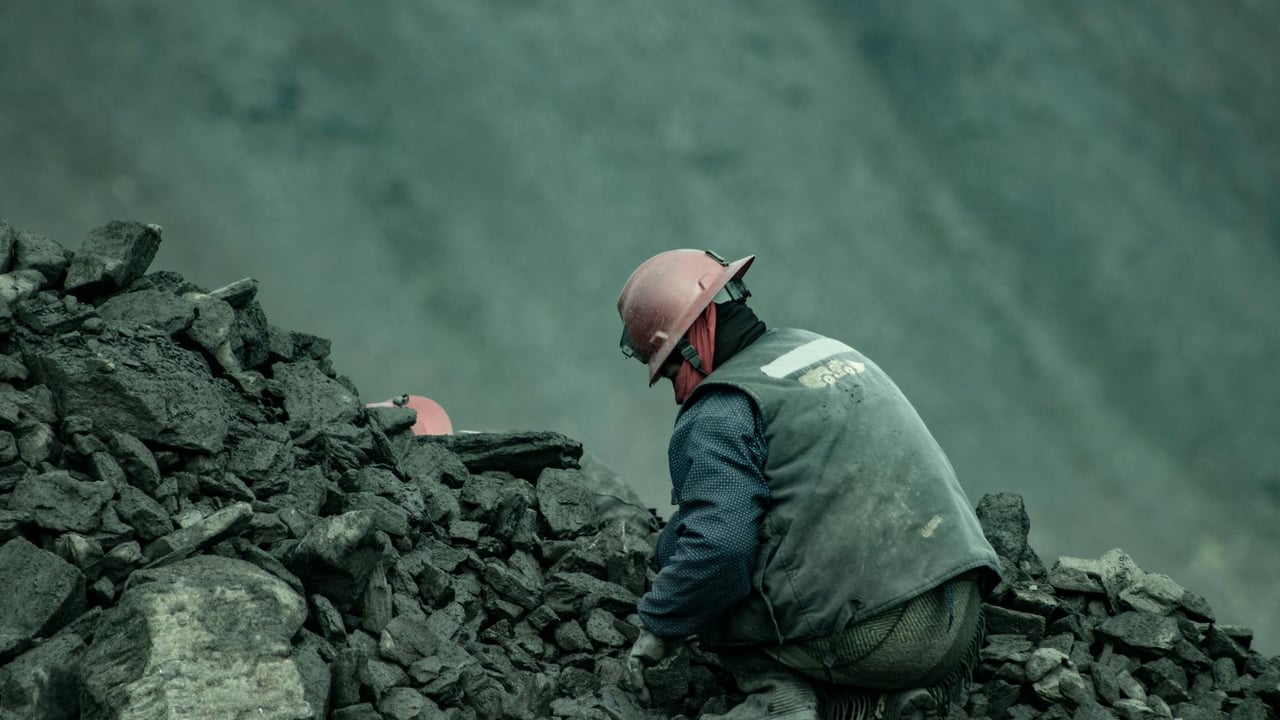

A vertical-shaft accident at the Canzhuang gold mine in Zhaoyuan on 7 February killed seven workers and prompted a formal investigation into both the cause of the accident and whether the operator, Zhaojin Mining (1818.HK), concealed the incident. The state news agency Xinhua said the Zhaoyuan emergency bureau announced the collapse on the morning of 7 February and that emergency, public security and other departments had launched parallel inquiries into the accident and alleged underreporting by the company.
Markets reacted immediately. Zhaojin’s Hong Kong-listed shares opened down more than 8% on 10 February and were still showing weakness mid-morning, reflecting investor concern about operational disruption, regulatory exposure and corporate transparency. When approached by a reporter posing as an investor, a company operator told reporters the accident would not affect revenue in the short term but repeatedly deferred or failed to answer direct questions about whether the affected shaft had been shut and whether the company had delayed reporting the accident.
Public records show the Canzhuang mine is a Zhaojin affiliate established in 2009 with an annual processing capacity of 750,000 tonnes, located about 20 kilometres northwest of Zhaoyuan city under Xinzhuang town. Local regulators had fined the mine twice in 2025: in July for inadequate emergency supplies and in October for ventilation and electrical capacity deficiencies. Those prior enforcement actions underscore existing safety shortfalls at the operation and provide regulators a record to build any enforcement case.
A probe that encompasses both technical causes and alleged concealment elevates the stakes beyond a local industrial accident. In China, failure to report or actively concealing safety incidents can bring heavy administrative fines, criminal liability for responsible individuals, and broad operational consequences including suspension or closure of mine workings. Regulators have in recent years shown a willingness to pursue high-profile enforcement actions to set examples, particularly when fatalities occur.
For investors and counterparties the immediate questions are operational continuity, the scope of the investigation and potential legal and financial penalties. Zhaojin’s initial public posture—limited disclosure and unanswered inquiries—will increase scrutiny from shareholders, analysts and regulators alike. The company’s ability to demonstrate rapid, credible safety remediation and transparent cooperation with investigators will be critical to restoring market confidence.
Longer term, the incident highlights structural risk in China’s mid-sized mining sector: ageing shafts, under-resourced emergency preparedness and spotty compliance with technical standards. It also illustrates how local enforcement actions documented in public records can presage more consequential regulatory follow-ups when accidents occur. Watch for the investigation’s technical findings, the identity and culpability of any individuals named, and whether provincial or national regulators escalate the case into a broader campaign of enforcement that could affect other regional operators.