
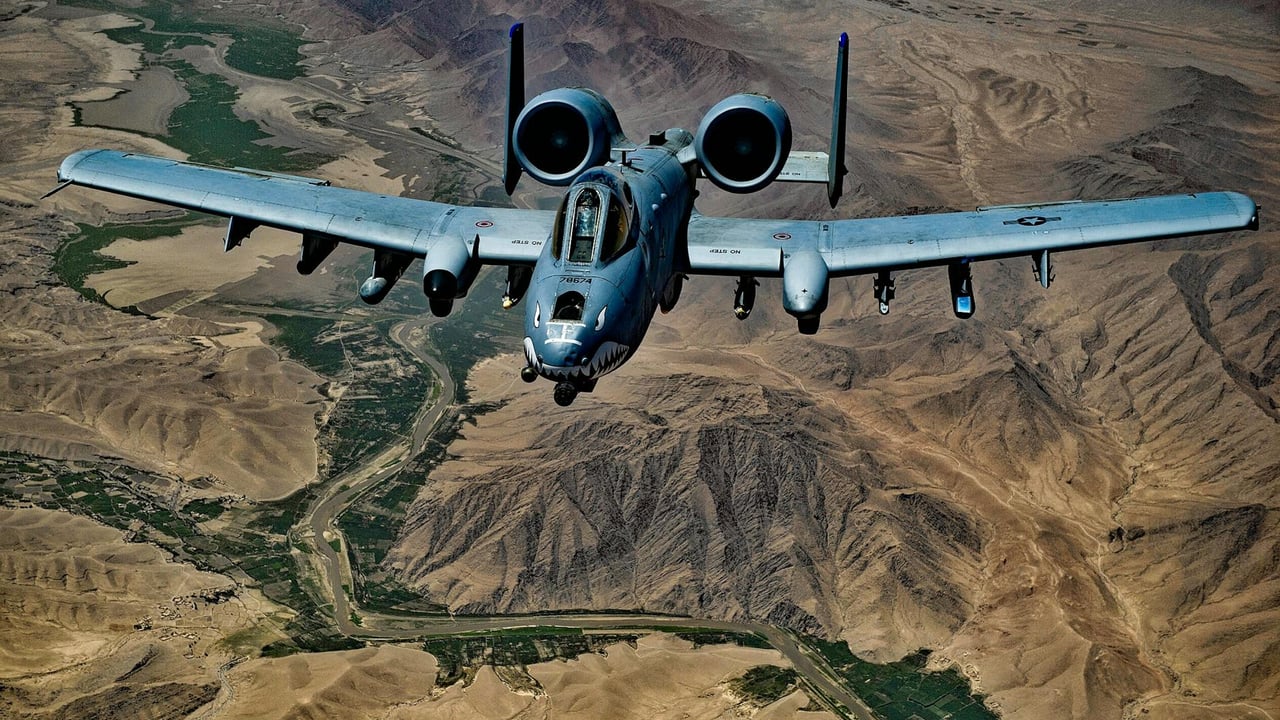

Chinese state media has published new footage showing a South Theater Command aviation brigade conducting cross–day-and-night red‑blue air-combat training with J-10 fighters. Jets representing opposing forces flew into a designated mission area and immediately engaged in a sequence of contested operations: reconnaissance, electronic interference, target locking and defensive breakaways. The short clip emphasizes high-tempo maneuvering and system‑level confrontation rather than individual dogfighting.
The exercise profile — continuous operations across day and night — underlines the PLA Air Force’s push to train for sustained missions and to practice the integration of sensors, electronic warfare and weapons employment under realistic conditions. By staging “red v. blue” scenarios, the brigade simulated contested airspace in which platforms must find, fix and strike while also defending against detection and targeting. State outlets framed the footage as a demonstration of technical skill and operational intensity.
This type of training matters because it reflects broader Chinese military priorities: improving joint warfighting, honing electronic and information‑domain capabilities, and preparing aircrews to operate in contested environments such as the Taiwan Strait or the South China Sea. The J-10, a multirole fighter that forms a backbone of China’s tactical fighter force, is being exercised not just as an individual aircraft but as a node within a larger kill chain that includes reconnaissance, jamming and coordinated strike assets.
For external audiences, the images serve both operational and political purposes. Operationally, they indicate a continuing emphasis on realistic, night-capable training and on the ability to sustain operations beyond daylight hours. Politically, polished footage of modernized training sends a deterrent message to regional rivals and to foreign militaries operating nearby, while reinforcing domestic narratives about the PLA’s increasing competence and readiness.
At the same time, the clip also has limits as an indicator of capability. Visual drama and selective editing do not disclose the sophistication of sensors, data links, munitions loadouts or command‑and‑control procedures involved, nor do they reveal pilot proficiency over time. The J-10 remains a non‑stealth, fourth‑generation platform; the PLA’s broader capacity to prevail in high-end anti-access environments will depend on integration with more advanced sensors, longer‑range strike assets and resilient logistical support.
Seen in context, the release is part of a steady stream of Chinese reporting that normalizes intensive, high‑fidelity training as routine. Expect more frequent public releases of similar footage as Beijing seeks to demonstrate deterrence and reassure a domestic audience that the air force is prepared for modern, high‑intensity conflict — even as neighbors and external powers read those signals for changes in posture and escalation risk.