
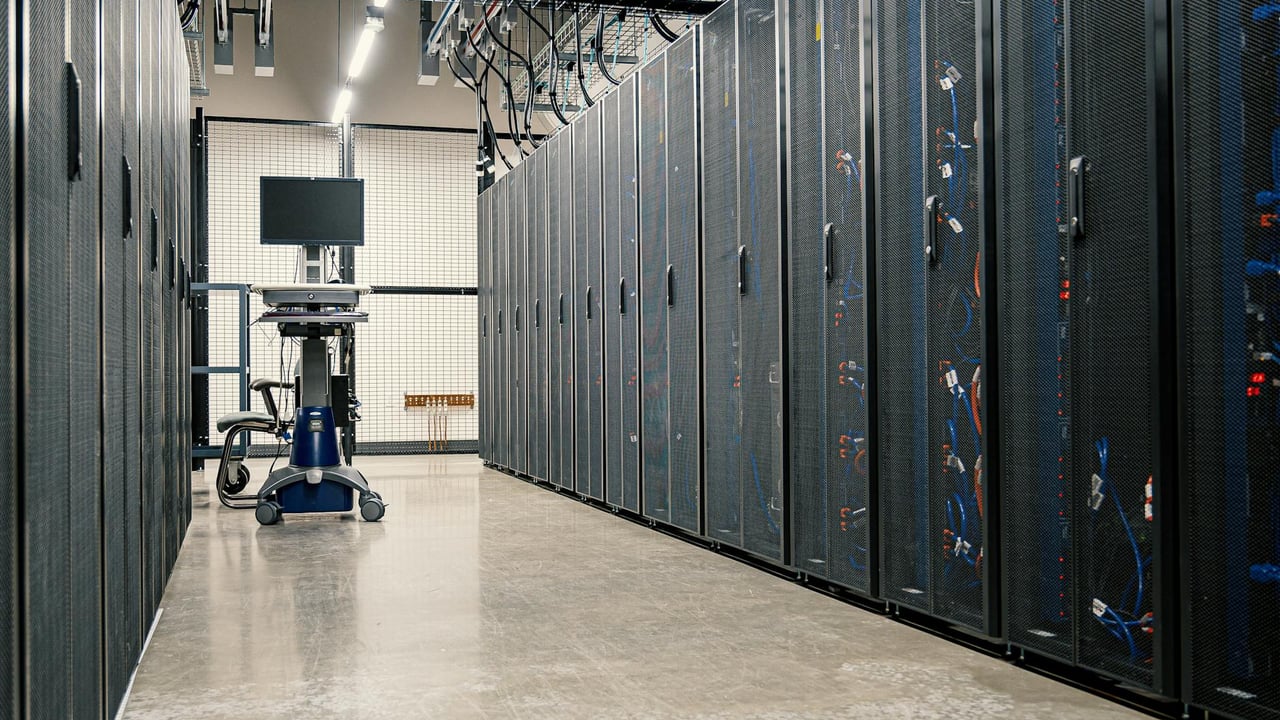

Meta announced it will break ground on a new data‑centre campus in Lebanon, Indiana, a project the company says will deliver roughly 1 gigawatt of capacity and represent more than $10 billion in investment across the facility and surrounding community. Construction is expected to create over 4,000 short‑term construction jobs and about 300 permanent operations roles, underscoring the scale of the build and the local economic footprint Meta intends to generate.
At 1 GW — 1,000 megawatts — the planned site is unusually large for a single data‑centre campus and signals a deliberate push by Meta to add mass compute close to the U.S. heartland. Hyperscale facilities of this size are designed to serve heavy workloads such as large‑scale artificial intelligence training and inference, immersive services tied to mixed reality, and the relentless growth in video and social‑media traffic that the company operates.
For the local economy the headline figures are striking: thousands of construction roles, municipal investment and supply‑chain activity during the build phase, and a smaller but stable cohort of technical and maintenance staff once the centre is live. Yet the number of permanent jobs — hundreds rather than thousands — reiterates a familiar pattern: data centres deliver significant capital and tax receipts but relatively modest long‑term employment compared with older industrial projects.
The project raises immediate questions about electricity supply and environmental planning. A 1 GW draw will require major transmission capacity and coordination with regional utilities, while also testing commitments to lower carbon footprints. Tech companies have increasingly paired new data centres with renewable‑energy purchases, battery projects and efficiency investments; whether the Indiana campus follows that template will matter to local regulators and corporate sustainability stakeholders.
This announcement also fits a broader industry trend: hyperscalers continue to place large bets on physical infrastructure even as software and AI systems advance. Siting another massive campus in the American Midwest reflects a mix of economics, politics and resilience — proximity to talent, favourable local incentives, and the strategic goal of dispersing capacity across the United States amid tightening global tech competition.
Risks are not trivial. The project could face permitting and grid upgrade delays, escalating costs, and community scrutiny over land use and environmental impacts. At the same time, advances in chip efficiency, architectural shifts in AI workloads, or changes in demand could alter the long‑term capacity calculus, leaving the company exposed to sunk infrastructure costs if growth assumptions prove too optimistic.
For policymakers and local leaders, the Meta investment crystallises a recurring dilemma: how to balance the immediate economic gains from large tech capital projects with broader questions about energy policy, workforce development, and the kind of industrial base communities want to build. For Meta, the Indiana campus is a high‑stakes bet that more compute, sited closer to users and data, will pay dividends in an era defined by AI and immersive online services.