
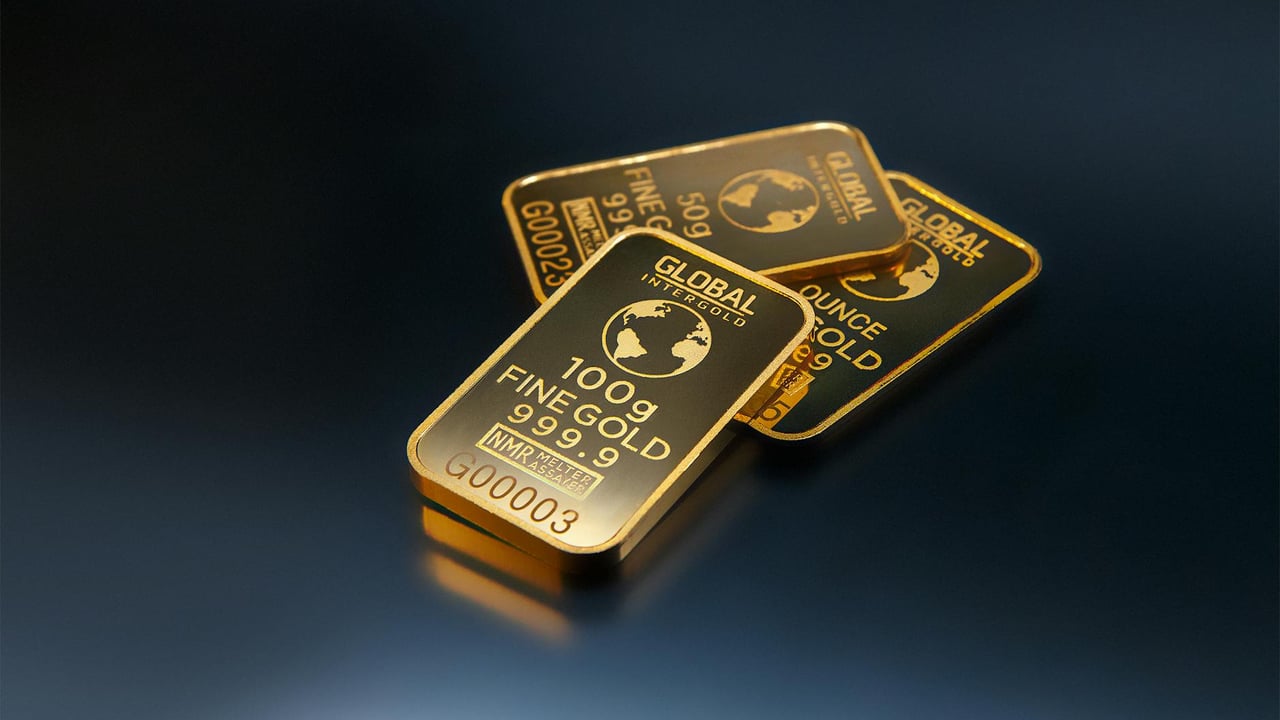

Over the past ten years the price of gold has been rewritten from a sleepy inflation hedge into a central pillar of global reserves and retail portfolios. What began a decade ago with spot prices below $1,100 an ounce has, through episodic shocks and a steady reassessment of risk, climbed more than 300% to peaks above $5,000 per ounce in early 2026. That trajectory reflects not only macroeconomic drivers—slumping real rates, sustained central-bank purchases and episodic geopolitical panic—but also a shift in how institutions and households treat tangible assets.
The rout and rebound of 2026—when spot gold briefly hit $5,500 on January 29 before plunging into the mid-$4,000s and rallying back above $5,000—illustrates two themes of the new market: amplified volatility and persistent underlying demand. Across 2024 and 2025 the market experienced extraordinary momentum: 2024 saw roughly 40 new monthly highs and a near-30% annual rise on loose monetary policy and geopolitical unease, while 2025 produced an even more dramatic surge with prices climbing more than 60% and setting 53 fresh all-time records. Central banks have been a decisive marginal buyer: official holdings rose to the equivalent of roughly $3.69 trillion by the third quarter of 2025, accounting for near 29% of reported official reserves.
Those institutional moves are reshaping the narrative that once confined gold to the margins of reserve management. Emerging and advanced economies alike have increased gold’s share in their reserve baskets as a diversification against currency concentration and political risk. The world is also more multipolar and less confident in a single-currency settlement regime; the dollar’s share of global reserves has fallen below 57%, marking the longest stretch under 60% since data collection began. In that context gold’s appeal as a non-sovereign, tangible asset has widened beyond traditional safe-haven buying.
Macro shocks have punctuated the ten-year rise. Brexit in 2016 and the US election that year began a period of renewed attention to gold; trade frictions and looser monetary settings helped prices surge again into 2019. The pandemic and its fiscal and monetary aftermath pushed 2020 prices higher still, while Russia’s 2022 invasion of Ukraine triggered an acute flight to safety that briefly pushed prices above $2,000. Even as inflation and subsequent rate hikes caused intermittent pullbacks, central-bank net purchases hit record levels in 2022 and 2025, underwriting a structural bid underneath the market.
Retail behaviour has evolved in parallel. In markets such as China, where physical gold has cultural resonance, retail demand has broadened from occasional purchases of jewelry to systematic accumulation—both in bullion and new digital-physical products. Domestic jewellery prices rose from roughly RMB 300 per gram in 2015 to around RMB 1,000 per gram by 2025, while mainstream brands began quoting prices nearer RMB 1,700 per gram in early 2026 during the international spike. That intersection of cultural saving habits and investment seeking has amplified local price sensitivity and contributed to domestic–international price dislocations at times.
The current environment, however, is not one of unalloyed certainty for gold investors. Short-run gyrations—fast climbs followed by sharp retracements—underscore gold’s sensitivity to changes in real interest rates, dollar liquidity and speculative flows. The World Gold Council and market strategists note that returns over the next year will hinge less on headline stories and more on the trajectory of global real rates and the transparency and scale of central-bank purchases. In short, gold’s role is expanding, but so too is its complexity as an asset in multi-asset portfolios.
For global investors and policymakers the implications are practical. Asset allocators must decide how much of a portfolio will be exposed to a metal now treated as a quasi-reserve asset; central banks must weigh the optics and signalling of further purchases against the benefits of diversification; and emerging-market treasuries will monitor the interplay between reserve composition and exchange-rate stability. At the household level, the surge in gold prices raises questions about timing and financial literacy: high nominal returns attract attention, but volatile episodes punish undisciplined market timing.
Ultimately the decade-long gold rally is a symptom of broader structural shifts: lower and more volatile real interest rates, a more fragmented geopolitical order, and a sustained search for non-sovereign stores of value. Whether gold will continue its ascent depends on variables that are only partly within market control—chiefly how central banks diversify, how inflation expectations evolve and whether credible currency substitutes to the dollar emerge. For now, gold has moved from the margins to the mainstream, forcing a rethink about how durable, liquid and strategic assets should be priced and held.