
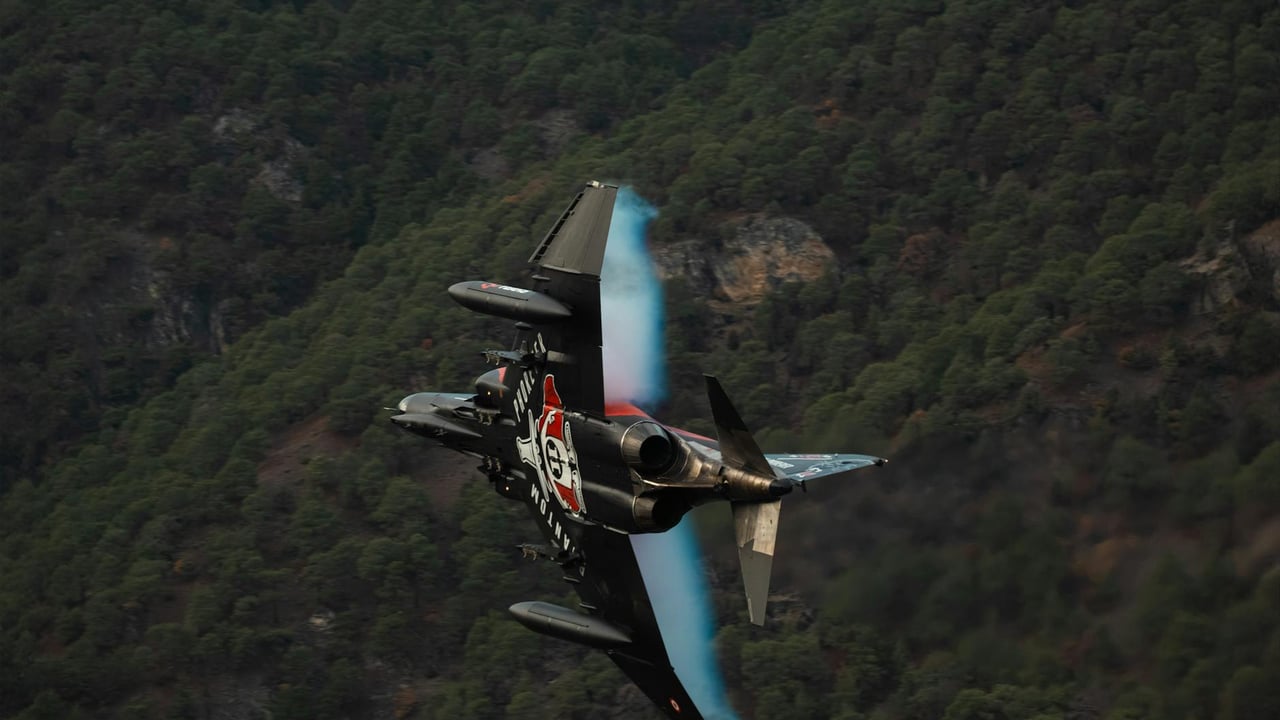

A drizzle‑soaked training area turned into a proving ground as an Eastern Theater Air Force aviation brigade used complex meteorological conditions to test pilots and procedures. Under low clouds and limited visibility, multiple fighters accelerated off the runway, pierced the mist and headed for a designated training zone to rehearse high‑intensity engagements and emergency handling.
Flight directors in the tower adapted plans in real time, recalibrating exercise parameters, tightening contingency procedures and seeding simulated special‑situation tests into the schedule. Pilots were pushed through scenario‑based checks and simulator examinations designed to sharpen decision‑making under degraded sensor and visual conditions, then held to exacting navigation and separation standards once airborne.
Once in the training area, opposing formations engaged in close, angular manoeuvring typical of contested air combat training, with lead aircraft directing wingmen through flanking attacks and dogfights that stressed coordination and situational awareness. Rapid turnarounds on the ground reinforced the operational rhythm: maintenance crews refuelled, replenished breathing gases and ran electrical checks before pilots climbed back into cockpits for another sortie.
The exercise highlights a deliberate push by the People’s Liberation Army Air Force to operate reliably in imperfect conditions. The Eastern Theater, which oversees waters and airspace adjacent to Taiwan and the East China Sea, has been a focal point for improving joint readiness and developing tactics to sustain combat operations despite adverse weather that can complicate targeting, communications and sensor performance.
For regional observers, these publicly disclosed drills serve two purposes. They are a tangible demonstration of training realism and force generation — ensuring that pilots and crews can sustain a high sortie rate in suboptimal conditions — and they act as signalling to neighbours and potential adversaries that operational capability is being refined across the full spectrum of environments. This emphasis on all‑weather proficiency mirrors broader modernization objectives: tougher training, closer integration between aircrew and ground support, and scenario fidelity that compresses the gap between exercise and conflict.
The immediate tactical payoff is improved safety and resilience in actual operations; the strategic implication is a more credible deterrent posture in a theatre where weather has historically complicated command and control. Expect further exercises that integrate degraded‑environment training with electronic warfare and joint targeting to become standard as the PLA continues to prioritize realistic, high‑tempo readiness.