
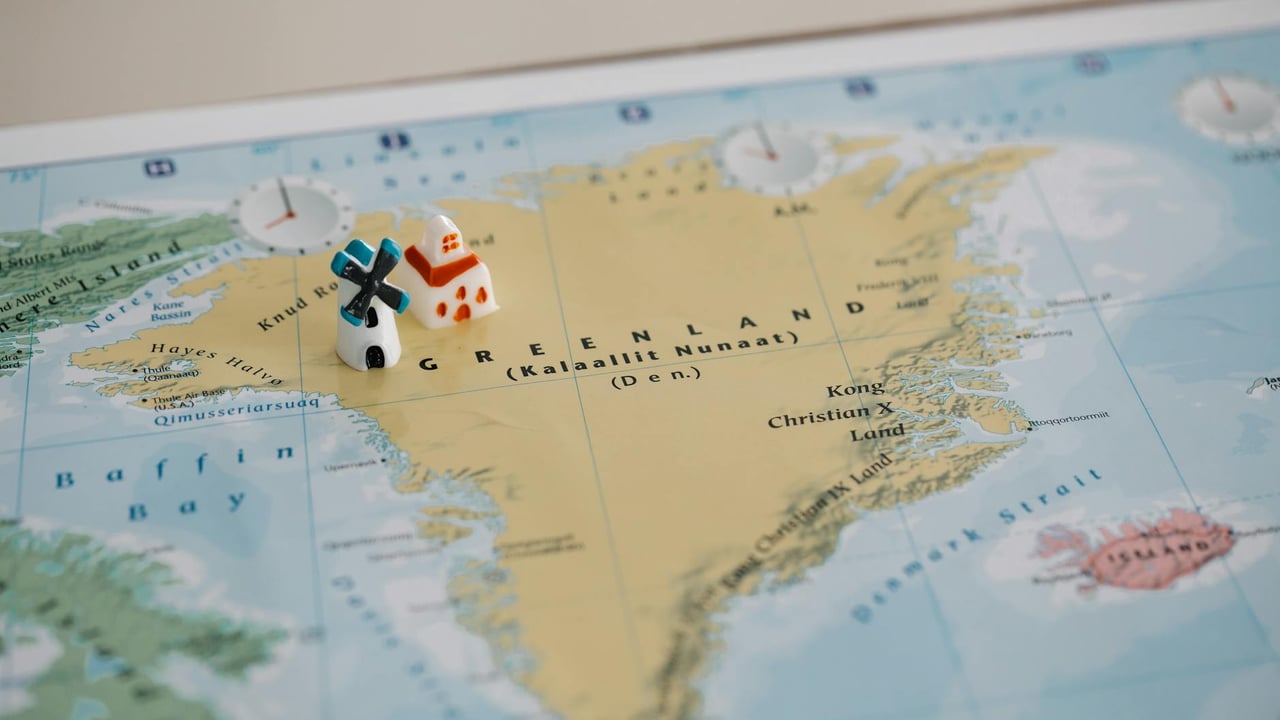

A hush has settled over Kangerlussuaq, a small Greenlandic town that sits astride the island's southern lifeline to the Arctic, but not because of winter. On January 23 Denmark declared a temporary military zone there, barring unauthorised access, and the town that links Greenland's settlements to its interior has become a node in a new NATO-led exercise called "Arctic Endurance." What once was a Danish outpost is now populated by a rotation of allied ships, aircraft and personnel from Norway, Sweden, France, Germany, the United Kingdom, the Netherlands and Finland.
Local residents say the presence of multinational forces is unsettling, and U.S. political rhetoric about Greenland has amplified their anxiety. "You can see some warships and Danish aircraft — if the U.S. were really to move militarily that would be absurd," said Jan Ingevald Olsvold, a Kangerlussuaq resident, capturing a sentiment echoed by others who worry about being treated as an object of great-power competition rather than as a polity with rights. In Nuuk, Pipaluk Linn, who handles foreign and security affairs for Greenland's Inuit Party, stressed willingness to cooperate on security but drew a firm red line: respect Greenland's sovereignty and do not treat it like a prize to be seized.
The deployment and accompanying drills reflect two connected trends: NATO's renewed focus on its northern flank and the broader geostrategic salience of the Arctic. Greenland hosts airfields and early-warning sites whose value has always exceeded the island's small population. Melting ice is making Arctic sea routes and resources more accessible, increasing the strategic premium on geography that was once remote and marginal. For Denmark and its allies, exercises in Kangerlussuaq are both a practical rehearsal and a signal of collective deterrence.
Yet the optics are awkward. The exercise is a show of allied cohesion rather than a unilateral U.S. move, but recent public suggestions by some U.S. figures that America should assert control over Greenland — echoing a contentious 2019 episode — have left many islanders mistrustful. Protest activity and public unease are small now, but they point to a deeper political fault line: Greenlanders want security cooperation but not disenfranchisement. That distinction matters because the island is an autonomous territory within the Kingdom of Denmark, and any perception that outside powers might disregard that status risks eroding the fragile consent that underpins defence arrangements.
Beyond local anxieties, the Kangerlussuaq episode is a reminder that Arctic policy is no longer niche. It forces NATO members to balance deterrence against Russia and competition with other global powers while managing allied solidarity and host-nation sensitivities. If exercises calm rather than inflame, they will strengthen the defence chain across the High North. If they are accompanied by abrasive rhetoric or perceived disregard for local autonomy, they could feed resentment, complicate cooperation, and provide ammunition to those who argue that Arctic militarisation offers few benefits to residents of the region.