
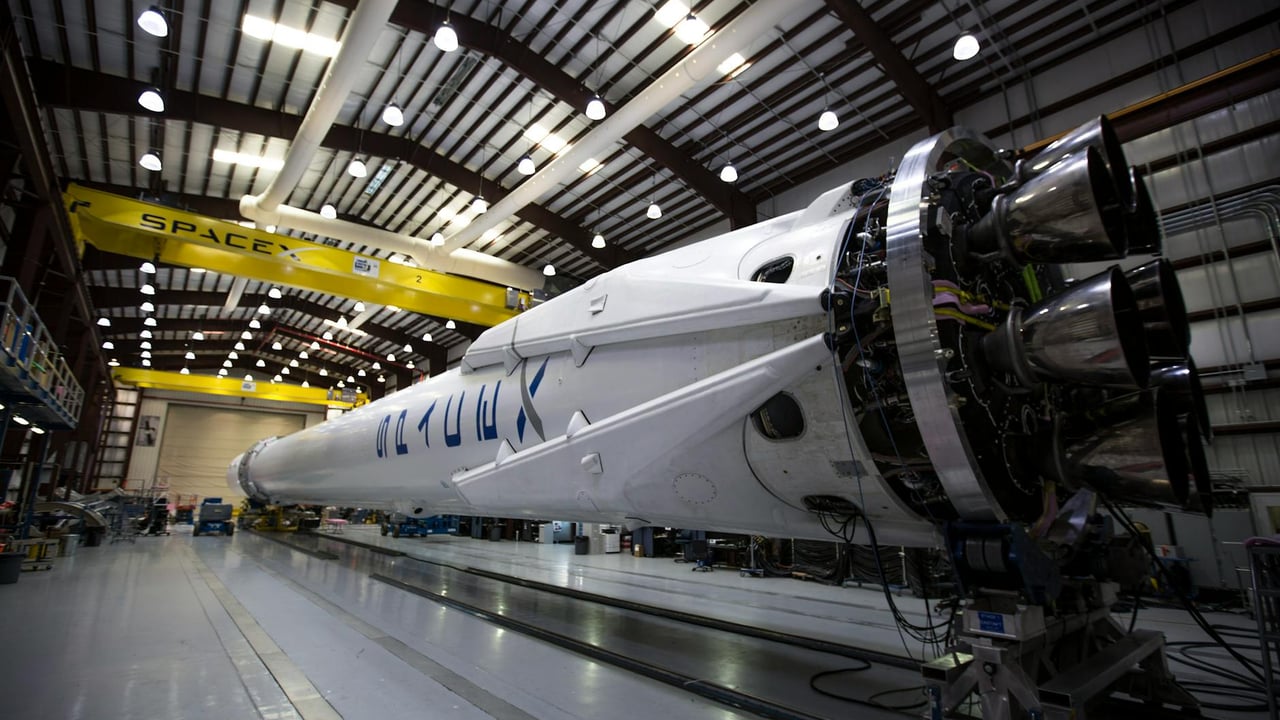

A U.S. Crew Dragon spacecraft has flown a fresh group of astronauts to the International Space Station, marking another on‑time rotation under NASA’s commercial crew programme. The mission reinforces a steady cadence of crewed flights to low‑Earth orbit provided by private launch services, a capability the United States rebuilt after the retirement of the Space Shuttle.
The flight demonstrates the operational maturity of the commercial partnership model in human spaceflight. Since Crew Dragon began ferrying astronauts in 2020, SpaceX has carried multiple operational and crew‑rotation missions for NASA, reducing reliance on foreign vehicles for crew access and enabling more predictable scheduling for science and maintenance aboard the station.
Beyond the technical success, the mission matters for strategy and diplomacy. The sustained U.S. presence on the ISS — enabled increasingly by commercial contractors — remains a visible pillar of American leadership in civilian space cooperation. That leadership shapes who sets standards in orbit, who has access to station resources, and which actors can coordinate multinational research programmes.
At the same time, the flight arrives amid a changing orbital landscape. China’s Tiangong space station has matured into an alternative hub for experiments and international partnerships, while Russia’s cooperation with Western partners has grown more conditional. The U.S. model, which pairs government funding with private sector execution, is now testing how well it can support long‑term objectives such as commercialization of low‑Earth orbit and transition planning as ISS ages.
Industry dynamics are also on display. Regular Crew Dragon missions keep launch‑service providers busy, give private firms operational experience, and stimulate downstream markets for microgravity research, logistics and tourism. But they also concentrate capability in a small number of suppliers, raising questions about resiliency, competition and regulatory oversight as human access to space becomes more routine.
Finally, the success is both an engineering achievement and a reminder of looming challenges. The ISS is approaching the later stages of its service life, funding debates over its extension or replacement continue, and the risks inherent in crewed flight — from on‑orbit debris to launch anomalies — remain present. How NASA, commercial partners and international stakeholders manage safety, cost and cooperation will shape whether this era of commercial human spaceflight translates into a sustainable, inclusive orbit economy.