Street Rescue: Ex‑Soldier Uses Military First‑Aid to Calm a Panicked Girl

A retired serviceman used an improvised rebreathing technique with a plastic bag to calm a hyperventilating young woman on a late‑night street. The intervention relieved her symptoms within minutes, underscoring both the value of basic first‑aid training and the need for public guidance on safe emergency practices.

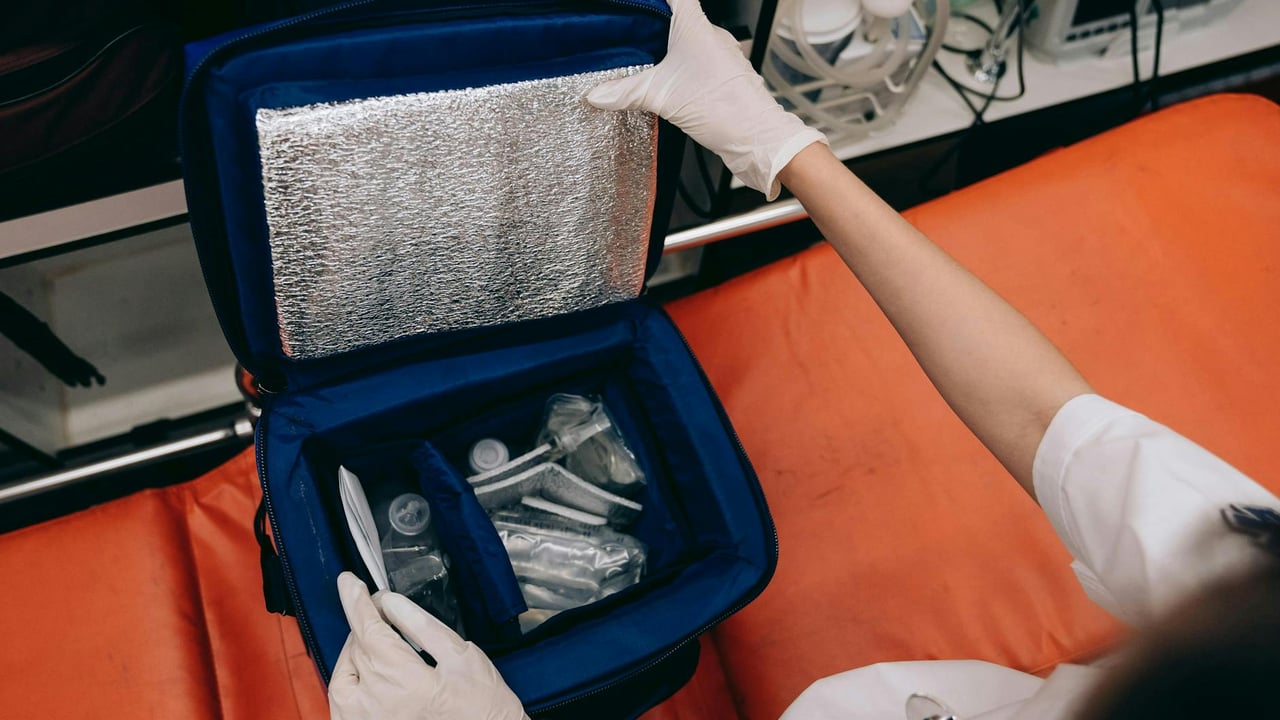
Paramedic utilizing an intubation kit with medical tools in an emergency setting.

Key Takeaways

  • 1A retired soldier identified a young woman’s episode as respiratory alkalosis from hyperventilation and used a plastic bag rebreathing technique to raise her CO2 levels.
  • 2The improvised intervention calmed the woman and relieved symptoms after a few minutes, with no further medical attention required at the scene.
  • 3Rebreathing can help in cases of hyperventilation but carries risks if misapplied or if the underlying cause is different; assessment and caution are essential.
  • 4The incident highlights the societal value of first‑aid skills among civilians—particularly veterans—and suggests a public‑health case for broader, standardised training.
  • 5Clear, accessible guidance on safe bystander interventions could reduce harm and improve outcomes in common urban emergencies.

Editor's
Desk

Strategic Analysis

This episode illustrates a recurring policy and social theme: trained individuals embedded in communities—often veterans—can provide valuable first response that bridges the minutes before emergency services arrive. China’s large veteran population, many of whom receive disciplined medical and emergency training, represents an underused resource for community resilience. Encouraging, certifying and integrating civilian first‑aid capability would amplify these benefits, but must be paired with standardised instruction to avoid risky improvisations. Public authorities should therefore prioritise scalable first‑aid education, emphasise clear protocols for common conditions like hyperventilation, and consider outreach programmes that engage veterans as instructors, thereby both improving public safety and supporting veteran reintegration.

China Daily Brief Editorial
Strategic Insight
China Daily Brief

Just after midnight on a quiet street, a retired serviceman noticed a young woman in obvious distress. She was gasping and agitated; drawing on military training and past experience, he judged the episode to be respiratory alkalosis caused by hyperventilation and moved to help.

He dashed to a nearby convenience store, retrieved a plastic bag and, with the assistance of the girl’s friend, gently placed it over her head while leaving space around the neck for air. The improvised rebreathing technique raises carbon dioxide levels in the lungs and can help restore the blood gas balance that is disturbed during acute hyperventilation.

After several minutes of calm, the woman’s breathing slowed and her symptoms abated. Satisfied she no longer needed immediate care, the veteran quietly offered reassurance, declined further attention and went home. He later identified himself as Gao Ge and said he felt proud his military training had allowed him to act decisively.

The episode is small in scale but revealing. Hyperventilation-induced respiratory alkalosis is often triggered by panic or acute stress; prompt, simple measures that reduce breathing rate and increase inhaled carbon dioxide can break the cycle. At the same time, improvised rebreathing methods are not universally safe: they must be applied with the right assessment, technique and caution to avoid masking other dangerous conditions such as asthma, cardiac events or airway obstruction.

Beyond the immediate medical outcome, the incident speaks to the role of trained civilians in urban safety. Veterans and first responders who retain procedural skills can provide rapid, confidence‑building assistance before professional medical services arrive. Their readiness can reduce harm in everyday emergencies and augment formal emergency-response systems.

The case also highlights a public‑health opportunity: wider dissemination of basic first‑aid training and clear, accessible guidance on how to manage common emergencies would reduce bystander uncertainty and risk. Simple courses that teach recognition of hyperventilation versus other acute respiratory problems—and safe interventions that prioritise assessment and calling emergency services—could turn isolated acts of courage into routine, safer responses.

Share Article

Related Articles

📰
No related articles found