
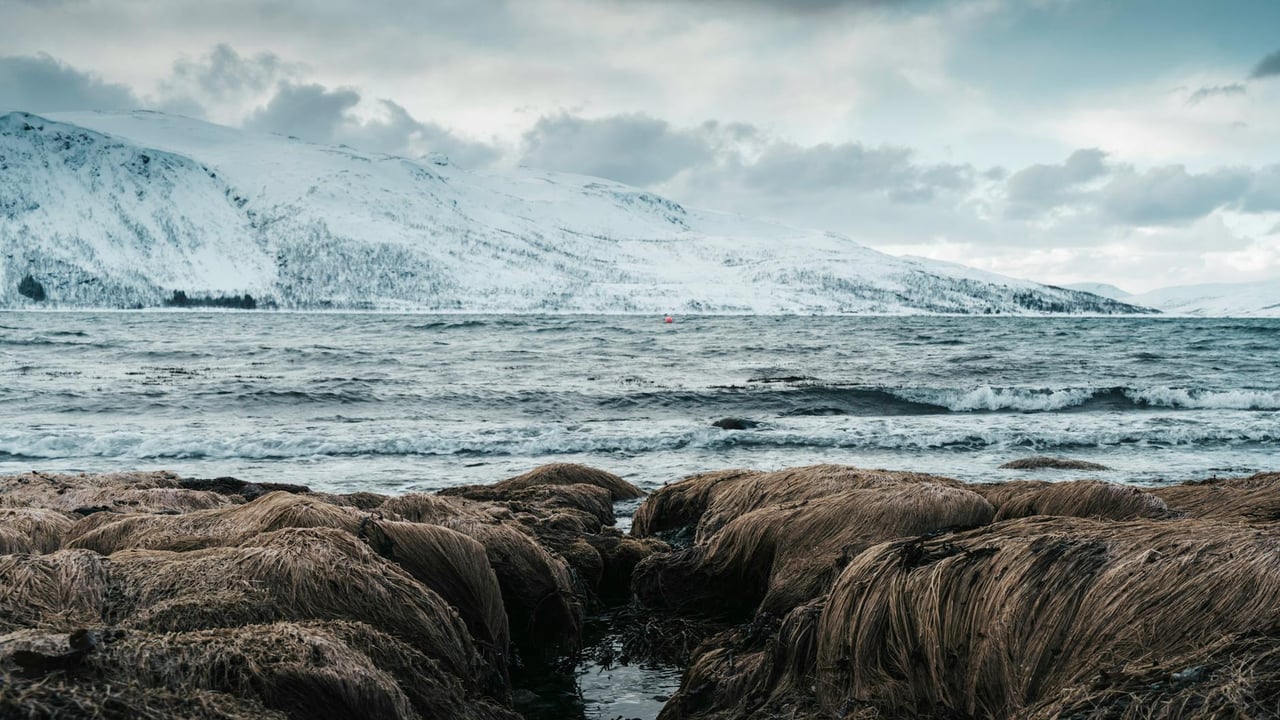

NATO announced on 11 February the launch of a new multi-domain operation, code-named “Arctic Sentinel,” to strengthen allied presence across the Arctic and the so‑called High North. The statement from Allied Command Operations in Mons said military planners have used preparatory work for the operation to map allied activity across the region and will now synchronize NATO actions to sustain and expand those activities.
The operation is being led by Joint Force Command Norfolk in Virginia, reflecting a recent decision to redraw NATO operational boundaries so that all Nordic countries now fall under a single chain of command. NATO officials have framed the move as an effort to improve coordination, situational awareness and the ability to conduct combined operations across maritime, air, land and cyber domains in the northern theatre.
Arctic Sentinel comes amid a broader strategic reorientation toward the High North. Melting ice has opened new shipping routes and resource opportunities, prompting greater military activity by Arctic states — most visibly Russia, which has rebuilt bases and deployed new capabilities in the region — and growing interest from non‑Arctic powers. NATO’s initiative is presented as assurance for northern allies and as a hedging measure against an increasingly contested operating environment.
The decision to vest operational leadership in Norfolk carries political as well as military significance. It underscores the United States’ continuing role in shaping NATO posture in remote theatres and signals an effort to avoid fragmented command arrangements among members with different Arctic responsibilities. Xinhua’s article also recalled earlier tensions over Greenland, noting that NATO’s planning for the operation followed a period of strained relations between the United States and some allies when U.S. political leaders previously raised the island’s geopolitical importance.
Operationalizing a sustained NATO presence in the High North will present practical hurdles. Harsh weather, sparse infrastructure and the logistical demands of multi‑domain operations complicate deployments and sustainment, while host‑nation sensitivities, indigenous communities and environmental considerations will shape where and how allied forces operate. The move will also test the alliance’s ability to balance deterrence with the diplomatic work required to keep Arctic governance forums such as the Arctic Council focused on cooperation.
For international audiences, Arctic Sentinel signals that the High North has become a mainstream theatre of allied defence planning rather than a peripheral concern. Expect increased patrols, exercises and intelligence sharing among NATO members in the coming years, and closer attention from competitors such as Moscow and Beijing as the alliance seeks to normalize a persistent military posture in the Arctic.