
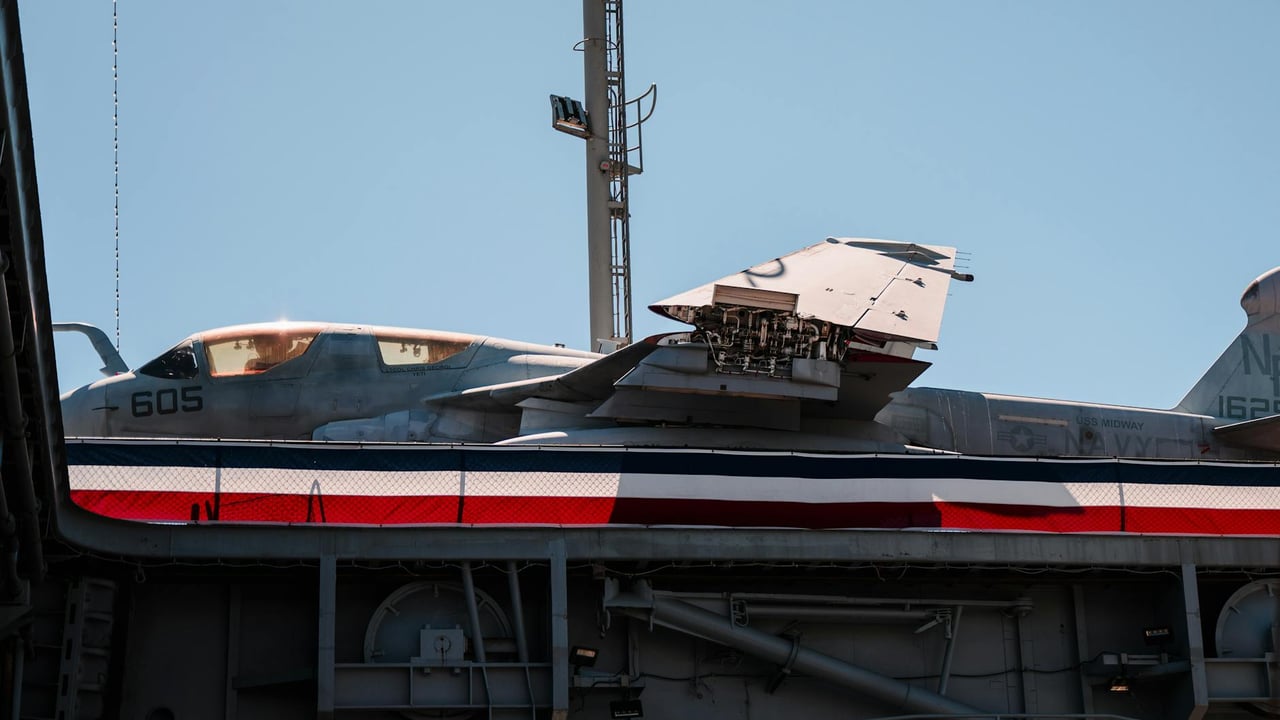

Donald Trump announced that the United States will send a second aircraft carrier to the Middle East, a public confirmation of an escalated U.S. naval posture in a region already marked by heightened tensions. The move underlines Washington’s intent to demonstrate military resolve and reassure partners, while also increasing the operational tempo of U.S. forces in a volatile theatre.
A second carrier strike group multiplies the capabilities available for air operations, surveillance, and strike options, and it is among the most visible instruments of American power projection. Carrier deployments are intended as both deterrent and reassurance: they signal to adversaries that strikes or interference with shipping and regional allies will be met with credible force, while offering partners rapid-response capacity for crisis management and maritime security tasks.
The decision follows a period of recurring security incidents in and around the Gulf, including attacks on commercial shipping, strikes on military assets, and confrontations between state and non-state actors. Against this background, Washington’s reinforcement of naval assets seeks to shape the operational environment, protect sea lines of communication, and complicate adversaries’ calculations without committing ground forces.
But adding a second carrier increases the risk of miscalculation. Carrier strike groups operate in crowded maritime spaces alongside regional navies, militias and commercial traffic, and tense encounters can escalate quickly. The political calculus in Washington also matters: public declarations of force can be aimed as much at domestic audiences and allied reassurance as at deterring enemies, and they narrow the policy options available to civilian leaders once assets are in theatre.
For China and other external actors, a larger U.S. naval presence complicates diplomatic and economic calculations. Energy markets are sensitive to perceptions of risk in the Gulf; insurers and freight operators factor in military movements when pricing routes. Beijing will likely urge restraint while continuing to protect its own shipping and diplomatic channels, seeking to avoid becoming entangled in a confrontation that would disrupt trade and regional stability.
In coming days observers will watch the composition and routes of the carrier groups, statements from regional capitals and Tehran’s proxies, and any naval or aerial incidents that test the boundaries of the reinforced U.S. posture. The deployment is a clear bluff-and-backstop strategy: it raises the cost of adversarial action but carries with it the danger of prompting countermeasures and a longer-term security entrenchment in the Middle East.