
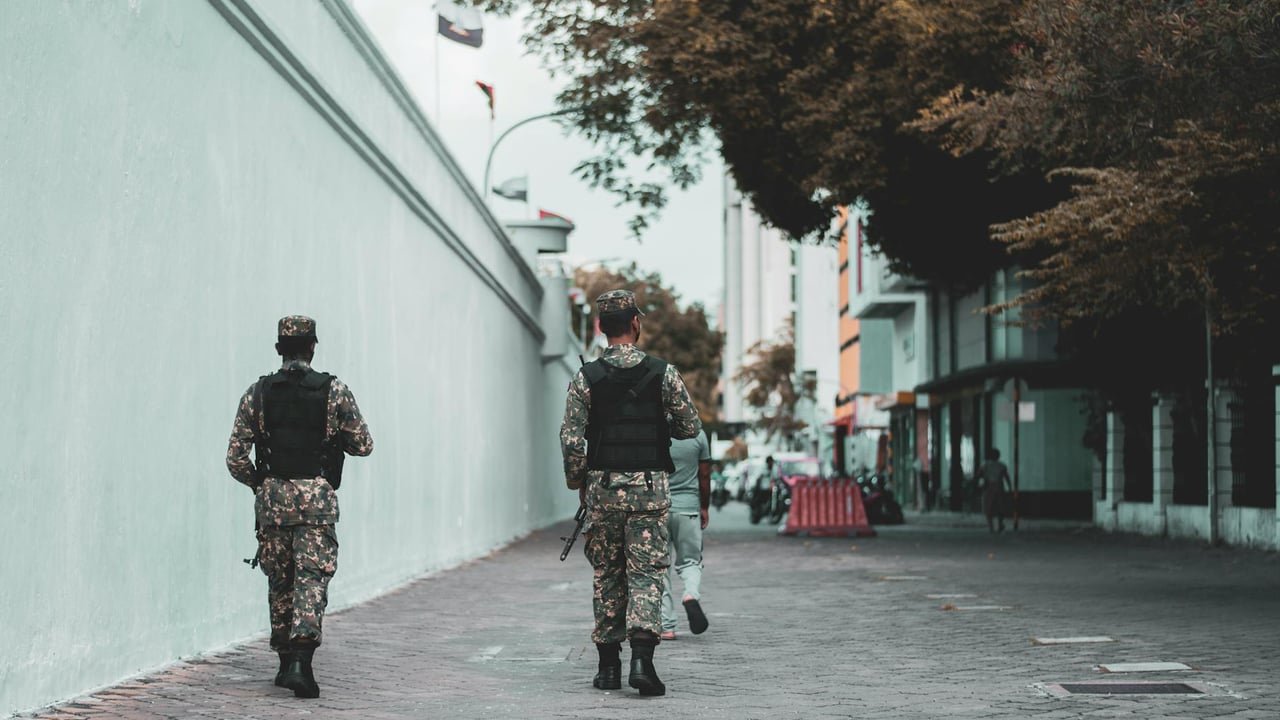

On February 11 in Beirut, China’s 24th UN peacekeeping rotation staged a three‑hour “Tiger” exercise inside its base within the United Nations Interim Force in Lebanon (UNIFIL). The drill simulated the rapid evacuation of UN employees and civilians into the Chinese camp, exercising early warning, command-and-control, reception, medical screening and psychological support under tightly choreographed conditions.
Representatives from 11 subunits — including operations, security, training, communications and liaison teams — rehearsed procedures from pre-alert to reception. Units practiced coordinated tasks: an evacuation team escorted “threatened” employees and families to the camp; an information unit liaised with the Chinese embassy, UNIFIL security and nearby villages to build situational awareness; guards manned defensive positions while reception teams set up muster points, medical checkpoints and temporary parking areas.
The scenario emphasised whole-of-base responsibilities. Command staff ran the exercise from a joint operations centre, while observers inspected shelter layout, protective works, and emergency medical and mental‑health arrangements. Organisers said the core aim was to test whether UN staff and local residents could be evacuated in batches to the Chinese camp during a sudden, large‑scale outbreak of violence and to verify the camp’s capacity to provide security and care.
For international readers, the drill is notable for what it signals as much as for what it rehearses. UNIFIL has been a fixture in southern Lebanon since 1978 and the security situation along the Israel–Lebanon frontier remains volatile; the exercise demonstrates Beijing’s intent to be a reliable, operationally capable partner in UN peace operations rather than simply a financial backer or diplomatic voice.
China has become one of the largest troop contributors among permanent members of the UN Security Council and has steadily professionalised its expeditionary logistics, communications and civil‑military coordination. Exercises like “Tiger” serve multiple purposes: they hone practical evacuation and humanitarian assistance skills, reassure the UN and local communities of China’s on‑the‑ground competence, and furnish Beijing with concrete examples of its troops’ non‑combat roles abroad.
At the same time, the drill underlines dilemmas Beijing may face as its peacekeeping commitments grow. Protecting UN staff and civilians in fragmented, asymmetric conflicts requires sustained local intelligence, tight coordination with other international contingents and, occasionally, politically fraught decisions about the use of force. Such responsibilities increase expectations — from the UN, host states and local communities — that China will accept a more visible role in managing regional instability.
The exercise was also clearly a public‑diplomatic demonstration. Imagery of “blue helmet” troops conducting orderly evacuations and providing medical and psychological care dovetails with Chinese messaging at home and abroad about responsible global leadership. For UNIFIL and the wider international community, the key test will be whether such drills translate into routine, interoperable capability across national contingents and robust civilian protection during real crises.