Herzog Rebukes Trump’s Pardon Pressure — A Test of Israeli Institutions

President Isaac Herzog rebuked Donald Trump after the former U.S. president urged him to pardon Benjamin Netanyahu. Herzog’s retort underscored the independence of Israel’s presidential office and highlighted tensions between foreign political pressure and domestic legal procedures concerning Netanyahu’s long-running corruption trial.

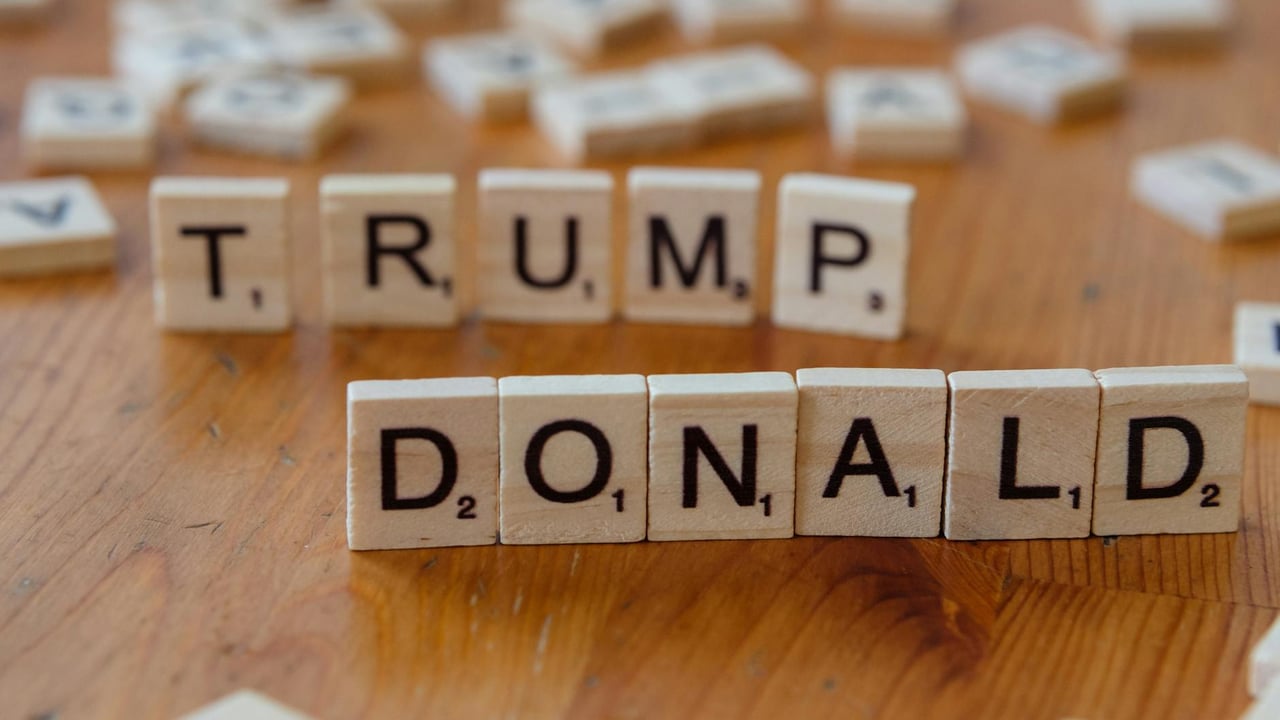
Close-up of Scrabble tiles spelling 'Donald Trump' on a wooden table.

Key Takeaways

  • 1Herzog publicly rejected Trump’s criticism that he should feel “ashamed” for not pardoning Netanyahu, saying “I am the president of Israel.”
  • 2Trump made the comments after meeting Netanyahu in Washington and pressed Herzog’s power to issue a pardon.
  • 3Israeli presidential pardons follow a Justice Ministry review and are meant to be free from external pressure.
  • 4Netanyahu has been on trial since 2020 on bribery, fraud and breach of trust charges and faces substantial potential prison terms if convicted.
  • 5The confrontation highlights risks to institutional norms as foreign political actors weigh in on sensitive domestic legal matters.

Editor's
Desk

Strategic Analysis

Herzog’s blunt public rebuttal is significant beyond the moment’s theatricality: it is a defensive act by an office that is largely ceremonial but symbolically key to the rule of law. Trump’s intervention, unsurprising given his political affinity with Netanyahu and habit of personalising politics, nevertheless tests Israeli resilience to external influence. A presidential pardon at this juncture would not only reshape Netanyahu’s legal future but would deepen domestic polarization and could provoke legal and popular pushback, further destabilising a government already fragile from coalition divisions. For international observers, the episode is a reminder that personal diplomacy by powerful outsiders can have outsized effects on smaller democracies’ institutions; the immediate variable to watch is whether Israel’s Justice Ministry will conclude its review without political interference and how Herzog navigates the domestic fallout.

China Daily Brief Editorial
Strategic Insight
China Daily Brief

On Feb. 12, returning from a four-day visit to Australia, Israeli President Isaac Herzog publicly pushed back against a rare intervention by former U.S. President Donald Trump into Israel's legal affairs. When asked about Trump’s criticism that Herzog should feel “ashamed” for not pardoning Prime Minister Benjamin Netanyahu, Herzog replied curtly: “As far as I know, I am the president of Israel.”

Trump had made the comments a day after meeting Netanyahu at the White House, saying the Israeli president “has the power… to issue a pardon and he didn’t do it,” and suggesting Herzog was reluctant because he would lose power. Herzog’s on-the-spot retort, delivered to reporters on the plane home, sought to reassert the institutional role of Israel’s presidency at a moment of heightened political pressure.

The exchange matters because it folds international personalities into a highly sensitive domestic legal process. Netanyahu, first indicted while serving as prime minister in 2020 on charges of bribery, fraud and breach of public trust, faces potential sentences that include up to a decade in prison on the most serious counts. Under Israeli practice, the president can grant clemency only after the Justice Ministry completes its review and the office acts independently of external pressures.

The incident underscores wider strains in Israeli politics: a polarised electorate, a prime minister whose legal troubles intersect with coalition survival, and external allies ready to lobby on his behalf. It also raises questions about the limits of presidential authority in Israel, the politicisation of clemency, and the extent to which foreign leaders — especially one as polarising as Trump — can influence perceptions of domestic legal decisions.

Share Article

Related Articles

📰
No related articles found