
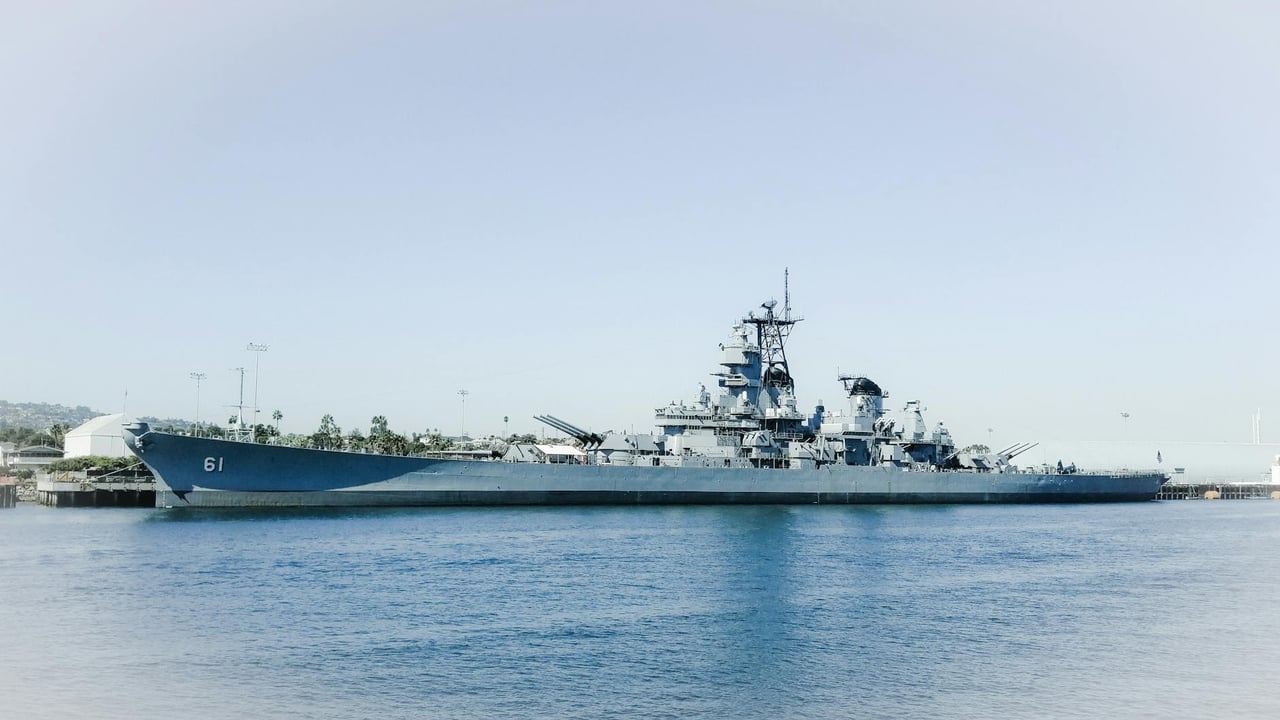

The United States is dispatching a second aircraft carrier strike group to the Middle East while preparing for a fresh round of talks with Iran in Geneva, underscoring a strategy that blends military pressure with last‑ditch diplomacy. U.S. officials say the USS Gerald R. Ford and its escorts — currently deployed in the Caribbean — will take at least a week to arrive near Iran, creating time and space for a diplomatic window even as Washington hardens its posture.
President Donald Trump publicly framed the deployment as leverage: he confirmed the move as a means of pressuring Tehran to reach an agreement and said U.S. carriers would withdraw quickly if diplomacy succeeds. At the same time, his rhetoric has grown strident. On visits to U.S. military bases he has warned of the possibility of military action, argued that making adversaries fearful is sometimes necessary, and even spoke of regime change as a desirable outcome.
The arrival of the Ford will reconstitute a rare "two‑carrier" posture in the region — a signal of both intent and capability. U.S. officials describe a plan that, should hostilities commence, would be broader and more complex than last year’s limited strikes, potentially targeting Iranian government and security infrastructure and preparing for an extended campaign. Iranian commanders have warned the Islamic Revolutionary Guard Corps would retaliate, including strikes on U.S. bases across the Middle East.
Diplomatically, a U.S. delegation led by presidential envoys Witkoff and Jared Kushner is due in Geneva on February 17 for indirect talks with Iranian representatives, with Oman continuing to act as intermediary. The two sides remain far apart: Washington’s demands include three core prohibitions on Iran’s nuclear activities — no manufacture of nuclear weapons, no uranium enrichment, and no possession of enriched uranium — as well as limits on ballistic missiles and support for regional proxies. Tehran insists it will not negotiate away its missile or defensive capabilities and maintains it does not seek nuclear weapons while preserving the right to peaceful nuclear energy.
The juxtaposition of a reinforcing naval presence and scheduled diplomacy highlights a classic coercive‑diplomacy model: use credible military threat to extract concessions at the negotiating table. Yet practical constraints matter. The Ford’s several‑day transit tempers the immediacy of U.S. military pressure, and Iran’s public intransigence on missiles and defense provides it domestic political room to resist concessions.
The coming days will test whether Washington’s mix of pressure and talks can bridge divergent red lines or whether escalation dynamics — miscalculation, retaliatory strikes by proxies, or a hardening of positions in Tehran and Washington — will overtake diplomacy. Oman’s mediating role and the neutral setting of Geneva provide channels for de‑escalation, but the presence of a second carrier makes clear that the U.S. is preparing for outcomes beyond a negotiated settlement.