
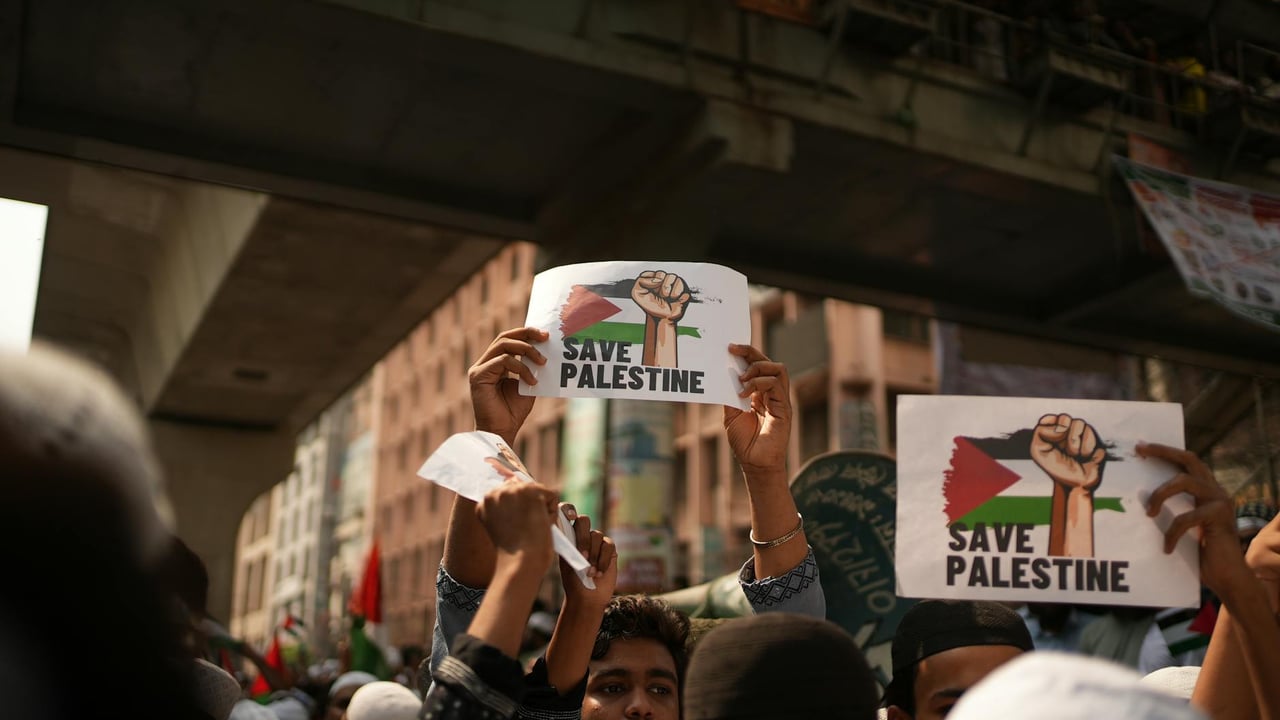

The Palestinian presidency and Hamas issued sharp condemnations after the Israeli government approved a proposal to restart land-registration procedures in the West Bank that would convert swathes of territory into so-called 'state property'. Palestinian officials described the decision as a formal commencement of an annexation project, arguing that reclassifying land is a legal instrument for consolidating settlements and altering facts on the ground.
Both the presidential office and Hamas framed the measure as a breach of existing agreements and an open violation of United Nations resolutions, notably Security Council Resolution 2334, which declared Israeli settlement activity in the occupied Palestinian territories illegal. The Palestinian statements warned the move threatens regional security and stability, called the decision a flagrant disregard for international law, and urged immediate international intervention to halt the process.
Hamas echoed the presidency’s language but added a sharper rhetorical turn, calling the registration decision an attempt to 'steal and Judaise' occupied land and asserting that the measure is legally null because it was enacted by 'illegal occupation authorities'. Both Palestinian actors called on the United Nations and other international actors to assume legal and political responsibility to stop what they called an accelerating process of dispossession.
Seen through a broader lens, land-registration rules are an administrative tool that can have profound political effects. Converting land to ‘state’ status typically removes barriers to settlement expansion and can be used to retroactively legitimise outposts or allocate territory to Israeli state institutions. For Palestinians and many international actors, this is not merely bureaucratic housekeeping but a manoeuvre with the practical effect of entrenching a territorial reality incompatible with the prospect of a contiguous, sovereign Palestinian state.
The decision raises immediate diplomatic and security questions. International condemnation and potential legal actions at institutions such as the International Criminal Court are likely to re-emerge as options on the Palestinian side, while Israeli domestic politics and settler mobilization may harden support for the move. Absent decisive external pressure, the action risks further eroding the already fragile framework for a negotiated settlement and increasing the likelihood of localized violence and wider regional fallout.