
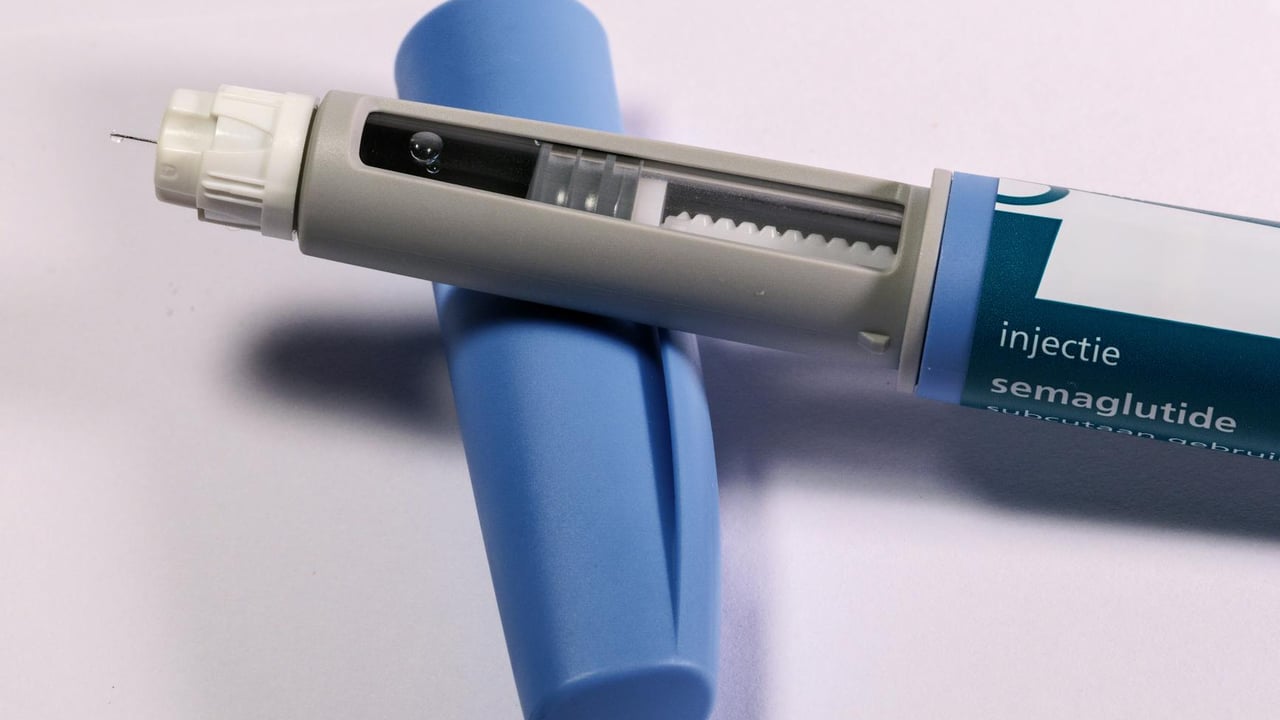

Shiyao Group (石药集团) has secured approval from the US Food and Drug Administration to begin clinical trials in the United States of a long‑acting peptide injection that targets both GLP‑1 and GIP receptors. The company disclosed the clearance in a filing to the Hong Kong Stock Exchange; the trial is intended to evaluate the treatment for weight management in adults with obesity or overweight plus at least one weight‑related comorbidity.
The therapy belongs to an emerging class of dual‑agonist incretin medicines designed to deliver stronger weight loss and metabolic benefits than single‑target GLP‑1 drugs. Over the past decade GLP‑1 receptor agonists have transformed diabetes care and, increasingly, obesity management. Combining GLP‑1 and GIP activity is widely seen as the next clinical frontier because it can amplify appetite suppression and glycaemic control while potentially modulating tolerability.
FDA clearance to start US trials is an early but meaningful milestone: it permits Shiyao to initiate an investigational new drug programme on American soil, where regulatory scrutiny, trial standards and market access are globally influential. This is not marketing approval. The company will still need to move through phase‑by‑phase testing to demonstrate safety, efficacy and consistent manufacturing before seeking any licensing for commercial use in the United States or elsewhere.
For Chinese pharmaceutical companies, running trials in the US serves several strategic purposes. It strengthens scientific credibility, gives access to diverse patient populations and can smooth the path to partnerships or licensing with multinational drugmakers. It also tests whether a domestically developed biologic can survive the twin challenges of rigorous Western regulation and an increasingly crowded obesity‑drug market dominated by established players.
The practical hurdles remain substantial. Peptide medicines require complex manufacturing and cold‑chain logistics, and incretin drugs can provoke gastrointestinal side effects that dent real‑world adherence. On the commercial side, prices, reimbursement decisions and competition from incumbents will shape viability even if clinical results are positive. Still, a successful US trial would mark a conspicuous step in China’s bid to move its drug industry from cost‑competitive manufacturing to original, globally competitive therapeutic innovation.